Merry-Go-Round

Photo prompt © Jean L. Hays


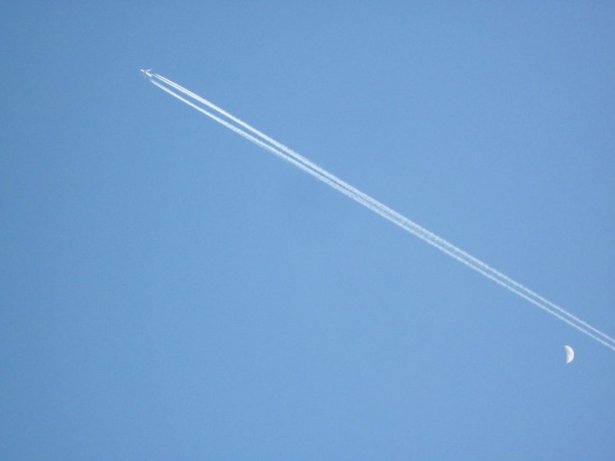
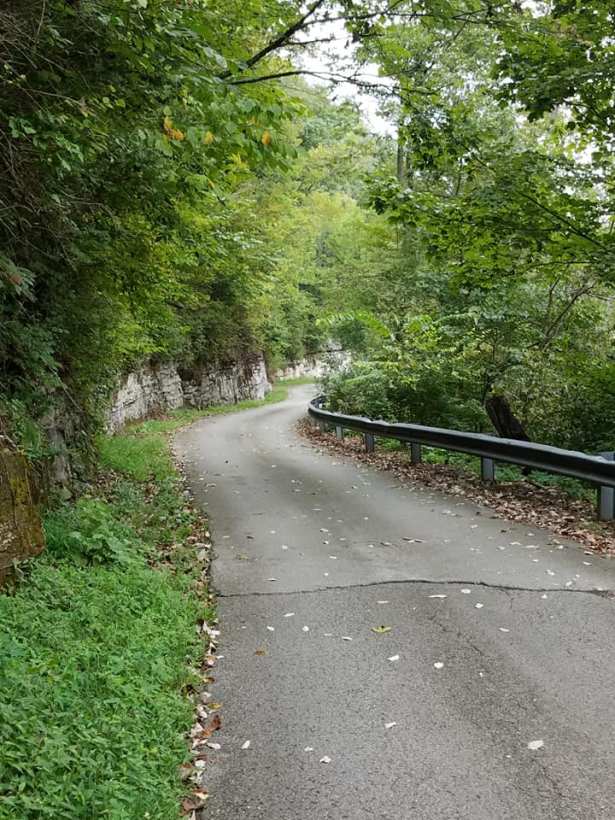
“Used to be a zoo,” Ol’ Joe stuffed his cheek full of chewing tobacco. No frowning from Mama could make him give it up.

I gazed at the empty parking lot. We kept the market open by sheer willpower and another mortgage.

Mama often argued it was money down the drain, but Pops would shake his head. “History is a merry-go-round, Penny. It’ll come back. We just have to hang in there a little longer.”

Then the two of them would look at Ol’ Joe, and I knew: closing the business would kill him. Grandpop’s life was tied into Route 66.


For Rochelle’s Friday Fictioneers


Layer By Layer

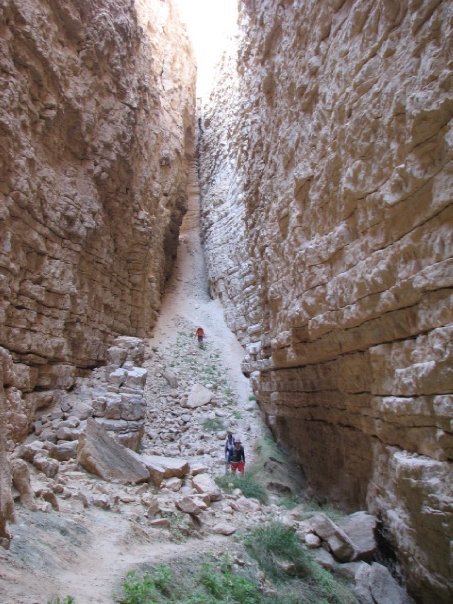
layered trek OsnatHalperinBarlev

Photo: Osnat Halperin-Barlev


Layer by layer

They go back

In time,

Descending through eras

They can carefully

Climb.

What whispers

What stories

Does the wadi

Impart?

Will their souls see

The footprints

These rocks know

By heart?


For the Tuesday Photo Challenge: Layer


The Perfect Shoes

20190224Photo Courtesy of Susan Spaulding


She came across them at the thrift store, squashed in a box along with moth-eaten scarves, a pair of slacks with holes that could tell many stories, two helplessly dented hats, and some fabric scraps.

She was about to lift a shoe to ask about the price when the proprietor glanced in her direction. “Those are by the box,” he drawled. “Take it or leave it. No picking.”

“How much?” She swished her hand inside the box and shrugged, worrying he’d overcharge her if he detected interest.

“Thirty.”

Her eyebrows hiked up on their own accord. The shoes alone were worth ten times as much.

“Twenty, final offer,” he misinterpreted her gesture.

She gazed into nearby containers till her thrumming heart settled down and she could pour something less jello-like into her legs.

“I’ll take it.”

She carried the box to the car fully expecting to hear the shopkeeper’s voice calling her back to point out a mistake. No call came.

Finally at home, she rescued the shoes, stuffed them with tissue-paper, and placed them reverently under Great-Great-Grandma’s bridal gown. Family lore was that she’d had big feet and had to wear men’s shoes. Those were a perfect match.


For Susan’s Sunday Photo Fiction


First Summit

himalayas-407_1920

Photo: Simon on Pixabay


He grew up in the shadow of Sagarmatha, where people’s moods shifted with Miyolangsangma’s and with the weather on the mountain foreigners insisted on calling “Everest.”

“Sagarmatha is her palace,” Dādā warned. “The uninvited should not trespass into the realm of the Goddess of Inexhaustible Giving. She turns many back. Some die.”

Most in the village agreed, and still they sent men to guide foreigners to the summit. Faith did not pay for necessities, while the visitors, eager if unequipped for the altitude and Miyolangsangma’s moods, paid well. Surely the Goddess understood.

“Foreigners are ignorant,” the old man argued. “But you know better than to show irreverence.”

He did know better. But Dādā needed medicine.

“I’ll stop by Rongbuk Monastery,” Garvesh proffered on the eve of his first ascent. “I will get the monks’ blessing.”

“It will not stop Karma,” his grandfather sighed. “Or what may be our last goodbye.”

∞ ∞ ∞

Trivia and Glossary:

  • Dādā — Grandfather in Nepali.
  • Sagarmatha — The Nepali name for Mount Everest. The Sherpa people believe that the mountain and its flanks are imbued with spiritual energy, and one should show reverence when passing through this sacred landscape, where the karmic effects of one’s actions are magnified.
  • Miyolangsangma — The “Goddess of Inexhaustible Giving” is a Tibetan Buddhist Goddess who Sherpa Buddhist Monks believe had lived at the top of the mountain.
  • Rongbuk Monastery — Also called the “sacred threshold to the mountain” is an important pilgrimage site for Sherpas who live on the slopes of Everest in the Khumbu region of Nepal.
  • Sherpa — One of the major ethnic groups native to the most mountainous regions of Nepal (as well as certain areas of China, Bhutan, India, and the Himalayas). The term sherpa or sherwa derives from the Sherpa language words Shar (“east”) and Wa (“people”), which refer to their geographical origin in Tibet.


For What Pegman Saw: Mount Everest, Nepal


The Critic

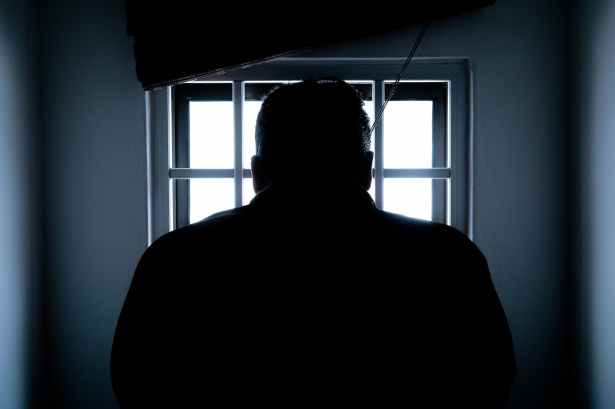
silhouette of a man in window

Photo by D. Tong on Pexels.com


It was his job to be the critic.

He’d taken it on when he was but a child and there was naught by chaos all around him.

Criticizing was a way to put some order into madness, to have at least the illusion of control.

Not that he’d criticize them openly and risk the switch or belt or backhand or the things that were … well … worse.

But criticize he did.

Mostly himself.

At first as practice.

Then as habit.

Then as something he would do without even a pause to think.

Offer a knifing critic.

Of his actions. Of his wishes. Of his hopes. His thoughts. His dreams.

What had began as coping, turned a prison.

And the jailer was inside him.

The sentencing, his own.


For the SoCS Saturday Challenge: Critic(al)


In A While

May flowers2 NaamaYehuda

Photo: Na’ama Yehuda


In a while

There will be all colors

Of the rainbow

And then some

More.


In a while

There will be radiant

Greens and sunny yellows

And all the different

Shades of

Purple

To show.


In a while

The monochrome of winter

Will make way for

Brightly colored

Spring

To make eyes and hearts

Glow.


For the Wits-End Weekly Photo Challenge: Bright Colors