Make Life Easier!

creativity

Practical fun! Two for one!

Life is complicated. Stuff gets in the way, falls off, gets tangled, goes missing, takes time and space and energy to organize. Thankfully, there are some very clever people who come up with supremely genius solutions to problems you maybe did not realize you even had, or that give you an ‘aha’ moment when the solution is presented.

Think you need to get a specialized gadget for every situation? Think again. Apparently you probably already have all you need, and some of it may be in your recycling bin even as you are reading, just waiting for salvation and a second chance…

Small ideas can make big sense once you see them.

Here are some simple, everyday things that can make you life simpler. Or at the very least, provide you with a smile (and smiles, as we all know, are super-efficient ways to make life instantly better!)

Simple solutions with everyday objects–click on the links below each photo to get even more ideas!

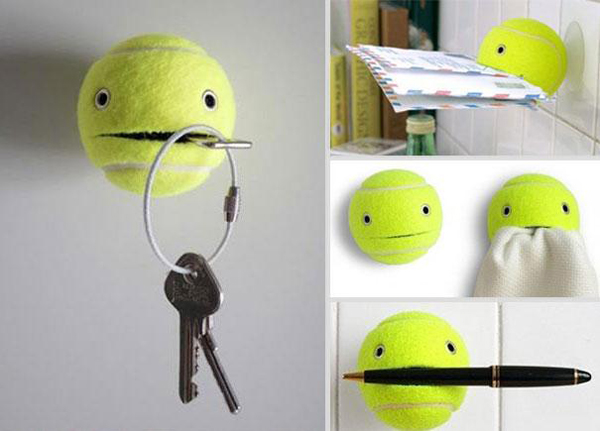
Let little Tennis serve you with a holding hand!

tennissolution

Want more ideas? Click here!


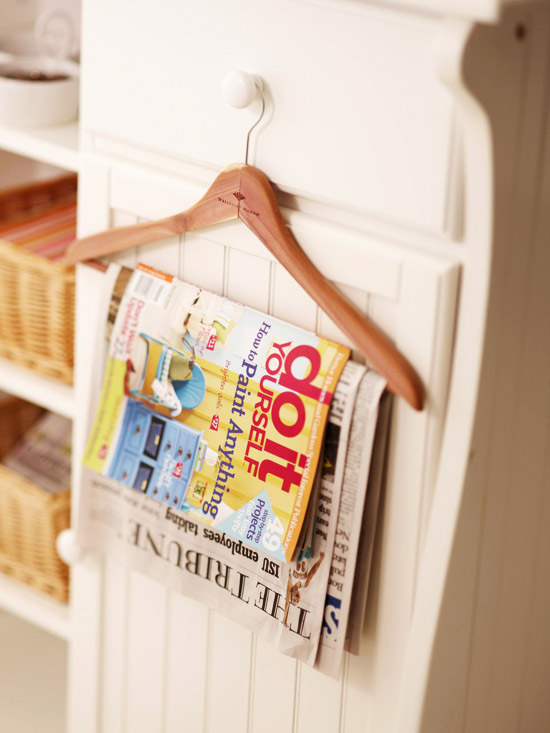
Hang on to your chosen reading material …

hangerholder

More where this came from? Click here!


Catch drill spills!

drill spill

Want more easy solutions to pesky problems? Click here!


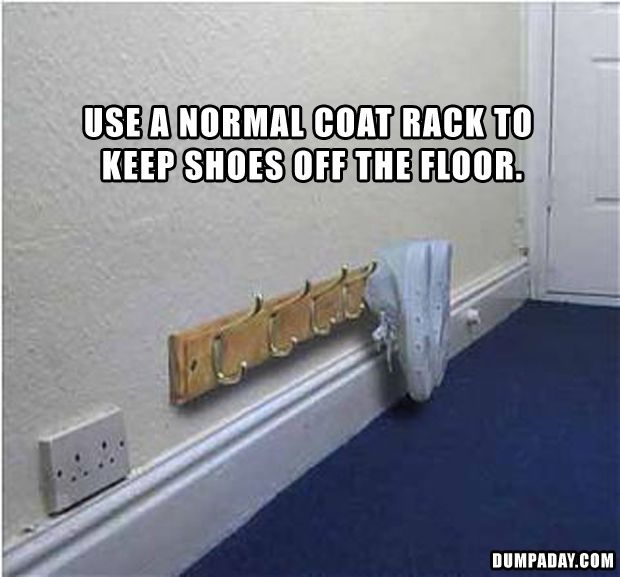
Give shoes a step up (and your floor a dirt-break)

shoes off

More fun solutions? Click here!

May your day be easy and your solutions multiply!

A Giraffe’s Goodbye

Sharing a lovely story that touched my heart and underscores tenderness and care.

We often underestimate the ability of animals–especially wild animals–to make connections and to express compassion. When they display affection, it can surprise us. Every time.

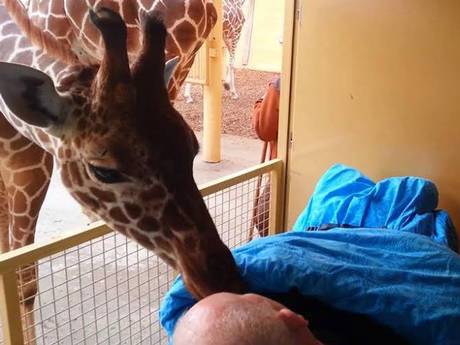
Empathy, connection, and memory of sensitive care are often associated with apes and elephants, dolphins and whales, even lions, but not very often with giraffes … Giraffes are more commonly known for their vicious kick than for their tenderness for humans … Though here they are, ‘kissing’ and nuzzling a terminally ill zoo worker who cared for them most of his adult life. They recognized him, and in their own way these lumbering and potentially deadly animals, came to say a gentle goodbye.

Giraffegoodbye1

Read the story at the Independent here!

Teaching Children Calm

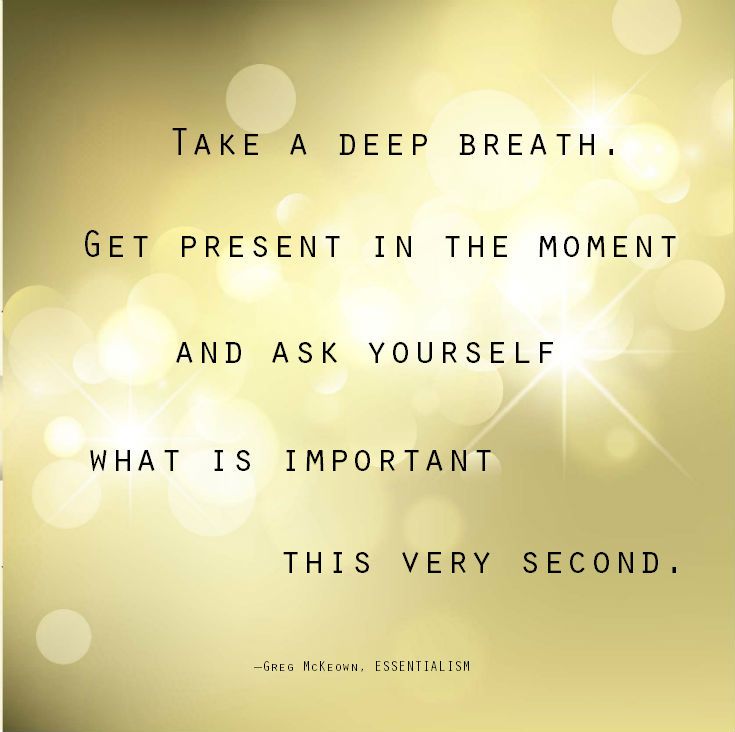
deep breath

“Calm down!” Sounds simple, but for many young children it is a foreign concept unless and until we show them how.  Especially if they had known more overwhelm than calm.

Young children who experience overwhelming events such as neglect, severe stress, abuse, chronic illness, or sudden separation at a young age can be traumatized. The world around them no longer–maybe never–feels safe. They don’t know how to regulate, how to calm themselves, how to manage when they get upset. They act out, they hit, they don’t listen, they ‘misbehave.’ They have a hard time making good decisions, explaining their actions, or utilizing memory. They fall behind at school, socially, in their ability to learn new things, communicate, or play.

Trauma changes the brain and can interfere with development. It also creates a vicious cycle of hyper-vigilance and checking-out that costs children opportunities for learning, interaction, and connection.

Children need adult support to manage traumatic aftermath. They cannot be expected to find the way without help. Many of them may need psychotherapy, but even then they need support in non-therapeutic interactions in the day to day. Support that we can all learn to provide by understanding trauma. By knowing what trauma is and how it works, recognizing what it does, how it affects children, and learning what we can do to help reduce its effects so a child get traction in the now.

In an excellent opinion article in the NYTimes this week: Teaching Children To Calm Themselves, David Bornstein details one such system of support set in place, and how it already works to change the lives of the children as well as of the adults who care for them: teachers, caregivers, siblings, even the school-bus drivers. http://opinionator.blogs.nytimes.com/2014/03/19/first-learn-how-to-calm-down/

Read it. Then share it with anyone who works with children. Or who has one.

Spread the word. Our children are worth it. Open the path to teaching calm.

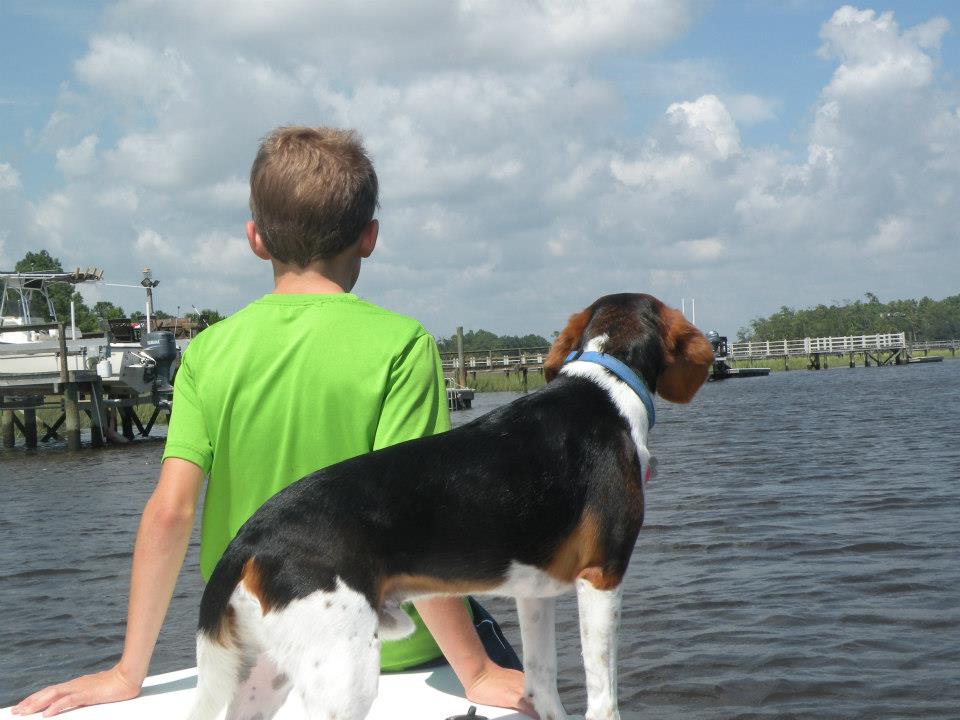
boy with dog

For more information about the impact of trauma on communication, check The Language of Trauma, and other publications here.

For more information about the Adverse Child Experiences Study, and the cost (literally and figuratively) of trauma throughout the lifespan, check: http://www.cdc.gov/ace/

For more information about how to help traumatized children at home and in the classroom, check the links to the ISSTD’s FAQ pages here.

Hello Spring!

It is spring!

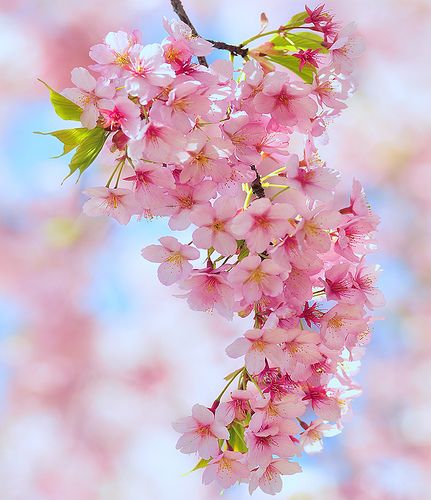
cherry blossom

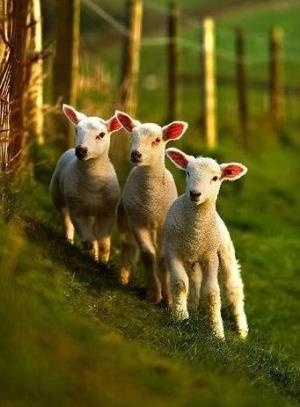
lambs

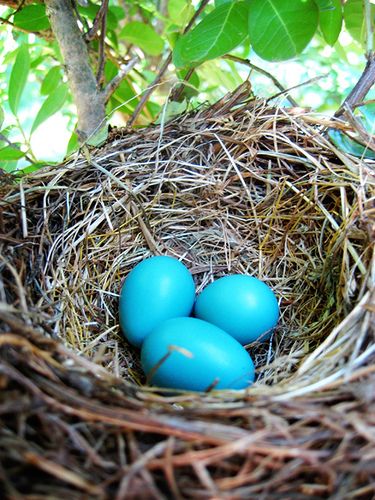
eggs

The birds sing, and people walk around with the odd and gladdened smile of no-more-winter, raising eyes to the blue sky.

It is Spring!

The forsythia will bloom, the cherry trees will blossom, little buds will poke their heads up from the ground without a sound to boom a verdant glow.

It is Spring!

Nests will fill with fuzz and wooing birds and new twigs splendor, and perfect eggs will follow, curling hatchlings deep in dreams of endless worms.

It is Spring!

Open windows. Open jackets. Green grass reappearing under browning frost and bits of winter’s snow.

It is Spring!

Lambs will bleat, ducklings waddle, kids will scamper ‘cross new meadows, as their mothers languid, follow, sated by the younglings’ joy.

It is Spring!

Can you feel it? There’s a buzz, a distinct glitter. Light has changed–now amplified–and not only by the angle of the sun finally resuming duty, back to glory, hastening beauty.

It is Spring!

Don’t worry if some gray dreary days will come and try to turn the tide. Spring would not abide–it has come now, and it will forge paths in frozen soil to melt remaining cold.

Time’s come.

Winter has grown old. Its shift has ended. Spring sprung. Let’s welcome it aboard!

hello spring

Baby Steps

Goals drive us forward. They also hold us back.

Goals often seem too big to get to. The great idea you had the other night feels suddenly less sparkly in the morning: there are far too many steps, it will require more time than you realized, need more attention than you believe you have, more energy than you find within you.

You feel overwhelmed. Discouraged. You get stuck.

Goals are posts along a journey. It truly is not the destination that matters, but the path you take to get there, what you learn along the way about yourself, about your possibilities, abilities, the things that limit you from stretching up and over into the incredible, the fears that keep you from reaching out.

Parents ask me about their children’s therapy: “Will he ever not need help?” they want to know. “Will people ever understand her when she speaks?” They worry how long it will take, how much effort, whether they can make it; can the child.

Children, too, talk about their process. “I am not good at this,” they say. “I don’t know how to write this reading response/this essay”, “I don’t know how to understand the story or how to have the words ready in my mouth when I raise my hand.” “Will I still have to see you next year?” they ask. “Do kids sometimes see you even when they are in high-school?” they inquire, wondering in part-worry, part-hope that I will answer in the affirmative: they worry that they can still be ‘different’ by then, and hope that if so, they will not be left on their own.

“We’ll get there,” I say. “One step at a time.” It is something most of us hear plenty, and not always helpfully, and I know it is often not what parents and children want to hear from me. However, it is Truth still … even if it stirs the place inside each one of us that wants to ‘get to’ where we’re going faster, that does not want to have to do the work, that wants destinations to arrive without the journey.

“Baby steps,” I recommend, knowing that this, too, is often hard to listen to. Who wants to take even smaller steps when the target seems so far away already? BIG steps will get me there oh so much faster! But baby-steps, too, are Truth. Careful, one-foot-then-the-other passage gets us there more surely than a hop-skip-pray-you’re-still-on-the-path would.

Baby-steps aren’t slow, really. They aren’t less-than other ways of making progress. Think of it: Babies take brave steps when they begin to walk. They walk and wobble, toddle and fall and rise and try again … and when they get their footing they walk almost constantly. They put little feet on every surface, tackle stairs, grass, sand, uneven ground. They hold on to hands, grab onto what is available. They crawl when there’s no balance to be found in standing. They climb on all fours. They find a way around. They stop and look for a path behind an obstacle and then surge forward in delight when they find it. Their steps get longer, surer, less a-wobble. They accelerate. They run.

“Baby steps,” I say. Remind. Consider.

It does not mean to do go slowly. It does not mean to take too long. It means to be determined, brave, consistently in focus and yet open to an opportunity to rest and play. It means looking ahead. It means seeing the immediate requiring some climbing over and assessing whether there’s someone tall to carry you awhile if you need a break or wish for a moment of better view …

It means getting there, and finding much to do along the pathway. It makes the journey part of what it takes, and worthy in of itself.

You start with baby-steps, yes. But along the way, you learn to walk. You find your pace. You learn to hop and skip and turn and twirl and run.

You’ll get there.

All you need to do is take step one.

off i go

Parenting of another Kind…

This is a beautiful story.

Not a new story, as those go, but still freshening and as heartwarming as the day it was first aired. It tells a story that is timeless. Of kindness. Of empathy and care.

It is a story of a regular man who did something quite extraordinary and by that touched the hearts of many along the route. Literally.

This won’t take long–not even three minutes, actually–but it will make your day.

Watch and smile.

http://www.youtube.com/embed/9hnbmml8fOY

How did THAT happen?

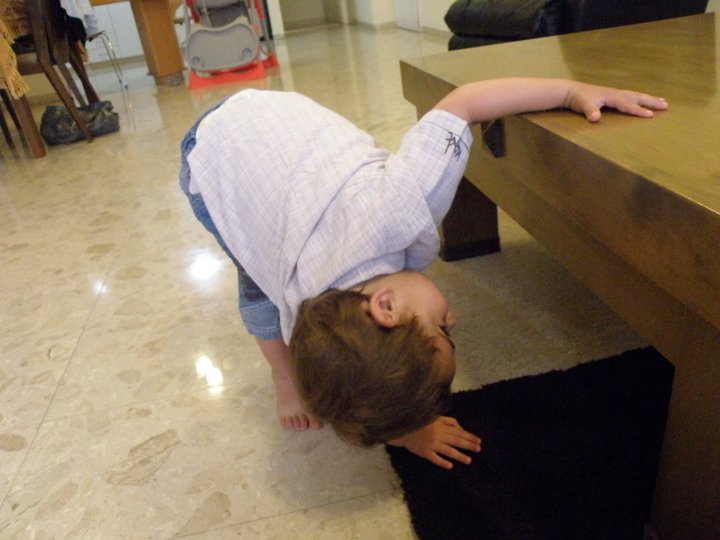
tom looking for ball

Kids are wizards of pointing out minutia of life that can seem quite arbitrary to us. They note things we missed completely. They seem to ‘insist’ on irrelevant details like the way the plate is organized, who got to open the refrigerator this time, or what touches what. Everything takes far LONGER to do with a little one around …

In good part it may well be because their life moves slower. Time is yet to be shackled onto watches and the ticking of a schedule. They pause mid-sleeve, pondering the way light filters through the cloth, unconcerned with how rushed the morning is. They stare in wonder at a pigeon when the light changed and it is time to cross the street. They have an urgent question or need just when you finally sat down to eat.

And they notice. Everything.

They collect each leaf and pebble. There is no such thing in their vocabulary as a “quick run to the store and back” … not when there’s a big exciting world out there. There is endlessness to explore: Cracks in the pavement. Bits of paper flown by winds. Funny people. Yippy dogs. Horns and beeps and squeaks and windows with wonders and when finally at the store, multitudes of candy at eye-level … How could it be that this was not what you came all the way for? …

They teach us patience, that’s for certain.
They also teach us that time is what we make of it. That stress can catch one breath, and relaxation ride right in upon another. That one can laugh before their tears have dried and emotions coexist and flow without a judgment.
They hold a mirror to the things we have forgotten or have misplaced our truth about or have given up on trying to critically examine.

They listen. Even when they do not seem to.

More than most anything else, they note the mismatch of expression, the ambiguity of tone and matter. The odd things our mouths can say and we do not hear.

In part it is because small children are so literal. They get confused when they listen to the WORDS we say and find it not to match the words’ MEANING. Their reaction (and ensuing cuteness) can have us realize hidden ambiguity. They reflect what we once saw and now are almost blind to: how the world works even though words so often mean things they do not really mean.

Want a few examples?

A father talked about his mother looking after the children when he and his wife had to both be away. “She has a heart of gold,” he gushed. His preschooler daughter piped up and added, “no daddy, you forgot. Nana’s TEETH are gold …”

A mother had forgotten something she needed to ask me. “I’ve had it at the back of my head all day,” she sighed, frustrated. Her three-year-old scrambled up onto the couch and took a look, exclaiming, “No mamma, it is nothing there!”

“It is all politics and money,” another parent moped when a kindergarten admission did not go the way she’d hoped, “there’s absolutely nothing new under the sun!” Her almost kindergartener son looked at her sideways. “That not true, Mommy,” he said, rather accusingly. “I have new Spiderman shoes! You forgetting my new Spiderman shoes?!!”

Then there are the cats and dogs that do not really rain; the invisible pins and needles one can be on (and no wonder one’s child refuses to sit where the parent sat a moment prior!!); the feet in mouths (“You can’t do that no more, Daddy. You’re too old. You can’t reach like baby Deena!”); the bleeding hearts (think on that …); the pants on fire…

Language is a treasure trove of meaning, and learning symbolic language is a big task. It calls for the ability to hold two lines of listening: one for the words, another for the context. Children get very good at that around age 5 or so, though they get thoroughly confused before they realize that “listen to what I say” is far from straight forward.

Kids practice logic. They spend a good bit of their time making connections, figuring out how things work and what brings on what. If you pour too quickly, you spill everything. If you push your brother, mom gets cross. If you don’t stop whining, you may lose a privilege. If you mix milk with chocolate syrup magic happens and you get chocolate milk!

They get right fast at figuring out what makes what, and a never-ending list of ‘why’s helps them figure things out. They realize there are desired outcomes and less favorable ones, some adults that are easier to get things from, that there is misfortune and consequence. They get uncannily creative at hopeful attribution of fault …

They map their world into cause and effect. Into how things happen. Who does what.

And sometimes they make connections that are not quite as we would have put them. … Like the little girl with the (newly) pregnant mom, who asked quite loudly and in public: “Daddy, how did God put a baby inside mommy and didn’t tell her about it until she peed on the stick?”
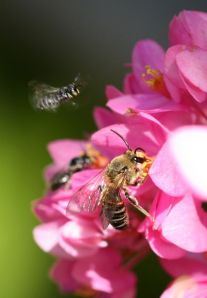
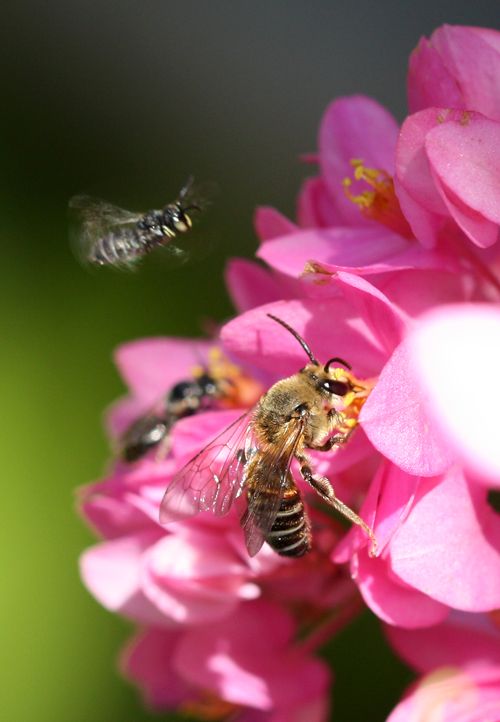
The B&Bees

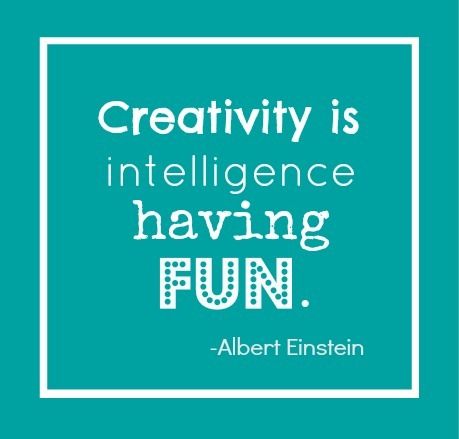
The B&Bees
Listen

a voice

It is the voice of heart

The voice of care

Of here and then and everywhere.

Listen. It is there.


It is the voice that speaks the wind that rustles

Through the branches

From the smallest trees

Into the clouds.

Listen. Find its sound.


It is the voice of oceans ebbing surf

And twirling foam and shells

Onto changing sands

And sparkling sun.

Listen. All is one.


It is the voice of all that does not need

Explaining

And has no demand.

Listen. Understand.


It is the voice of who you’re meant to be

And are

And have never quite forgotten.

The voice that hears the broken places

It is the voice that heals.

Listen. Breathe it in, and feel.


It is the voice of calm

And nature

The voice of reason that does not hold cause

Or fault

Or worry

Just is.

Listen. Welcome ease.


It is the voice without words

That carries worlds within it

The voice of souls connected

Hope restored

The voice of light in flow

tenderly weaving earth and sky above.

Listen. It is the endless call of love.

You Can Still Hear

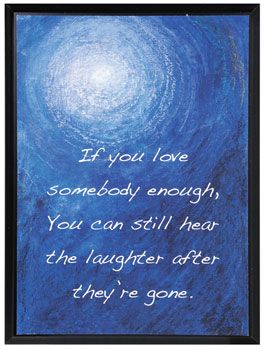
laughter

… and judging from today

You were amply, multitudinously loved.

Your laughter was what every one remembered

Its memory snuck giggles into sobs

It was what brought smiles

Into the tears

And light

Into the sorrow.

I can hear your laughter still.

It lives within me

As it does within so many others

Blessed to know you

And the bubbling of your kind and precious laugh

In life.

In love.

Transmuted into light.