In her great blog Adele and the Penguin, Adele Ryan McDowell posts about all manner of lovelies (well worth peeking in!). Her recent post is about sensitivity, about those of us who may be labeled “too sensitive” or “highly sensitive people.”

Reading it made me think–and not for the first time (Adele’s blog posts do that–they touch the everyday in novel and eye-opening and heart-opening ways).
The highly-sensitive people thing? Yep. I can totally relate …
So can many of my little clients.
Personally I don’t see being sensitive as a bad thing. Like any quality, I think the ability itself is neutral. It is how we react to it, what we do with it, how it affects our lives, and whether it adds or detracts from the person we are and can become, that is the most important aspect of it to me.
There seems to be more good than bad in sensitivity. Creative people are often sensitive. Artists, writers, thinkers, inventors. I certainly see more positive than negative in the more sensitive children who come to see me. They perceive the world minutely, they read people amazingly well (even if they don’t always know how to verbalize it), they feel deeply.
They are also, all too often, overwhelmed. There is too much, everything, everywhere, from everyone. In reaction, they snail in, lash out, fidget, shut down, alternate being acutely perceptive and deeply numbed out. They can have spectacular tantrums, meltdowns for seemingly nonsensical slights, go from happy to weepy in a blink of an eye. They get all kinds of acronym diagnoses, sometimes rightfully, often not … They can walk through the days feeling raw, exposed, vulnerable, tender, empathetic, perceptive, disorganized and evocative.
Emotional regulation is a must for all children to learn. Without ability to do so and find a place of calm attention–they will struggle at school, in public, in getting along. All caregivers of children are tasked with the teaching and modeling of emotional regulation to the children in their lives. It is even more crucial for highly-sensitive children … who can tax even the most patient caregiver. The sensitive children need more help, much more help, to learn to regulate, to know when they need to take a break, to recognize the beginning of overwhelm and be able to apply a tool for grounding.
They need more time. To play. To rest. To think. To cuddle. To get bored. To dream. To get used to new things. To gather their courage to try. It is a luxury of time all too many of them do not get these days, in our modern world that does not make it easy to be sensitive.
Our world–and within it the education system and children’s schedules–is currently calibrated for very low sensitivity: there is information everywhere and increased pace galore. Blinking screens, beeping car horns and phone messages, jingles of all manners, multi-sensory bombardment, loud, fast, multitasking everywhere. There is stimulation all the time. Every. Where.
Wake up and rush to school, bend over homework in the car to complete what didn’t get done the night before because there was a birthday party and soccer practice. After a long day at school in a class of 30 and no recess or playground because it rained and a two hour assembly in a noisy auditorium followed by lunch in an equally ruckus lunchroom, grab your bag and gobble down dinner on the way from dance to chess before you go home and try to do homework with the TV in the background, someone angry with tech-support on the phone, the vacuum and the dishwasher rumbling along. Get a math problem wrong and dissolve in tears onto a kicking puddle of misery on the floor. It is not the math problem. It is the everything and that little bump of difficulty simply toppled tolerance. Everyday stuff mushrooming to a thunderstorm.
Sometimes I think that sensitive people may be better calibrated for slower life … for long walks from place to place, bigger nature around them, more connection with animals (and their highly regulating energies), more connection to the earth and its calming breath.
It is not how most children grow up anymore, and it is not about going back to lack of modernity (there’s much to be said for running water, electricity, and even the Internet …). However, it is about helping children–especially sensitive children–learn how to stop, pause, breathe, step away, maintain boundaries.
All children need that. Sensitive children need it even more. Their drama-streak, their tantrums, their meltdowns, their whining, begging, shutting-down are all their ways of communicating to us that they need our help to manage. That they are feeling raw and need a hug, a pause, a hand.
What to do?
First what not to do … It is not about ‘helping them grow thick skin’ or expecting them to ‘suck it up’ or ‘toughen up.’ Shame has yet to heal any sensitivity. Expecting one to be what they are not will not resolve anything other than create a distance and thicker pain, not skin.
What does work?
Try to keep things simple. Establish routines and try to maintain them reasonably consistent (we’re not talking OCD here, just predictability). Make time for quiet. At the very least relegate a certain space in the house that is off-screens: a place to read, do homework, dream. Be aware of competition–of stimuli, that is–if there is much background noise you cannot control, consider noise-canceling earphones for the child to wear when they need to concentrate. Keep it comfortable: temperature and clothing, yes, but also tone of voice and your own emotional regulation. Sensitive kids pick up on your state of mind and internalize it. It filters in. It gets under their skin. They are too young to manage your adult feelings for you … and they already have plenty of their own. Keep it soothing: quiet cuddling, snuggling together with a book or a few precious moments at the end of day, offer comfort when they are distraught. Let them know you see them, hear them, feel for their discomfort. It is real.
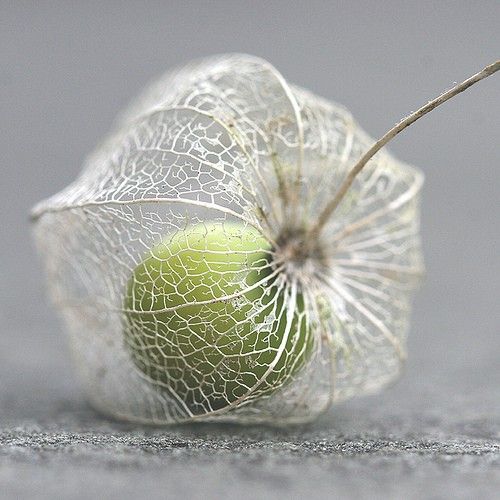
Sensitivity is like a fragile gift. It is precious, it is beautiful, it can light up the room and make for excellent potential. It is also delicate and needs some special care. It calls for careful holding in times of transition. It needs a very safe space, for sure.
Have no worries, if you treat your child’s sensitivity (and yours, if you need to) with care and … yes, sensitivity … you will not spoil them. To the contrary, you will teach them how to control and modulate their hyper-acute-perceptions. They will learn from your attuned care how to keep aware without drowning in information, how to keep empathetic without taking on other people’s needs, how to keep their senses vibrating brilliantly without becoming blinded or overwrought. They will learn from you to take time to breathe, to pause, to consider. They will recognize their own cues and clues and find ways to respond to them healthily.
They will blossom like the rare delicate beings that they are. Come fully wonderfully into their own. Sensitivity seen, understood, utilized, known.















 Na'ama Yehuda
You must be logged in to post a comment.