Take The Trail

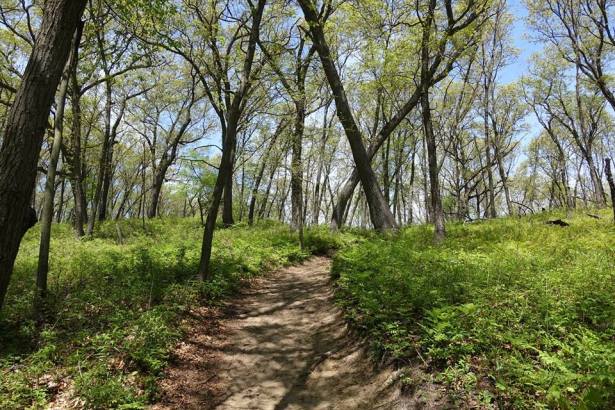
sun shade path PhilipCoons

Photo: Philip Coons


Take the trail

Up the path

To where spring

Flows through minds,

And where fairies

Inspect

Those whose feet

Trail behind.

Listen on

To the leaves

Speaking tales

To the trees,

And to elves’

Rustling limbs

As they flit

In the breeze.


Dedicated with love to Dee, whose trail now flows wholly through realms beyond this physical one.

For the Tuesday Photo Challenge: Trail


Shadow Path

shadow path OfirAsif

Photo: Ofir Asif


He took the path in shadow, and it seemed he was forever chasing sunlight as it progressed across the crater faster than his feet could carry him.

Bone-dry tired as he was.

It was better, he supposed, to be in the shadow. He was, he knew, perilously close to collapse.

Still the sun called to him. The shimmer played a trick upon his eyes and he craved the light even as he knew to fear it.

He’d been crossing deserts for what felt like a millennia of a parched destiny.

In linear time it had not been even quite a week …

Since he took the path of shadow.

In life. In hope of refuge. In this.

The sun slunk lower, further elongating the darkened tide of baked dirt, spreading to gobble up the fast receding patch of light.

He’d need to make camp soon.

One time had been plenty to be taken by surprise.

He knew.

Shadow will not wait long to turn into pitch dark.


For Terri’s Sunday Stills: Path


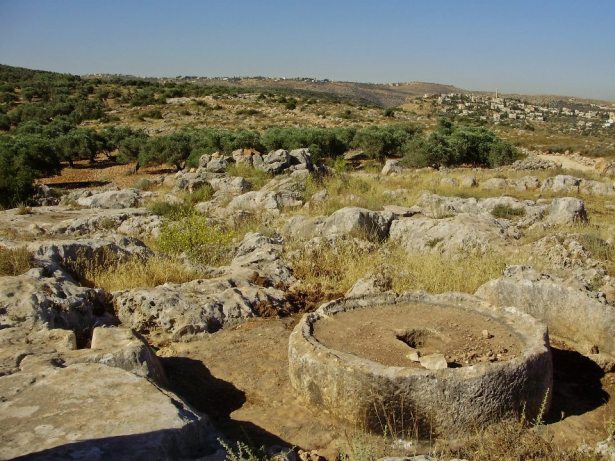
Ancient Crush

Yam lower stone for crushing olives AmitaiAsif

Photo: Amitai Asif


You’ve seen nations

Rise

And fall,

Felt oil

Extracted

From trees’ toil.

You’ve seen

The farmers

Tend the soil,

Bread dipped

To nourish

Heart and soul,

As children laughed

And played

And lived

And died

Through centuries of

War and spoil,

While you remained

Above the boil,

Till peace returns

For olives’ roil.


Note: The photo is of an ancient base stone (called “Yam” in Hebrew) of the grinding stones that are used for the first step of extracting oil from olives. A current-day olive grove can be seen in the background to the left. Olives were first domesticated about 6,000 years ago, likely in the Mediterranean basin. Documented history of deliberate oil pressing can be found as early as 4,500 years ago (around 2,500BCE).

To this day, making olive oil involves several stages of crushing and rinsing to extract the oil. In many places, olives are still harvested by hand or by beating the fruit off of the trees. The olives are then washed, and crushed by milling stones (traditionally between a bottom stone like the one in the photo and one or two mill stone that stand perpendicular to it and roll around the base stone). The millstone/s were historically moved by use of man-power or animal power, and in some places still are. The pulp is placed in woven bags or baskets, then the baskets themselves are pressed. The liquid from the press bags gets drawn into a reservoir where oil is left to settle and separate. Oil is then skimmed off and allowed to settle again, sometimes repeatedly, to remove impurities.


For the Tuesday Photo Challenge: Ancient