“She insists on coming,” he noted without raising his head and even though I hadn’t worded my question.
The quiet breathed and a soft breeze rustled the leaves and made shadows caress the stones.
“She stands by the gate and belts until I take her,” he added and continued to wipe his already spotless glasses. His fingers trembled, from palsy or emotion or both, I didn’t know.
“She misses her, you see,” he glanced at the goat. “Rejected by her nanny, this kid was. My Mary hand-raised her. She was this kid’s rock. Now all that’s left is this headstone.”
Sometimes a resource comes along that distills complex concepts so they are instantly understandable in both theory and practical applications. The three minute clip below is one.
The children in the video do an excellent job explaining the brain’s structure, function, and response to fear. They detail what fear reactions can look like in behavior, how fear affects processing, and why it is so important that we understand how behavior is, in essence, communication.
It is a brief yet fantastic resource. I hope you watch. I hope you comment. I hope you share.
Children often make great teachers. These kids certainly do! Well done, everyone!
For detailed information on the ways fear and trauma affect language, development, behavior, and communication, go to: Communicating Trauma.
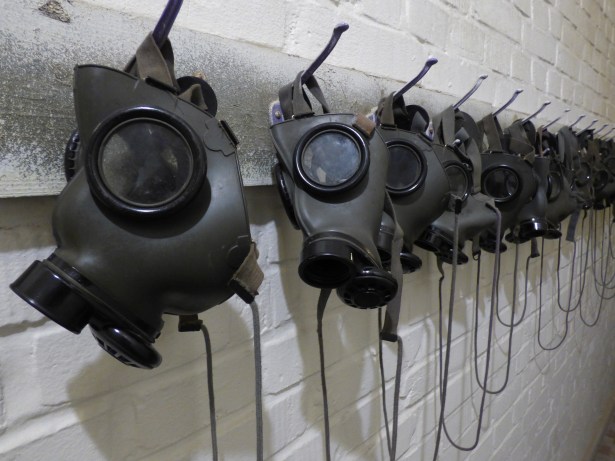
“Are these from olden times?” the boy’s eyes were round with wonder.
“Not so olden,” his mother sighed. “We have some in our bomb-shelter. Everyone was fitted with a gas mask during the Gulf War. We had to carry it everywhere. Even preschoolers like you.”
To participate in the Ragtag Daily Prompt, create a Pingback to your post, or copy and paste the link to your post into the comments. And while you’re there, why not check out some of the other posts too!
You have reached a quiet bamboo grove, where you will find an eclectic mix of nature, music, writing, and other creative arts. Tao-Talk is curated by a philosophical daoist who has thrown the net away.












You must be logged in to post a comment.