Explained

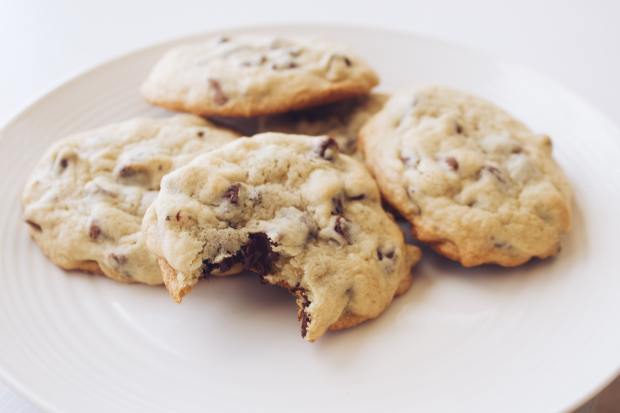
izabelle-acheson-G4zLsxLIpAA-unsplash

Photo: Izabelle Acheson on Unsplash


She will not elucidate.

She won’t expound.

She won’t make plain.

There is, in her view, absolutely

Nothing she needs to

Explain.


There is the plate.

There are the cookies.

There was her mouth to entertain.

So, what does any of that

Have to do with dinner

Or with waiting for dessert

Again?


For RDP Tuesday: Explain


River Run


She could not sleep for the excitement.

A dream come true. A lifelong prayer answered.

She lost count of the times they’d gone without, made do with little. They saved. They scrounged. They worked. They sought. They searched. They found.

Only to be turned down. Back onto the merry-go-round.

It was not for sale. It was too old. It was rotten. It was tied up in legal battles. It was too large. Too steeply priced. Too small.

She almost lost hope.

Then this. Beat up and needing some work. Their Goldilocks perfection.

He didn’t want to sell. His late wife’s boat. Her family’s name. Nope.

They begged. They pleaded. They tried to explain.

Finally … he relented. Perhaps they wore him down.

They drew the contract. Argued. Fretted. Signed.

The boat was theirs.

“You must rename her,” he stressed, pen in hand.

Of course.

Tomorrow it will become her River Run.


For Crispina’s Crimson’s Creative Challenge


The Promise


“It’s not much,” Eric noted.

“That it isn’t,” Morris agreed. “Still …”

Eric nodded. It was better than their tent in the woods. “Walls look sturdy.”

“That they do.” Morris circled the dilapidated farmhouse, hands clasped behind his back. A habit left from years of teaching and one he wasn’t particularly happy to be reminded of.

It still hurt. To have been cast aside. To not be wanted anymore.

“So, she just left it for you?” Eric tried to keep the eagerness out of his voice. He’d hoped for some juicy details ever since Morris had told him about the inheritance.

“That she did,” Morris replied.

He remembered her, of course. Juliette, the brunette. They’d been a couple, in a manner of speaking. “What’s mine is yours,” she had promised. Years ago.

Then they’d parted.

Not once had he thought it to mean anything beyond what she’d shared with him then.


For Crispina’s Crimson’s Creative Challenge


Slip From Grip

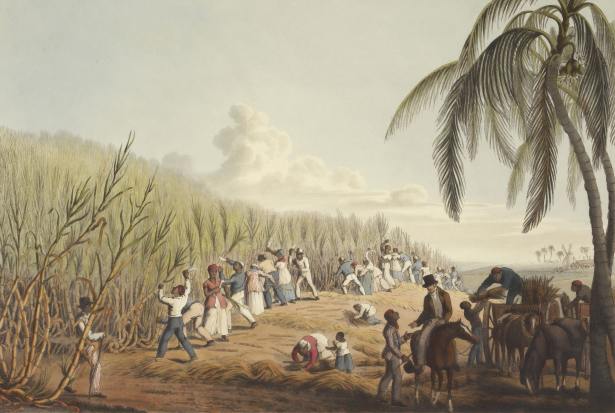
british-library-atIgjLlFryg-unsplash

Enslaved persons cutting sugar cane on the Island of Antigua, 1823, (The British Library)


She fed them well so

They would

Sleep,

And silently

She gave the slip,

To all she knew

Yet did not sweep

Away the bite

Of whip.

She fled,

So the child in

Her belly’s keep,

Would not writhe, helpless,

In another person’s

Grip.


For the dVerse quadrille challenge: slip

(Note: Dedicated to all who suffered and still suffer under the yoke of injustice, discrimination, racism, and pretense. We can do better than this. We must do better than this.)


Treasure In The Sand

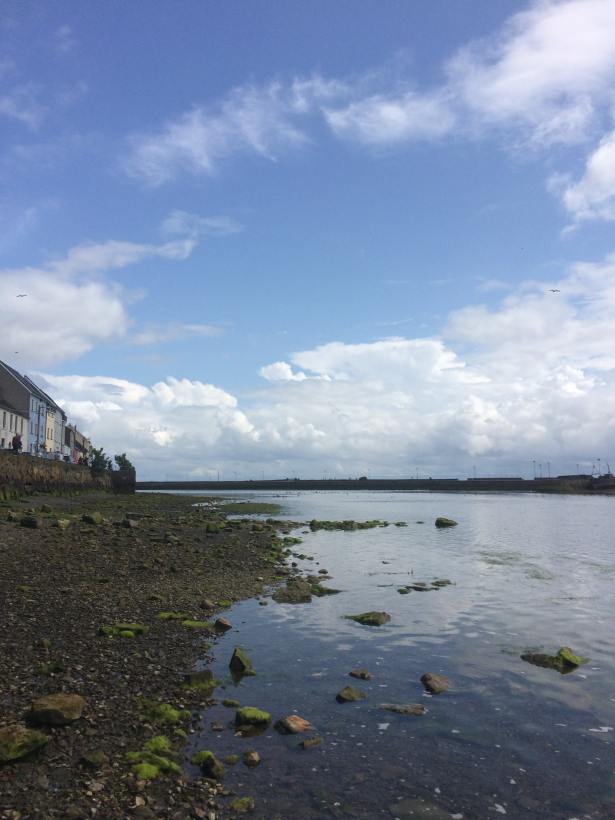
fum-bally-XN1j9bzHXoU-unsplash

Galway, Ireland (photo: Fum Bally on Unsplash)


He leaned on his elbows and watched, periodically checking the clock and the tide-chart that hung next to it. Any moment now.

The briny air tickled a sneeze out of him, and he debated whether he had time to go fetch a handkerchief or if he could just use his shirt. Laundry day would not be for another full week. The handkerchief won. He rushed back to the window, flushing with a combination of exertion and embarrassment.

It was sobering to be faced with his own obsession.

The waves hissed and brushed against the beach. The ocean sighed. The breeze picked up. It would rain tonight. He believed his bones.

Then he saw her, walking on the exposed strip of rock-spattered sand. Her head was down, searching. She held a plastic bucket in her hand. It had seen better days.

They both had.

She was his treasure in the sand.


For What Pegman Saw: Galway, Ireland


The Reporter

sven-brandsma-jJLhSPffgJM-unsplash

Photo: Sven Brandsma on Unsplash


He reports first thing in the morning.

He reports again every night.

There’s little that could dissuade him

From being absolutely forthright.


He records every scene with a flourish.

His voice reflects every sight,

As with journalist’s flair

He spells data in ample delight.


He would not be distracted from telling,

The minutia has got to be tight.

After all, he is in potty training

And to him no discharging is trite.


For RDP Sunday: Journalist


More To Overcome

jon-tyson-FlHdnPO6dlw-unsplash

Photo: Jon Tyson on Unsplash


As soon as he arrived, she would be able to make her exit.

Take time for herself. Have a moment of calm.

She was oh-so-tired. She urged him on.

“On my way,” he said. “A few more minutes and I’ll come.”

She waited.

The minutes then the hours ticked their slow molasses of seconds. Time puddled, sticky, in her mind.

Around her the demands of life continued and her body obeyed. Her hands found zippers and did and undid buttons and washed dishes and stirred pots and hung wet linens and kneaded dough and bandaged a skinned knee and broke up fights and interrupted arguments. Her mouth managed to answer questions she did not remember being asked.

At some point her eyes no longer rose to check the clock. The sinking feeling curled up and took residence inside her gut.

She fed. She bathed. She put to bed.

She rocked. She soothed. Not knowing what she said.

As dark deepened and the night grew long, she knew.

He would not arrive.

There will be only more to overcome.


For RDP Sunday: Overcome


The Footprints Of Her Years

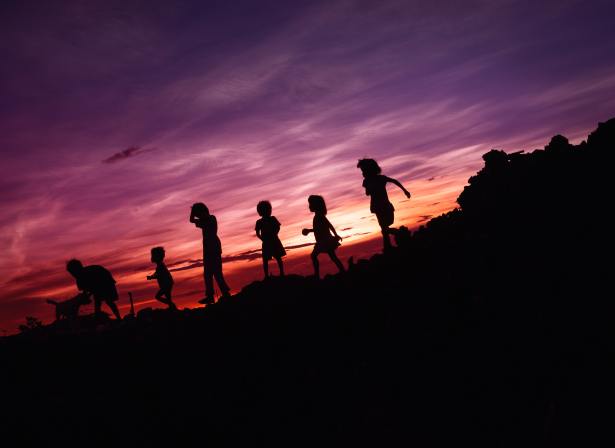
louisa-potter-0YaUgdjZ7-Y-unsplash

Photo: Louisa Potter on Unsplash


She spilled

A trail of tears

Along the footprints of

Her years.


At first she was the

Princess.

The apple of her parents’

Eyes.

Half-grown, she had become

The Black Beauty

Sitting on the class’s

Throne.


When she first met him,

He was her wizard.

Jacob

Of the dazzling blue eyes.


They all followed him

Like cattle.

She swooned

Into his charm.

Into what she believed to be

His tender and true

Heart.


But her prince charming

Turned into

The Czar

Who wielded

A sharp tongue like a

Purple sword.

Who called her

Drab.

Unlovable.

A lazy housewife.


With her

No longer his

Purple queen,

He left in search of

Better.

Found his golden acre.


And she,

In tears of ice

Wept storms,

As blue fire

Drew Aurora Borealis

Across her broken heart.


For dVerse poetics


The Wait

Photo: Sue Vincent


In the days of old they’d walk out on the water at high tide, appearing to float atop the waves.

It was a sign of trust.

Also of recognition. For they’d come from the water, after all. Their bodies might have forgotten how to live in it, but their cousins — seals, dolphins, whales — still held links to what was possible. And they spoke of long swims and deep dives and frolicking, and of how one day they’d all come home again.

And so they hoped.

And let themselves be carried by tentative feet on mossy rocks built far in and well past the breakers, all the way to the beginnings of the depths.

First as children whose hands were grasped by others’. Then as youngsters showing off their balance and their fearless speed (and perhaps a bit of memory from within their cells, of swiveling agility and joy being in of itself a kind of swimming). Then as new adults, saddled with fuller understanding and big bellies or wrapped by legs and arms of small ones holding tight around the waist and neck. Then as elders, wary of a fall and fearful even more of a child letting go of their hand and drowning. And at the last, as age counted no more, carried, offered, sent home to the sea.

Yes, in the days of old they’d walk out onto the water.

In celebration. In commemoration. In passage. In ritual and prayer and courage and communal hope.

Till they forgot.

And the waves licked the rocks till very little path was left, and dolphins and seals and whales no longer were spoken to and had moved on, and the earth and depths curled tight to wait.

For the people’s lungs still ached for the swim, and their heart still beat to the rhythm of the surf as they slept, and they still made a bit of ocean in their eyes, especially when they wept.


For Sue Vincent’s Write Photo