Wrong Tracks


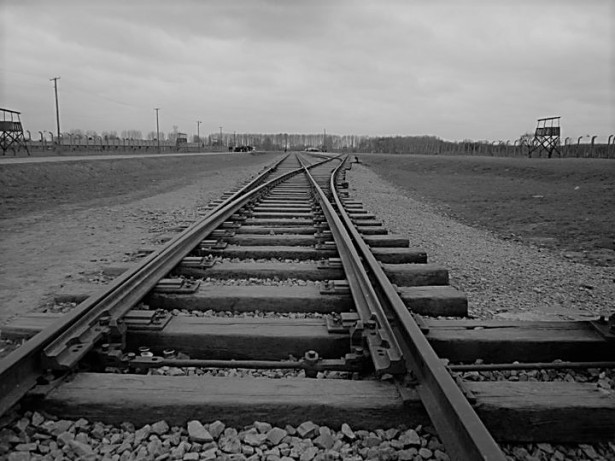
Never Again5 OfirAsif (2)

Photo: Ofir Asif


There is harm in the air

Infants caged

Children scammed,

There are guards

Bearing guns

Tearing babies from arms.

Those before us who fought

For the hunted, the hurt

Weep in graves

As the country they served

Mutates to enact

Inhumane acts

On the wrong tracks.


For Cee’s Black & White Photo Challenge: Trains and Tracks


“Make Me Disappear”

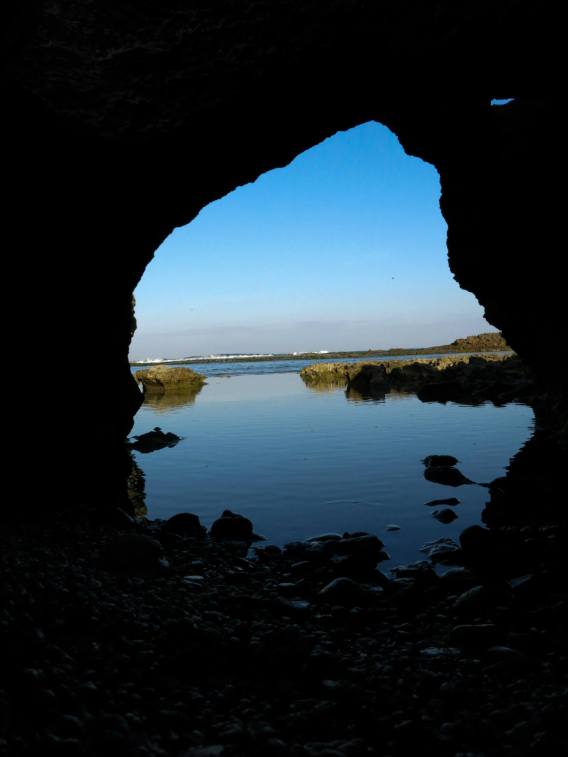
underground river SmadarHalperinEpshtein

Photo: Smadar Halperin-Epshtein


“Make me disappear,” she said,

As her eyes pleaded to be seen.

“I don’t care anymore,” she said,

As her voice begged to be heard.

The bruises on her skin long faded

But the wounding in her heart remained

Unhealed

Unchanged.

“I want to not be anymore,” she said.

But it was pain and the isolating loss of shame

She needed to erase,

Not life itself.


For The Daily Post

For The Long Haul

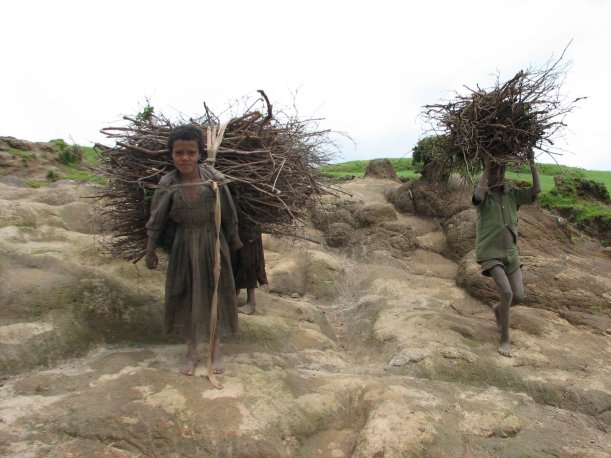
Ethiopia6 DvoraFreedman

Photo: Dvora Freedman


In places too many

On this one blue-green ball,

Children haul

More than the weight of firewood

On their backs,

Big or small.

Sorrow, loss, illness, agony

Needs unmet

Unheard calls …

Yet they are all

Our children,

Their pain is our

Shortfall.

They are worthy of better:

In the now

For the future

For humanity’s long haul.


For The Daily Post

Find a Home


The prompt for today was just too on point to ignore, when the paperback became available TODAY (!!!) and when so much of this novel is about what a home is, or what may at any moment become a place one is pushed out of or needs to run away from. The connection felt even more apt with how the holidays bring up for so many the very realities and stories of a home (or lack thereof).

“Apples in Applath” is a work of fiction, yet very real children do fall victim to policies and realities not of their choice or making. Also real is that what makes a home or family is not always immediately obvious; and that hope and wariness, need and conscience, often compete inside one’s soul as one seeks a safe space to call home.

I’m very excited for “Apples in Applath” – my fourth book and third novel. I hope you’ll check it out and share it with others who may find an interest. I hope that it may find a home in yours.

Even more so, my wish for you — and for all who are or once were children — is that you’ll always have a safe nest to call home.


For The Daily Post

Learned Instinct

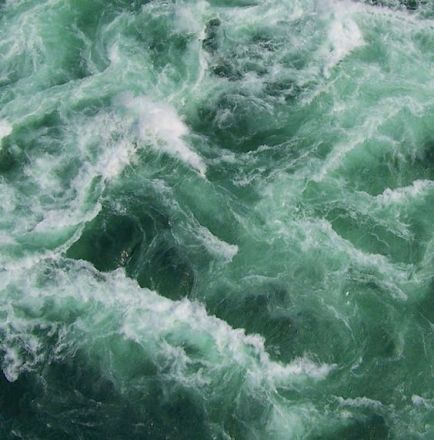
churning

What do you do when you are worried?

How do you act when you feel harmed?

If angered, wronged, misheard, left out?

What do you do when someone threatens?

How do you manage double binds

That tangle up your mind?


Do you cower away?

Do you lash out?

Do you curl into a ball under the covers

And turn off all reaction, action, light?

Does your body compensate

In sweet diversions

Or does your gut churn ire

Into acid

And shuts down?

Do you sob, mope, break down

Break something

Break someone?


Does your heart thunder in your eardrums

As your blood pressure spikes red

Behind your eyes

Or does it plummet

Grayish

Into numb?


Do you respond in kind

To wound another

To give as good as you had gotten

To show who’s boss

To cut to size any potential bully

So they stay down?


Or do you shrink

Into wall flowered corners

Get by through fading into

Silence

Till all turmoil passes

And you can seek the bits you hadn’t managed

To protect

And tentatively try to

Patch life up?


When feelings flood, how do you manage:

Float on? Hold tight? Spit out? Swirl dizzyingly in the eddies?

Drown?


What is the language of reaction

In your body?

Does your mind

Command

Reflexively

Or does it find a pause

Between a stimuli and action

To weave insight to choice

And sort true danger from benign?


Do you collapse

Into outdated paths

Formed by a not-good-enough childhood

And unhealed histories

Still near

Or has your palette widened

To allow volition

Over instinct

And

Kindness — to yourself, to others —

To find courage

Over fear?


For The Daily Post

Can You Hear?

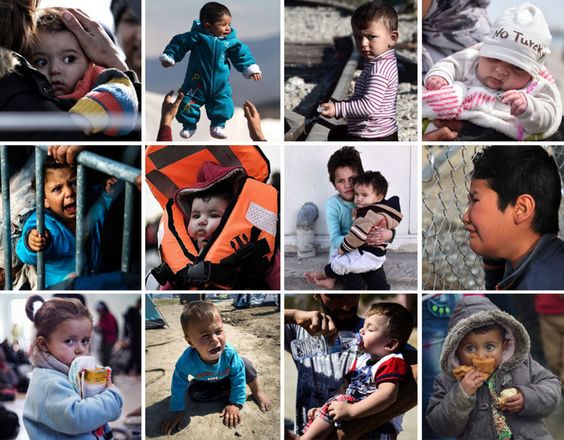
Can you hear the hearts that beat

across the mountains, deserts, oceans

hoping for safe harbor,

an anchor

home?

Can you see small fingers gripping

other little hands

bereft of parents,

lost,

alone?

Can you hear the soft breaths

of babies

sleeping

in tired arms

weighted by

desperation,

violence, hate, war?

Can you hear the calls

in dreams

in prayer

for safe passage

for a welcome

to belong?

Can you —

how can you not —

hear,

the urgency

of hope

that hardship snuffed

and yet

still

yearns to grow?


refugees-express-co-uk

Photo by express.co.uk


For the Daily Post


The Scent of Home

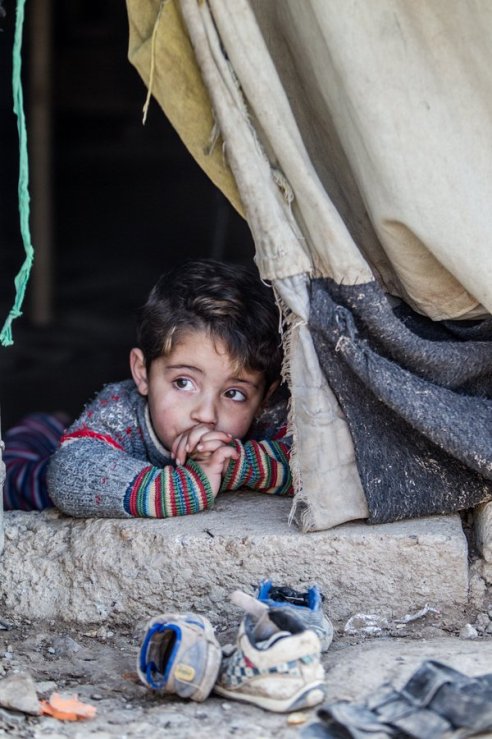
syrianrefugee-unicef-photo

Child Refugee – Photo by UNICEF

The scent of home that she no longer has.

The spices, baking, the aromas

Of togetherness

And family

And love.

The scent of grandma,

Gone,

Killed by bombs.

The scent of ugliness

And war.

The scent of mornings

Blurred by smoke.

The scent of sea, now tainted

With the stink of gasoline

And sick

And worry.

The scent of tent

And mud

Hunger

Cold.

The scent of hope

Faint but held

In Baba’s handkerchief —

He said he’ll find them

One day

In Wherever Land.

The scent of fear

In mother’s arms

Trying to filter comfort through her own terror

Devastation. Loss.

The scent of home that she no longer has

Wafting away

In search

Of someone

Who will help

Her

Make a new one.

What we see; why we don’t

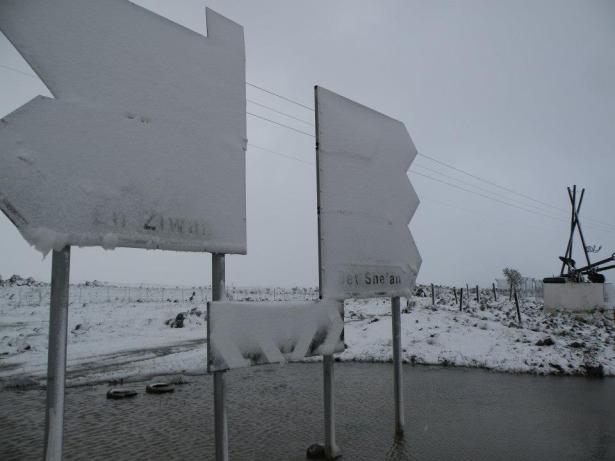
now where...

Photo Credit: A.M.

“How come they didn’t see it happening?”

“How could they let this happen?”

“How is it possible that it took place and no one knew?”

“How can they say they didn’t see?”

“Can people really be this blind?”

“Don’t they care?”

“Don’t they see?”


Maybe they didn’t. The improbable is possible. People can be that blind. Even when they care, they may not see.

It is easy to see what one wants, what’s congruent, what matches assumptions or views or held beliefs. It is easy to recognize what one had learned already, to follow perceptions already accepted, ways familiar … easier to understand words that resonate with what does not burden with new challenges or calls for reassessment or brings up shame.

Shame. People don’t like to see what brings up shame.

The very whiff of it can bring on denial. Projection. Deflection. Blame of others. Avoidance. Cold shoulder. Dismissal. Refusal. Minimization of the pain of others to avoid feeling one has done wrong, seen wrong, is wrong.

Shame tugs along with hate and violence, in words or action or both. Inflicting pain on others might get justified or explained away … A way to keep downtrodden what one thinks should stay unnoticed, un-make-wave-able, quiet, under rugs, buried. Unseen.

It takes time, heart, and bravery to crack and drain shame.

It is easier to blame. To point fingers. To make “an other” to scapegoat or distance from. To claim misfortune due to one’s abilities, affiliation, religion, political leanings, nationality, age, gender, race, vocation, location, possessions or lack thereof.

To yell “false claims”, “exaggeration”, “attention seeking” or the newest term: “fake news.”

Shaming is a weapon of pseudo self-preservation for those who need to ensure the pain of another remains unseen and one’s own comfort can stand unprovoked.

Shame silences:

Unspoken words of wounded children

Pleas of disrespected women

The worlds of the oppressed, belittled, turned against them.

The desperate, the lost … unanswered. Unaccepted. Unacceptable.

Unseen.


It does not need to so remain.

To face what was already there but eyes were closed to, is the first step to unmaking shame. To healing pain.

May we find ways to see. May we take heart to act. May we become for others what we need or needed them to see in us, to do for us, to hold with gentleness.

May the unseen become the visible.

May shame be drained.

each other


For The Daily Post