Paths of Gold

Found on listofpictures.blogspot.com

path-in-autumn-reghin-romania Found on listofpictures.blogspot.com

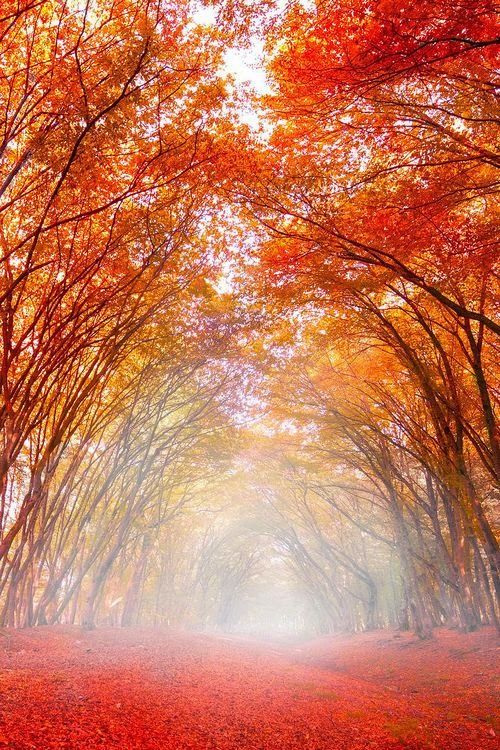
There is gold

in the air

ruby wealth

underfoot.

There are showers

of ocher,

breathing fairies

and wonder,

sprinkling mist

on cool weather,

building paths of

true splendor.

There is magic

to tread through,

parting leaves

end of season,

mixed with dazzling hues

of the richness of nature

spilling forth

onto you.

Manhattanhenge 2014


manhattanhenge-from-34th-street

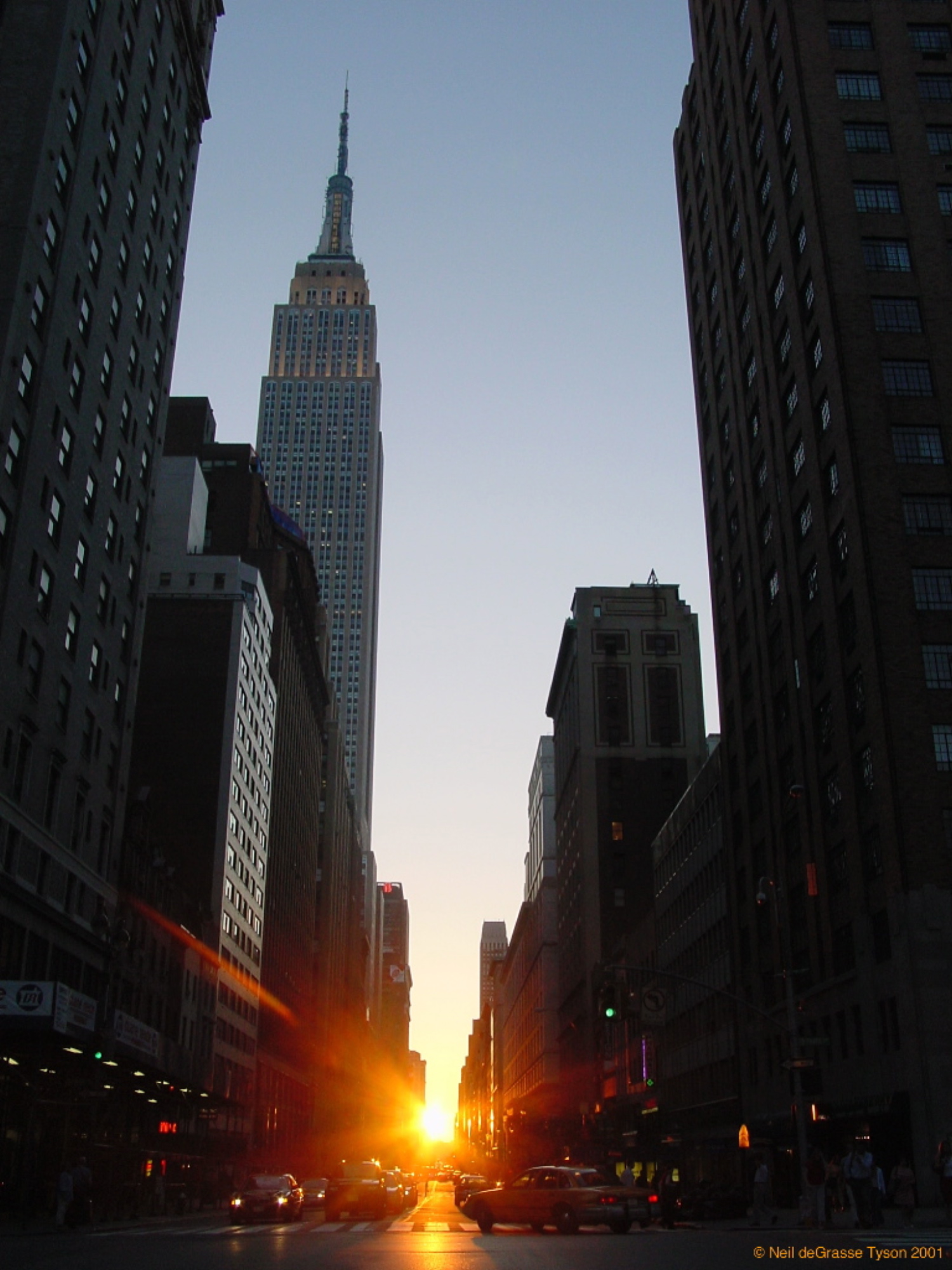
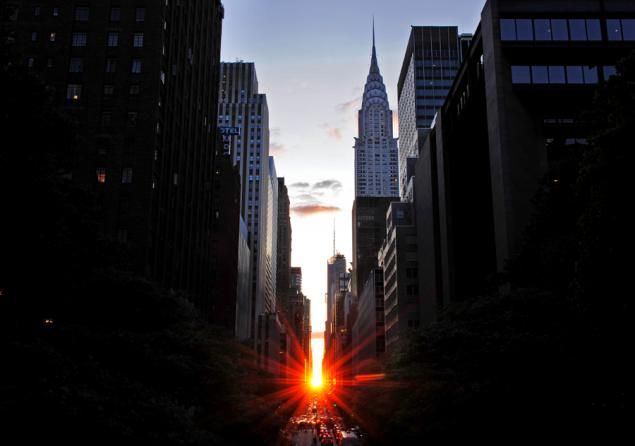
There is something mystical and wonderful about the sun aligning perfectly into the streets of NYC, flowing liquid gold onto the buildings’ facades and licking pavements and concrete.

There is another one due this evening: two hours from now the sun will spill into the grid and crown the city with molten awe … and for few moments … slow Manhattan’s relentless speed …

It will light this city of towers, this island built to canyons of glass and steel, of people darting in and out of holes and yellow vehicles like so many ants on missions, little human workers bent over phones with busy thumbs …

Manhattanhenge will make them stop. In. Their. Tracks.

Sometimes in the middle. Of. The. Street.

Jaw open. Eyes wide. Typing forgotten. Pointing finger drawn.

I’ve seen people weep. I’ve seen some gasp. Grasp someone’s arm. I’ve seen people grin at total strangers–connected over these magical rays that show us how distance and proximity are no more than an illusion.

We are all of us, potentially, perfectly aligned.


To read more about Manhattanhenge, go to this link from the American Museum of National History.

manhattanhenge


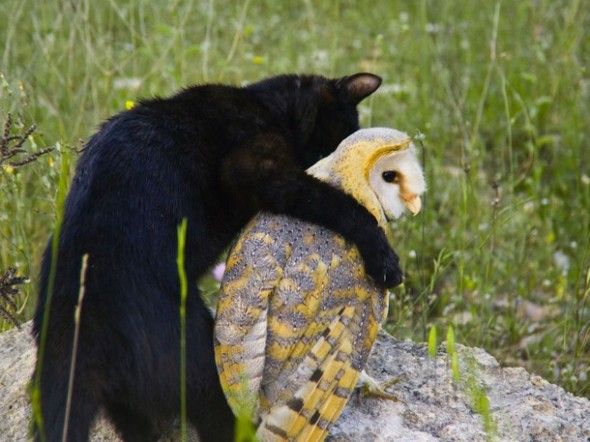
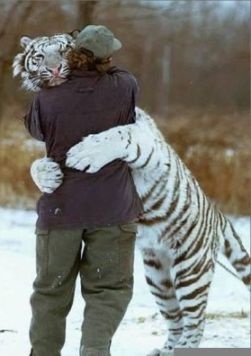
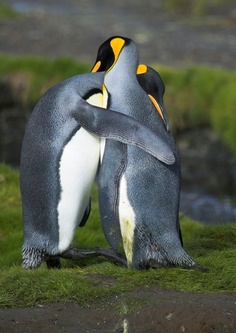
Tenderness

tenderness

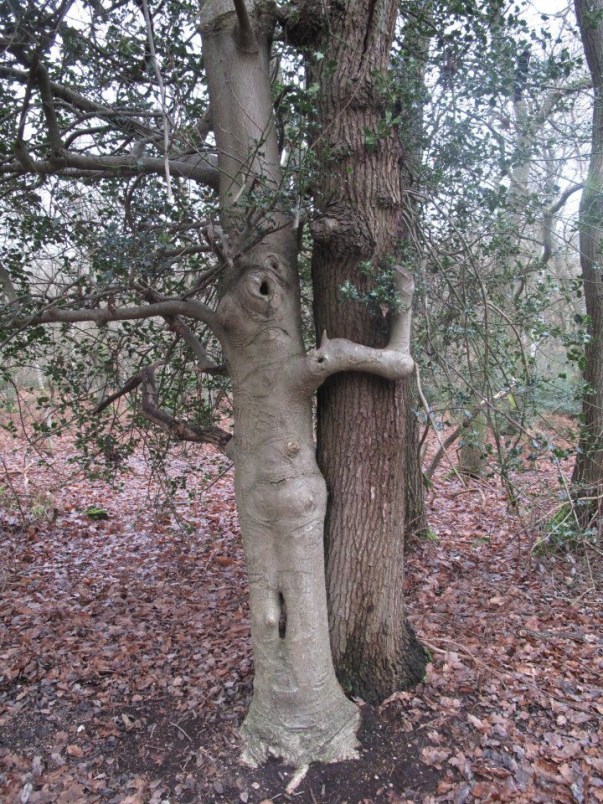
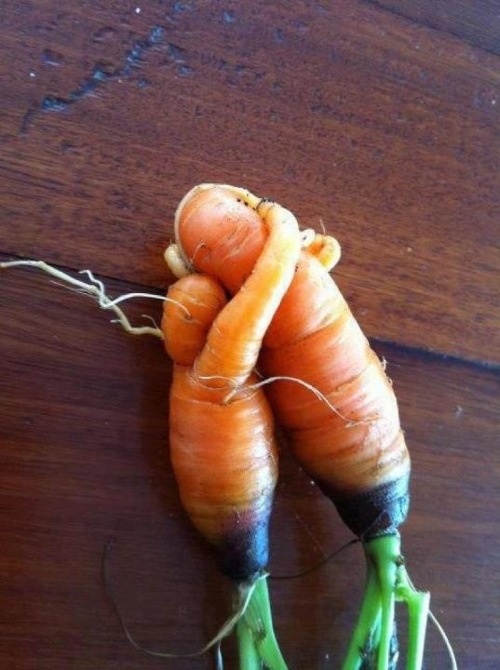
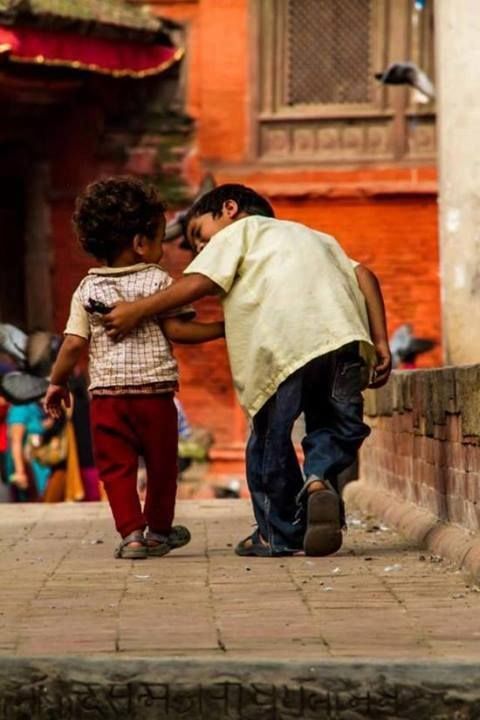
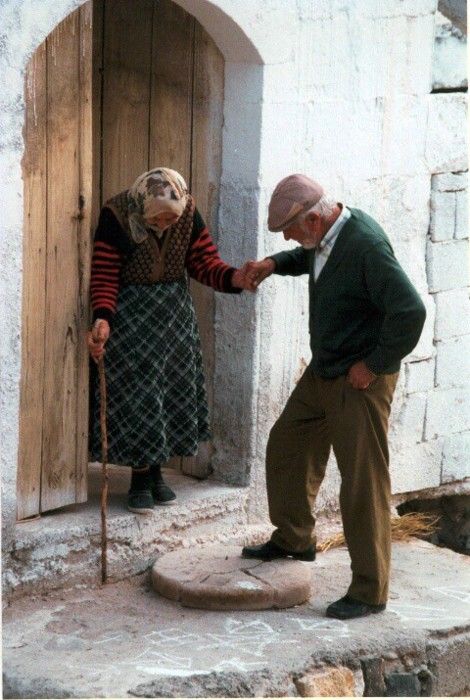
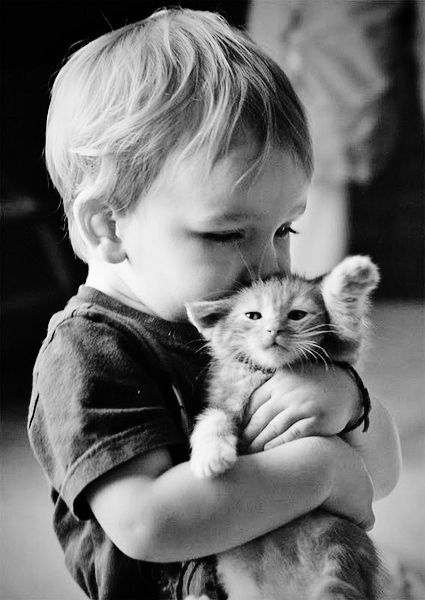
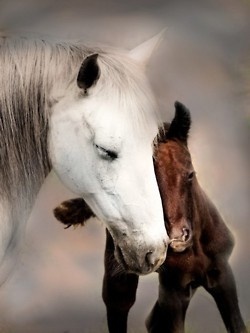
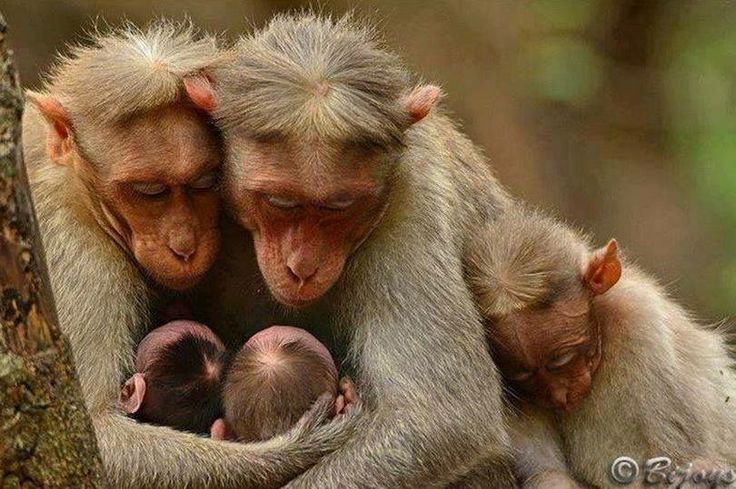
May tenderness infuse your heart

In every turn you take

May warmth envelope every day

And soften all your cares

May awe and joy flow in your soul

Like sunbeams in the air

May your see caring, everywhere.

It is already there.

tenderness1


tenderness4


tenderness3

tenderness2


Earth Talk

earth1
It is Earth Day.

An odd day to have, when we consider that realistically, every day is an Earth Day. We live it. We breathe it. We would not be. Literally. Without it.

And yet, there’s Earth Day. To remind us of what so many of us may be taking for granted, to counter what too many do not want to accept as Truth, to open our eyes to what we can do better or more of or less of.

For the Earth, yes. But if that is not incentive enough–for ourselves. For our children and their children and their children’s children.

People vary in how well they hear Earth–or how willing. Some prefer to not hear. Others spend life more attuned to Earth than others. Most children do.

Children often are attuned to Earth. You see it in their intense attention to a crawling ant or an undulating earthworm. You see it in the careful handling of leaf and pebble and that tattered bit of some insect’s wing that you really don’t want to find in their pocket when you do the laundry. You see it in their awe. In how hard it is for them to tear their eyes away from listening to do whatever you find so much more important in that moment, but they don’t–for they are listening to the Earth’s heart.

Children listen. They are naturally attuned to the rhythm of what birthed them. Till we teach them not to. Till we fill their world with too many competing sounds and none-too-subtle visuals that they tune-out the ripple of the earth-talk for the beeping of their videos and ever-busy-schedule-noise.

The Earth talks. Most days it speaks softly, slowly. Other days it shrieks and growls and thunders, matching winds and storms peak to peak. Earth speaks. It has always spoken. Native Peoples everywhere have listened, been tuned in, respected both the cycles of the earth and the sanctity of the sanctuary it provides us.

They have loved and feared the earth–because for all its perfect habitat for people and our fellow living beings, the Earth is not a subtle being. It blooms explosively. It raptures in shuddering volcanos. It sweeps down in tornados and hurricanes.

Native Peoples listened to the subtle: to the slow drawl of the summer and the fleeting flutter of the spring. To the deep rumble of the winter and the dried crinkle of the fall.  They heard those just as they heard the fury and eruptions. Most of us today listen only when the voice is loud enough … when Earth Talk drowns all other sound.

Even then, do we hear? Do we listen? What do we understand?

The Earth talks. All of it does.

Trees whisper. They bend and laugh and cry. They may do less of it these days, with less of them to pass a whispering along to, but talk they do. Their voice is not quite heard as it is felt, reverberating down their trunks and through their roots. In case you wondered, a small one states with certainty that Fairies often speak back or translate–you can see their lights flicker in response …

Oceans talk, as well. If only we would listen.

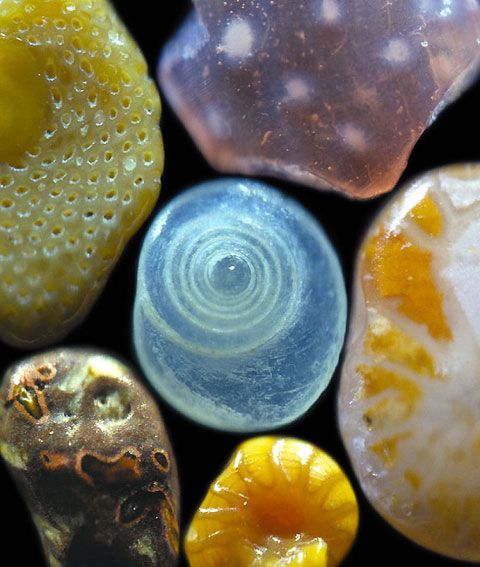
The fish, the whales, the jellyfish and sand-beings.

The growing grasses talk. The roses sigh and blush. The daisies sing and bow to bees for their gentle contribution.

Animals all carry their own voice. Individual and harmonizing. In body-language, pose and poise, hum and throaty purr, cries and song.

If we don’t hear it, it is not from lack of conversation abounding all about us, but from dulling of the senses and a denial that makes it easier to not know. For we would not be able to go on abusing Earth and its inhabitants if we did fully hear and know, if we maintained an open eye. If we let our heart know.

Those among us who fight to remain open hearted to the Earth are often achy-hearted. Frustrated, too, and yet immensely hopeful. Because we know it can be–should be, could be, oh-please-would-be birthed anew.

All living things have a voice.  The whole Earth hums. Abuzz with sound. Much of it unhappy now, these days … but it can turn back. It can remember better times and calibrate its tuning forks and old-sung centuries.

Let us listen. Let us recognize the tunes that whisper life and harmony. Let us work to dim those wounded melodies that rasp pain and pollution and hollowed out caverns where resources were all but stripped out.  Let us amplify the ones that celebrate renewal.

Earth talks. May we hear, and see, and listen, and understand. For the sake of all that is, for our children–let us truly, fully, take a stand.

 

Tree Life


“Are trees sad when people cut them?” The little boy came out of a week of school focus on earth, nature, resources, deforestation, and endangered animals.

“What do you think?” I returned the question. He has a reason for asking, after all.

“Yeah,” the seven-year-old sobered. “I think trees get sad because then they die and they can’t make leaves and flowers and acorns anymore.”

I nodded, sensing he has not quite finished and wanting to give him time to find the words.

A quiet moment passed, then his right eyebrow shot up the way it does when he gets an idea. Ideas for mischief, yes; but also for an answer that eluded him or a solution he did not see before. He touched the top of the table with his fingertips, and his eyes wandered over the floor, the bookcase, the closet door.

“You think maybe the trees are also not so sad,” he continued, “if people make stuff from them and then they get to be other things?”

“Um…hmm …” I noted in agreement, letting him work this through.

“Like if the tree gets to be a table or a chair or even a book then it is still important, right? But …” his young face wrinkled in too-old-for-his-age consternation, “but … maybe the trees are sad if they get burnt in the fire or something … because then they’re gone and can’t be anything anymore?”

“I see what you mean,” I offered, “but what if burning the wood helps keep people warm in the winter or cook their food?”

He brightened. “Yeah! I think maybe then the trees don’t get so sad … because they kind of make the food … ” His face got transformed once more, this time to seriously didactic, “But … but people still have to be very careful to not cut too many trees, right?”

“Right … ”

“… because the trees want to grow and be happy and also the squirrels and the birds need trees and monkeys and other things. Bugs, even. Some animals live on trees,” he instructed me, “That’s where they build their home. So people have to be careful because it is not fair to break all the animal homes and chop off all the trees to make things …” he paused. “And anyway, you can make tables from other things, too. Like plastic. Or maybe even a rock … I think …”

He quieted for a moment, his eyes wandered again around the room and rested on my bookshelves, on the National Geographic magazines on the side table, and the paper-packed folder with his work peeking out of the backpack on the wooden floor.

“I think trees really don’t mind if they get to be books, though” he added, satisfied. “Because then they can tell stories even if they can’t talk. I love trees and I love books.”

Couldn’t have said it better myself.

treelife

Listen

a voice

It is the voice of heart

The voice of care

Of here and then and everywhere.

Listen. It is there.


It is the voice that speaks the wind that rustles

Through the branches

From the smallest trees

Into the clouds.

Listen. Find its sound.


It is the voice of oceans ebbing surf

And twirling foam and shells

Onto changing sands

And sparkling sun.

Listen. All is one.


It is the voice of all that does not need

Explaining

And has no demand.

Listen. Understand.
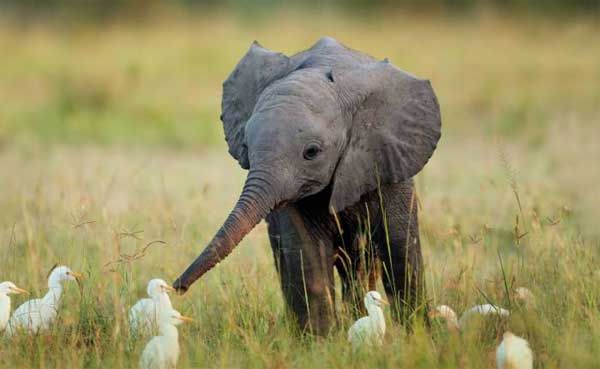
 

It is the voice of who you’re meant to be

And are

And have never quite forgotten.
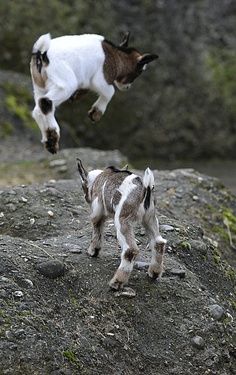
The voice that hears the broken places

It is the voice that heals.

Listen. Breathe it in, and feel.


It is the voice of calm

And nature

The voice of reason that does not hold cause

Or fault

Or worry

Just is.

Listen. Welcome ease.


It is the voice without words

That carries worlds within it

The voice of souls connected

Hope restored

The voice of light in flow

tenderly weaving earth and sky above.

Listen. It is the endless call of love.