Superhero Story

superhero

The little boy loves chocolate. He adores candy, cookies, florescent sour sticks. His idea of a balanced meal is french fries and ketchup with some chicken fingers on the side. He cringes at anything that grows on trees and runs away from any shorter plant life, especially those grown on farms with salads in mind.

He thinks brownies are a food group and can name all the junk food in the aisle of a mega-mart. He’s a keen critic of the varieties of cheese doodles, pasta shapes (no sauce), donuts, and icing from a can.

He perfected pouts and frowns to span the whole range of disgust, denial, and gradients of ‘no-way-Jose’ with which to respond to any and all attempts at offering healthy nutrition. You can dress vegetables however you like, try to hide fruit in a smoothie or an ice pop, claim that dried fruit are “as sweet as candy”–he sees right through the sneakiest disguise. The only way a vitamin will pass his lips is in a gummy.

His world revolves around sweets, snacks, and superheros.

Of the latter, he owns every size, shape, and denomination; in clothes, sheets, watches, slap-on-bracelets, stickers, backpack, cup, cap, hat, and mittens. He is genially inclusive of all superheros, identifiable by characteristic puffy chests, disproportionate arms, odd skin color (tending toward green), and various kinds of billowing plastic capes and armament. There are of course the Spiderman, Batman, and Superman, Green Lantern man, and Darth Vader, but also many others that adults keep confusing and, more’s the pity, cannot even name … 

The boy lives, breathes, sleeps, plays, narrates, and animates his superheros. He is rarely found without one–they are constant companions–at home, in the car, in the tub. He takes one with him to the toilet, for some friendly company and conversation.

He keeps a place at the table for his superheros. He lugs a carry-on packed with them onto the plane. He delights in having them, ecstatically anticipates upcoming birthdays and holidays as opportunities for enlarging his beloved collection.

Some may think his ‘fixation’ willful or limiting. They may frown upon his adulation of plastic figurines with overstuffed musculature and unrealistic proportions and stereotype. Others see him walk along the street in full superhero regalia, grinning, prancing, proud as rain … and they cannot hold back a smile. He is absorbed, enchanted and enchanting. At almost-four, he bobs easily in and out of the bubble of delight in mystery and magic-thinking.

His parents tolerate sheets and towels becoming capes, draping furniture, and sweeping fragile items off of shelves and coffee tables. They have learned to live with constant sound effects as Spiderman climbs walls and Superman flies atop buildings and other superhero this-or-that saves all manner of fallen toy-victims. His parents accept that going anyplace takes longer when there’s a world to rescue with each move, a hero to swoop wide from every stair, a never ending battle between good and bad to wage and master.

Speaking of battles … there is the matter of his aversion to tooth brushing. Sugary and colored yellow with sticky cheese powder, he refuses to allow any mention of teeth cleaning. He clenches jaws against attempts at probing. He flees, superheros in each hand, at the sight of toothpaste or mouthwash.

Oh, he has some valid reason to–medical professionals have spliced his little mouth all too many times in efforts to reshape what a birth defect distorted. They came from care, but his experience left him wary and refusing further vulnerability. He controls access to his mouth with iron will that puts maximum security detention centers to shame.

His parents despair — they loathe to force him when so much was forced already and yet they know that to neglect his mouth is to invite issues in the future and invasive dental work besides. They admit helpless caving in to his refusal. Embarrassed, they are torn between their worry for his pain and the need to work beyond it.

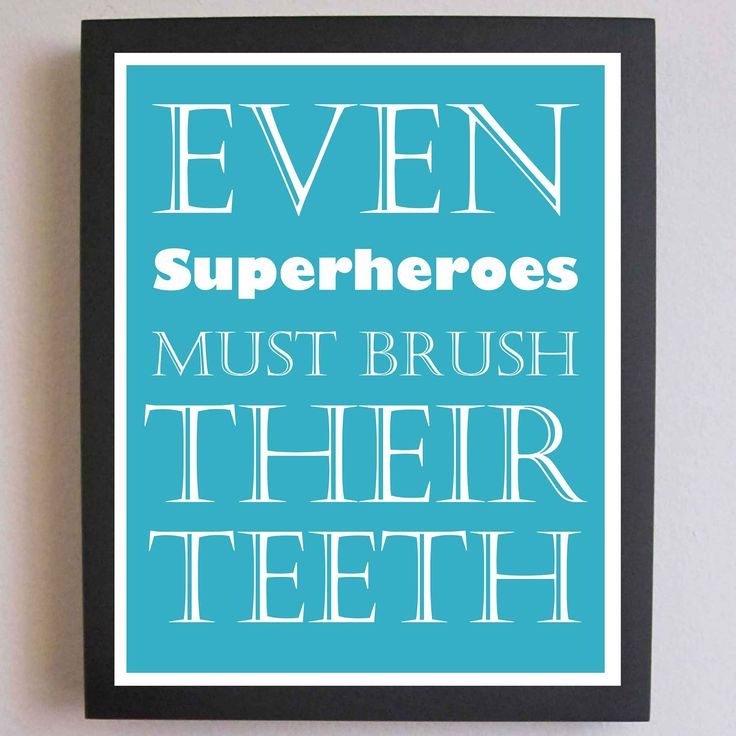
So we had a hubbub, he and I, and we’ve come to an agreement. An understanding. A plan of action. Superheros brush teeth, too, you see. They floss regularly with gusto. They gargle mightily. They epitomize mouth-care and a fighting spirit against germs a-hiding. The proof is seen in any superhero movie, cartoon, or poster; where one is certain to be dazzled by the light reflecting from their pearly white perfection ….

Now, superheros line the sink, the toothbrush is adorned with muscled plastic. Towel cape on shoulders, feet in puffy superhero slippers, he seeks to destroy all hidey-holey bugs that wish to burrow cavities.

Superheros brush teeth, too. Whew. Next, they will be eating vegetables…
superheros

Will she calm down when she grows up?

She always comes in style. 

Her own, that is: purple tutu over jeans and boots, flowered shirt under star-splattered sweater and deliberately mismatched socks, frilly short-sleeve shirts over chunky turtlenecks, her satiny pajamas with princesses on them, or a sheer dress under a sweatshirt along with leggings with holes in the knee.

Added to her ensembles are usually clues to the day she’d had: color splatter from finger painting at school, well placed smudges from lunch (shirts are so much more convenient than napkins!), crusted bits around her mouth that she refuses to wash off, unidentified grime, tears in filmy clothes that were not sewn with monkey-bars in mind.

It drives her mama nuts. Always impeccably put together herself, the mother is forever trying to wipe this or straighten that or offer alternate dressing solutions (that are summarily declined), and cannot contain her sighs and growing despair at her daughter’s flighty attitude toward cleanliness and matched-everything.

The girl? She could not care less. Or rather, she cares plenty, in her own way. Her language delay does not allow much expression of verbal subtlety (yet), but she certainly shows affinity to collating varied fabrics and textures and to weaving together combinations that feel artistically deliberate in an offhanded sort of way. She likes the way she looks. To me, this is more than good enough.

“Let her be,” I tell the mom one day when the little gal excuses herself to the bathroom and the mother follows her daughter’s mismatched wear with agonized eyes. I am admittedly somewhat amused at the perceived gulf between them, which in fact says a lot more about their similarities than differences. They are both acutely interested in how they look. It is just the “how” that may seem different … One immaculately coordinated harmoniously to appease the eye; the other explosively expressive in riotous combinations that cannot go unnoticed for their mishmash.

“It may not be how you’d choose to dress her,” I press, knowing that this little gal’s fashion-sense is pushing her mother well outside her comfort zone, “but there’s beauty in her freedom. She’s four, and she’s got a keen sense of her own being. I think it’s brilliant.”

The mother looks pained but nods in resignation. She understands, even if she does not quite love knowing it. After all, she does let her only daughter leave the house “all messy” and “in awful combinations,” and she generally suffers the seemingly incongruous pairing of the pretty clothes she buys for her not-so-cooperative princess. Ever hopeful, she fills the child’s closet with beautifully matching outfits that the girl turns into wild-combos in a blink of an eye: chunky socks with her patent leather or frilly tights under short jeans.

“I want her to be her own little person,” the mom whispers. “I just wish she was a bit less … how shall I say it … visible about it …”  She blushes then, fussing with the satin hem of her tailored dress with carefully manicured fingers. “Do you think she’ll calm down when she grows up?” she adds, hesitating, vulnerable.

I smile. “I don’t know,” I answer gently. “What would ‘calming down’ mean to you? Or for her? Who would she ‘calm down’ for?”

The water flushes in the bathroom and the little girl can be heard singing “fly me to the moon” at the top of her lungs as she washes her hands (splashing all around the sink, I am quite sure–she finds special pleasure in the way water droplets spatter and in how soap foam squirts between fingers). The mother looks up and we both grin. Such effervescent joy is contagious.

“She’s a free spirit,” she sighs. “I think I was a bit like her, at her age. Then I got too concerned with what others thought … and maybe lost the spark.”

As the little girl prances back to us, she swirls the edges of the tutu peeking under the shirttails of her button-down flannel over holey jeans. She has one brown sock, one purple with blue polka dots. Her tennis shoes have stickers and possibly some grape jelly on them. She’s radiating ease and unfettered delight.

“Maybe there’s nothing to calm down,” I offer. The girl’s a sight, for sure. A balm for sore eyes and achy hearts, too.

Mom takes a deep breath. Nods. She’s working on it. It is all one can truly ask …

beyou

Sky-High Practicality

airplane

Seven hours into a twelve-hour flight the other night, an adorable (and chatty) curly top three-year-old in a nearby row: “Mommy, I don’t want to stay on the airplane anymore. My legs want to run.”

Mommy (sounding similarly fed-up if not run-ready): “I know, Sweetie, but we can’t get off right now.”

Curly Top, miffed, tone slightly rising toward whine-a-thon: “Why?”

Mommy: “Because we’re very high up so we can’t go out now.”

Curly Top: “We’re in the sky, Mommy?”

Mommy, voice disheartened: “Yes … we’re up in the sky.”

Silence. Then Curly Top again, pensive with a touch of wonder filtering in: “Mommy, we flying?”

Mommy: “Aha … the airplane is way up high because we’re flying.”

Another silence, followed by bubbly cheerfulness in the toddler’s voice: “Oh, that okay Mommy! We can just fly down right now!”

🙂

airplane2

Worlds Come Near

moon


When worlds come near

And magic clears

The clouds to form

A halo on the water,

When light reflects

Pure wonder

And no distance

Between here

And heavens —

Life iridescent.

(Super Moon, this past June).

The Best Things in Life

thebest


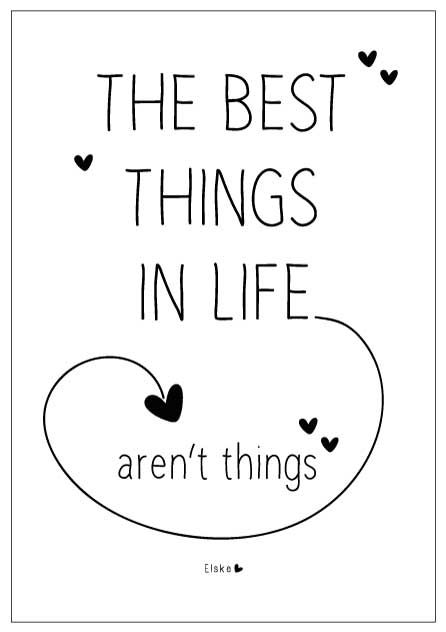
We have likely all been told that “the best things in life aren’t things.” It rings true enough, and it feels nice to say it–to know that someplace it is Truth–and yet the knowing gets askance too often. Not because we don’t believe the veracity of the declaration, but because it is difficult not to value “stuff” or to ignore the very tangible importance of “things.”

It is not about possessiveness or being greedy, even: “stuff” does very much keep us alive. We all need food, shelter, clothing, blankets to keep us warm, diapers for the baby, books and school supplies, dishes, pots, good shoes. We may need–in varying necessities–phones and computers, cars or bikes or Metro-cards, refrigerators, a place and way to cook, wash our bodies and our clothing. We certainly all require clean water, healthy air, protection from the elements, from violence and harm. We need care in time of illness.

(For more about helping provide clean water, check: Charity:Water)

In our Westernized, motorized, modernized, accessorized life, we may indeed require quite a few “things” to allow us to get to, do, and keep our job. We need to put aside resources for a rainy day (and may need gutters and galoshes for a similarly more literal day, too). We better save for retirement, consider life insurance to protect dependents if we have them, ask for a raise if we had earned it, quote fair payment for our services.

It is easy to look at sayings about “the best things in life aren’t things” as overall smile-worthy but not terribly practical realities. Something to say when one wants to comfort another who lost their life’s saving in a market crash, their house to a fire, or their designer boots to slushy sidewalks. It is something to tsk-tsk about when a “thing” awakens the small green nibbling worm of jealousy, or when we witness outright excessive greed.

And yet, even with the “things” we need and the “stuff” we want and the possessions we accumulate, require, and acquire–the Truth remains: The best things in life indeed are not things. No matter how much we need things, items, technology, materials and goods and measurable contents; these items are not what a best life make.

Connection does. The togetherness of happy moments. The contentment of a job-well-done or of creative engagement. The giggle of a baby, the eye-contact that brings on an attack of silly belly-laugh. The exhalation of waves upon the sea, the whisper of leaves in the forest or the big-sky of the prairie. These are the makers of best lives.

As is Love, as is Beauty. The warm breath of a sleeping toddler in your arms. The mere presence of a loved one. A memory of fondness. A swell of gratefulness. The depth of prayer. Awe. Hope. Faith. More love.

Those are the things that are not things and yet make the “stuff” we need, worth having. They give meaning to keeping our bodies and our souls connected, help us get through the times when “things” turn scarce and worries many. They make life thrive. They are how tapestries of hearts are woven.

The running feet of little ones, the concentration on their earnest faces. The solving of a pesky problem. An ‘aha’ of understanding. A common bond. The wonder of belonging, rather than belongings. The sweetness of a ripe fruit. The saltiness of tears overflowing a full heart. The blessing of knowing.

May the things that are not things keep a full presence in your soul’s pantry, may your mind be rich, and may you never go bereft of wonderment and heart-ship.

Photo Credit: S.E.

Photo Credit: S.E.

Letter to the Editor, NYTimes: What we DO know!

If there’s anything we can learn from the media’s flurry over Woody Allen’s family, choices, priorities, and consequences, let it be about the all too frequent realities of children’s unnecessary pain …

My letter to the Editor of the NYTimes, published today:


May no child be left bereft of knowing where to turn or have their needs frozen away, obscured by others’ closed minds or hearts.

now where...


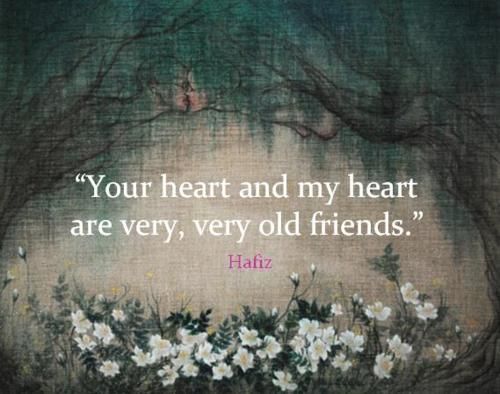
Heart Friend

oldfriends


Let the sun rise on mornings

After nights of the soul

Long and dark

Cold with fury and worry

Seeking hold on

Tangled walls.


Let the sun rise on mornings

My heart friend

Worry naught.

Our hearts know

There are quarries

Earth alone

Leaves unsought.


Let the sun shine

On mornings

Bright as dawn on the sea

Fast to shed

All the fretting

Laughing, bursting to be.


Let the sun rise on mornings

One more time

Or few more

There are tides still awaiting

To curl foam

On your shore.


Let the sun rise

Within you

Have no fear

Time goes on.

It’s the soul deep within you

Knows the way

As it may

Not alone

Journey home.

sunrise

Let the Road

Let the road

Take you home

road1


Let the path

Call your spirit

road3

Let the sky

Draw your eye

road2

To the line

To the fairies

road5

Do not fear

The dark road

road4

Do not fret

Paths so endless

road7


There are stairs

Up to heaven

There are rails

Bound for home

road8


Let the road

Find direction

And a handhold —

Lean on


road9


As the road

Marks your steps

road10


Leads the way

Takes you home.

road11


Heartbeat of love

heartbeat

The little boy had a difficult beginning. Born unwelcome, left at an orphanage in a rural area overseas, raised in a crib in a room full of other babies in cribs–bereft of stimulation or affection or even much in the way of nourishment, when funds at the orphanage were low.

He was among the fortunate ones who survived infancy, and was adopted at age two, to parents who showered all the love they had on him and then found that they had even more to give when that threatened to run out. He was not easy to care for, you see. Unresponsive, non-communicative, alternately rubbing himself against their legs like a kitten, squirming to get off, or slumping like a lump of potatoes in their arms. He either cried inconsolably or stared stoically. He would eat things that should not be eaten and hide foods that should. He could not fall asleep unless he was in an empty bed, never a quiet room, and only after a long while of rhythmic head banging. He barely spoke. Only sometimes responded to his name. It was not looking good.

Fortunately, these parents had excellent instincts, stout souls, and good guidance. They sought help to know how to best assist a child so traumatized that he had learned to take himself away to cope. How to support a child who did not know others could be relied on. How to guide into love a child who did not recognize affection as markers for attachment or caring. They did not believe those who said that their son was autistic. “Maybe he is,” they argued, “but how could we know if he’s autistic, if he never had a chance to truly communicate?”

They sought other opinions and took him to speech language therapy and sensory therapy. They went to counseling themselves–there was much heartbreak to deal with in finally having a child and finding him unwelcoming of love. They looked for help with someone who understood developmental trauma and the adjoining dissociation that often follows–they wanted to know more how to best support him. They knew just loving him more was not enough: they had to find a way to help him process what he’d lived before he could find hope to live differently. Together with professionals, they worked to help give voice to what had none, they walked with him along the story of his lost beginning and his suffering and his strength and masterful coping and his current safety. He needed to know it in all of his being before he could trust it. Gently, they helped him heal.

Persistent gentle kindness integrated with knowledgeable attention and direction helped. The child bloomed. He is no longer checked out from his world, or words, or feelings. He’s in first grade now. Still closing gaps in language and communication, and he may always carry scars from his early years and a plausible exposure to substances before birth that make it difficult for him to regulate his body’s reactions and excitement. However, a more affectionate little boy you would be pressed hard to find. He’s happy. He knows he’s loved.

Not too long ago we were busy with a task where we listed things one does in the morning, or after school, or on weekends, or in a mall, or a park, or before going to sleep at night. To the last he said: “take a bath, brush my teeth, read a book, put my head on mama or papa’s chest.”

I smiled at that–the mom told me that they had a nightly routine where they’d cuddle, making up for the many lonely nights of empty cribs and no arms to rock him. They would snuggle together for a while, let him use them as a pillow, then kiss him goodnight. The parents had held him most the night when he was younger, once he let them.

The boy nodded at me, maybe taking my quiet smile as a sign that he needed to convince me of the veracity of what he was saying, or its importance. “Mama is softer, …” he continued, “and papa’s chest boo-booms louder. I like it. It makes me feel nice inside and it helps me not feel like I have to bang my head.”

Enough said.

Let your heart break if it must

compassion


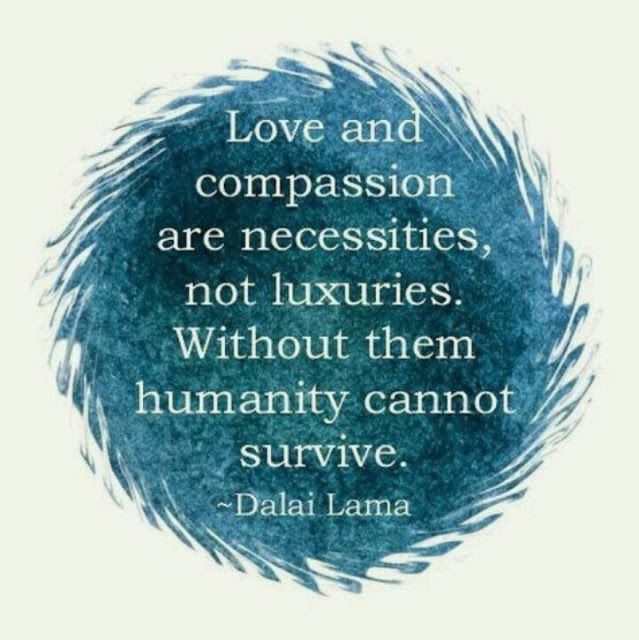
Be loving, be compassionate.

Let your heart break if it must–for it will, possibly often–it softens the edges as the heart expands along the broken places to make room to hold more love alongside an improved understanding of tenderness. Heartbreak is the process of growing.

Let your heart smile whenever it can–there is much joy to find, even in the midst of hardship–it warms the spirit and fills the tender places with the bubbly gentleness of connection. It makes the insurmountable, possible. It makes aches be shared. It lightens the burden others carry.

Be kind. Be patient. Understand hardship. Accept pain. Offer comfort. Withhold judgement: there is no weakness in need.

We all need one another, at one time or another. The cycle of life turns so that where you might have needed to be held, you are now called to do the holding. And it is as it should be. It is as it was meant to be all along even if we could not know before.

This is how we all are–all connected, interwoven through lifetimes of experiences and shared moments together. Moments pass, shift, change; the connection lasts forever. No matter where life takes you–or the other–heart care does not become undone. It becomes a foundation, a tapestry of souls and knowing, a universe of kindness intertwined.

Hold tenderly to those close to your soul, deepen the love you have for them even as you open your heart to include more and more people. You can do this. You will find the room: hearts stretch. Your heartstrings will grow long and many, and you’ll be richer for it. Worry not. Hearts that practice holding more compassion can contain more love than you ever thought possible … and can grow more loving still.

Kindness matures the heart and raises it. Love heals. Cultivate kindness. Fund love. It is the currency of human nature in its best. It is what makes us who we truly are.