Devilish

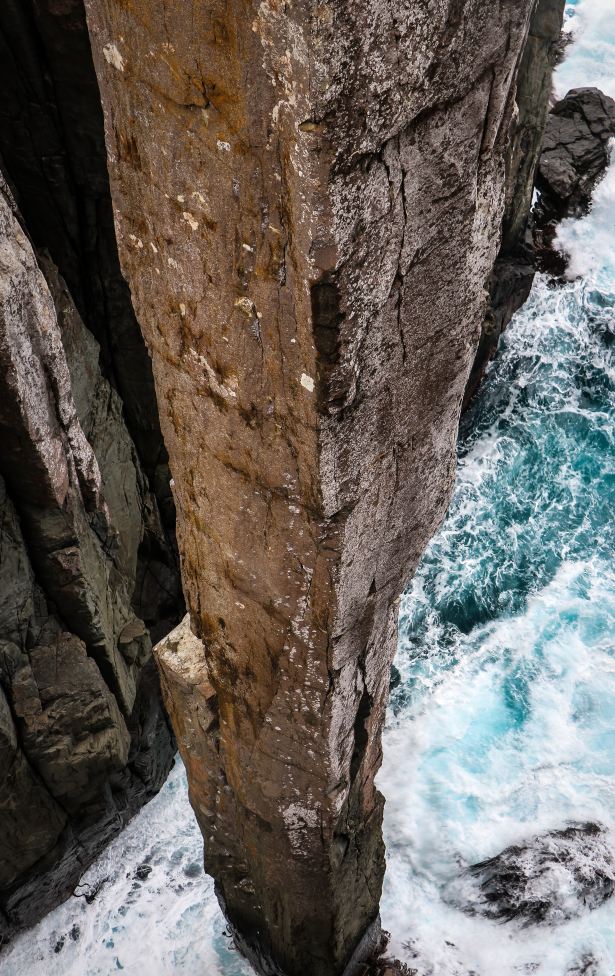
steve-bruce-AoTcgNWfmiQ-unsplash

Photo: Steve Bruce on Unsplash


“It was the devil made those,” Aunt Beulah’s eyebrows almost met above the bridge of her nose.

“They’re just a form of volcanic rock, cooled down in a specific way …” Jedidiah tried.

“By which you mean, the devil.”

Jedidiah sighed. There was no way to reason with his relative once her mind was set. Science would find its way to be in service of her beliefs, and any fact would somehow be turned into further proof of her conviction.

In some ways, he knew, he was no different, only that his spiritual experiences had more to do with being one with the rock, fingers holding on to crags, feet clinging to the surface, defying gravity, confronting his mortality.

“You go climb the devil’s work,” Aunt Beulah muttered. She’d raised him and saw herself in his stubbornness. “And I’ll be in the church praying for Jesus to keep you from dying.”


For What Pegman Saw: Tasmania, Australia


No Big-Mart


“It says this way to the manor,” Doug tugged Lily’s sleeve.

“I know,” she shrugged to release his hold. At thirty-four, he was really quite too old to tug on clothing for attention.

“So why are we going in the opposite?”

She wondered how it was that there was a time when the nasal tone of his petulance didn’t bother her. Had she simply ignored it in the beginning, when infatuation took precedence to logic? Doug was still easy on the eyes, but her heart had become wiser.

“Because the manor will still be there later, while this Farmer’s Market stall might not.”

“What’s wrong with Big-Mart?”

Her lips tightened. She couldn’t believe he actually whined. “Big-Mart has no proper food. Everything’s processed. And anyway, I’d much rather support local farmers than corporate executives.”

She cringed at the sound of her own voice. She’d become her mother. To her boyfriend.


For Crispina’s Crimsons Creative Challenge #57


Relative Loudness

jessica-lewis-4VobVY75Nas-unsplash

Photo: Jessica Lewis on Unsplash


“It’s way too loud!”

Maria smoothed her skirt. Her mother’s sense of what wasn’t “too loud” was limited to washed-out grays, faded pastels, and the kind of drab that would put even a hyperactive child to sleep. “I like it.”

“You can’t possibly think you’ll get the job dressed like this.”

Her mother always went for the jugular.

Maria shrugged. She’d learned the hard way that to show her wounding only meant that more of it was certain to be dished out.

“Don’t come crying to me when someone more professional gets the position,” her mother added.

“Thanks for the support, Mom,” Maria sighed. She grabbed her bag, checked to see that the bus card was in her pocket, and walked out, deliberately ignoring the foyer’s mirror. She’ll give herself a final once over later, against a store’s window or parked car if she needed to. Any reflective surface would be more forgiving than her mother’s eye.

Some days the anger churned inside her like a witch’s noxious brew. A dash of fury, an evil eye of newt, a cup of resentment, a clump of shame, a fistful of sorrow, all stirred with the bone of a dog left to die in the street under a full moon.

“She can’t help it,” Sam, when he was still around, would try to soothe her. He was spared the worst of their mother’s tongue-lashings, being a boy and therefore less intrinsically prone to disappointing her. But he was well aware of how their mother’s wrath was doled onto Maria, and he’d even take blame where he could, knowing he wasn’t likely to be punished for the same misdemeanor, and that he’ll get off lightly when he was. “Mom sees in you everything she wants to be and cannot.”

It was truth. It was also small consolation.

“I can’t help it that she had less opportunity,” Maria would pout in answer. “It’s not my fault she was kept home to raise her siblings and never got to finish school. It’s not my fault she feels unable to try anything, or that Dad liked pointing out how uneducated she was.” And still … more often than not Sam’s reminders of where their mother had learned criticism toward daughters, and of the inordinate amounts she’d had to put up with, did help awaken a measure of empathy.

Some days less than others, though.

And on this particular morning Maria had very little of it to spare.

She’d worked hard to prepare for this job interview, and she’d put much thought into the clothing she selected. The turquoise top and a the splash of magenta in the beaded necklace were meant to put a bit of color in her pale complexion. She coupled that with a dark blue skirt with a banana-yellow belt. A matching silk scarf was tied around the handles of her rather overtired bag. She wore a single turquoise bangle on her wrist, and the dark blue pumps she’d kept for special occasions. Her hair was pulled back from her face behind one ear to reveal a single studded earring, and fell in soft curls over her cheek on the other side.

She thought she looked nice. Till her mother’s acid raised welts of doubt.

A whistle sounded and she turned around fully prepared to frown, only to have her lips turn up when she saw the whistler.

“You look glam!” Her eighty five year old neighbor leaned onto his rake and grinned at her through few remaining teeth. “Big day?”

“Hi Mr. Green,” she smiled back. “Yes. I mean, I hope. Job interview.”

“Ah,” he nodded sagely. “And you sure do look the part! Go get ’em! And don’t you let yourself worry none. Tell them all the good things that you are and can do, and don’t you be shy about it, either. It’s is your time to shine, so you go ahead and speak up as loud as anything. Show them who you are so they not miss the chance to employ you. And swing by on your way back to tell me how it went, will you now?”

She nodded. She did not trust her voice …

But her heart felt warmed and her feet were lighter as she walked toward the bus, every window reflecting rosy cheeks and a sparkle in her eye.


For Linda Hill’s SoCS challenge: Loud


Backdrop

Photo: Sue Vincent


They were cold to the bone, but it did not matter once the light broke out to illuminate the edge of clouds.

“We’ll be home soon,” he breathed into her neck.

“I know,” she whispered, her teeth no longer chattering. She’d stopped feeling her toes so long ago she almost forgot she had ones.

It would have worried her, in the past. The risk of frostbite. Amputation. Loss of the ability to walk.

Not anymore.

They were beyond all these things now.

They were going home.

For the rest of time.

“How long?” she asked, fretting a bit in spite of herself. She never found transitions as easy as he had. Especially such big ones. Especially those that were irreversible.

“Soon,” his voice was barely audible but she felt it reverberate through her chest. The finality of it.

The knowledge.

His strength.

She sighed, and though he did not move she knew that he was smiling.

Another moment passed. Or perhaps it was an hour. She’d lost track of time now that it made no difference.

As her body chilled, her eyes stayed focused on the shimmering curtain of light. Its movement became the backdrop to the last views she will ever have of Earth.

Before it neared enough to carry them.

Home.

For all the eras yet to come.


For Sue Vincent’s Write Photo Challenge


On Hands

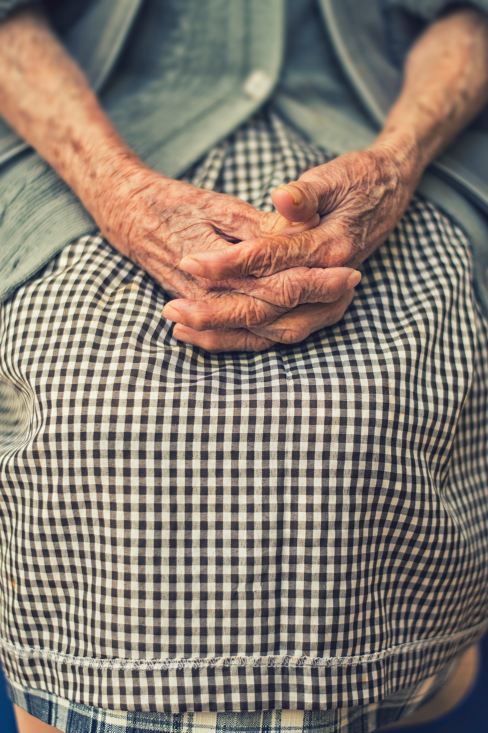
cristian-newman-CeZypKDceQc-unsplash

Photo: Cristian Newman on Unsplash


To hug or to press

To hold and caress

To dismiss and impress,

To allow or forbid

To prevent or insist

To farewell and to greet,

To disrupt or respect

To allow or reject

To indulge or inspect,

To stop or invite

To instruct and ignite

To appease or incite,

To disarm and to heal

To pray and reveal:

Hands speak truth

Or conceal.


Inspired in part by Steve McMurry’s: Silent Language of Hands


You’ll See

Photo prompt: © Mikhael Sublett


“You’ll see,” he lifted the mallet to strike again.

She cringed as plaster and glass and bits of home clattered to the ground. Every resonating thud another shattering, another ruin, another wound that would not heal.

She bit her lips and knew she’ll never be the same.

For not stopping him. For not standing up to him. For not listening to all who’d warned her that he was a loose cannon who’d bring only sorrow. For insisting she loved him.

She saw now.

And stood silent as his mallet dented will. Her life in shards, devoid even of tears.


For Rochelle’s Friday Fictioneers

Note: Dedicated to all who live with violence and do not know a way out into help. Know that there is always hope, that you deserve a chance to heal, and that you need not carry shame.


No Time

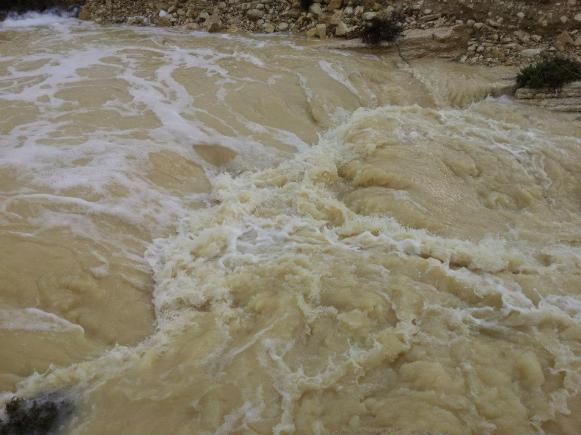
flash flood OfirAsif

Photo: Ofir Asif


She ran into the camp,

Braids streaming behind like ribbons

In wind,

Determined to be

Unbound

For a time.

The women raised their heads,

Weary from tending to

Crops and overtired babies.

This time of year was plentiful in many things but

Not in time.

“What is it, child,” her elder asked,

The rhythm of rocking the cradles of milk

And infant

Adding a lilt to her aged voice,

Raspy from smoky fires and chaff

Of time.

“Help,” the young one breathed,

And stalled,

Needy of air and flooded by sudden doubt.

“Speak up, child,” her mother snapped,

Tight with worry for a girl-child

Chased home,

And the shadows

of another time.

The camp stilled.

A baby woke in cry.

“Come help,” the lass repeated, indignant,

No longer shy.

“The creek rises and a cow is screaming

Across the arroyo.

We have no time!”


For the dVerse prosery challenge


The Farm

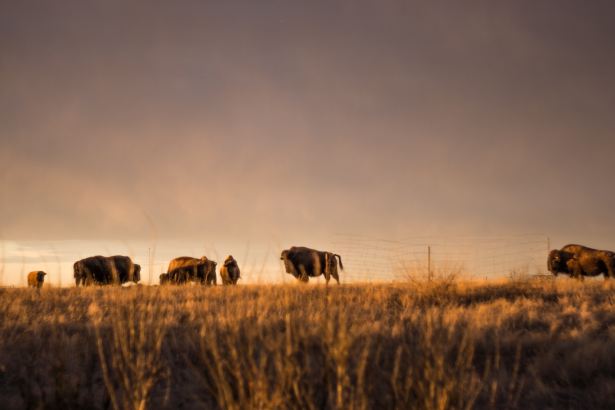
weston-mackinnon-nl4t7NlIurc-unsplash

Photo: Weston MacKinnon on Unsplash; Saskatchewan, Canada


“Look Papa!” the boy’s voice rose in excitement.

“I see,” the man replied. His deep voice resonated in the small space.

“You didn’t even move your head,” the young eyes narrowed in suspicion.

“I did not need to.”

The child exhaled and shook his head and the movement reminded the man of a yearling. Impatiently straining at the edge of youth, eager to race headlong into life.

The man eased the pressure on the pedal and moved his foot to the other, stopping the car.

“I am looking now,” he smiled. “Thank you, Son.”

The boy’s eyebrows rose but he asked nothing. They watched the buffalo together, the sun and field and beasts a golden-brown.

“Is this their farm?” the boy finally asked.

“It is their home,” the man replied. “The farm came to live on it.”

The boy nodded, his ancestors evident in his soulful eyes. “They are like us.”


For What Pegman Saw