People’s Climate March

People’s Climate March NYC — Adam Smith

Today, in NYC

And all around the world

The People’s march

For Climate, for

The world

That we live in

For the children

To whom we will leave it

For the living beings

That need to breathe

And feed

And grow.

One march

One purpose

In New York City

In Paris, London, Amsterdam

Sidney, Stroud, Zurich

Genoa, Rio, Rome

Melbourne, Munich

Brussel, Brisbane, Berlin

New Delhi, Kathmandu, Canberra

Huddersfield, The Hague, Hyderabad.

A People’s march

For the climate

For the blue marble

That holds us all together

On its surface

And that we must hold dear to

In our doings

In our hearts.

Writing Voyage

writing voyage1

People ask me, “Why do you write?” and my inner retort often feels like: “Why do you not?”

I don’t usually reply this aloud, however. I realize that such deflection is far from giving an answer, and that there are probably as many reasons to write as there are not to. Belonging to the former group, I cannot imagine life without words put down on paper and/or screen, even if I know it is not the only way to live. So it stands to reason that there would be those from the latter group who find in quite confounding to imagine why one would want to type letters onto screens for recreation.

Why then, do I write?

Beyond the obvious to me “because I do …”, my answer varies, but it often returns to “because it feels as natural as breathing and just as necessary.” Writing is essential to me. It feels like home. It is the place of flow, even if not always of comfort. Writing takes me places that I never knew I would be visiting, into mind-nooks and crannies I’ve forgotten I had known and some that I never owned and yet somehow remember. Writing deepens how I think, what I comprehend, how I understand it. It plumbs my heart for meaning and compassion, it weaves my thoughts so that they make a tapestry from smallish bits of living. Words offer vistas that lie hidden under the everyday, patiently (and not so patiently) waiting to be breathed onto page and screen.

 To me writing is often fun. The best kind of delight, when I am immersed and floating down creative currents. Though some parts of writing can be tedious, they are to me never boring. Words paint pictures within me. They have me revisit. They bring alive people and places. They animate thoughts, realities, events, suspense and resolution. More than anything, writing surprises me. It is as if stories unfold and I am naught but the typist of their unveiling, a tool for their formation.

I write because I can, and because it seems impossible not to.

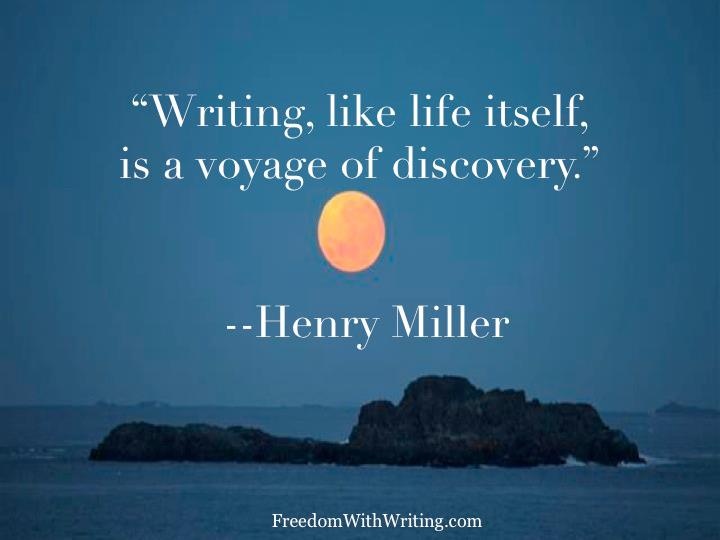
As Miller said, “writing is, like life, a voyage of discovery” and it is one to which I do not want to say good-bye.

If you, reading this, write: would you share why?

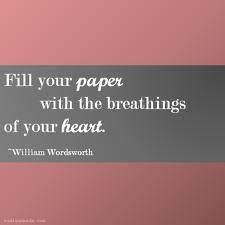
Write the breathing of your heart

writebreathe

People ask me how I find the time to write. Though I know they often come from a true query, it never fails to puzzle me … For I don’t see how I could not find the time, when to me writing is like breathing. Writing is my heartbeat.

“How do you find the time to breathe?” I want to ask them back. “How do you make time to see, or hear, or learn, or live, or laugh?”

My heart beats in words. It strings them into sentences and puts them forth into the keyboard or the page. There is magic in writing, certainly. It is not something to claim to own but to allow the flow of. It has in it old life and lives that never happened or might or have not yet been found. It embroiders the fine threads of reality and mystery, interwoven as they are through the uncountable miles of words already written by those who came before: their words that I’ve read, their books that scratched their essence into my soul and changed me, the writers who forged manuscripts out of molten core, the teachers who chiseled rawness into finery, the poets who strung words into daisy chains of soul.

It is a force of nature, writing is. A cumulative tide. A mirror of what is and what could be and what still is hoped for. It is a pool of stillness and a roiling sea.

Writing does gather light from the eyes that read it. Through them it reflects the recognition of what unites all spirits, amplifies the rhythm of all hearts, connects the pace of tides, anchors the pull of moons into the hopes and dreams and grime and steepest climbs. Reading eyes infuses writing with continued life. It strengthens words that last into tomorrow. It is as it should be. Writing is meant to be read.

In its nascent state; however, writing unfurls shoots of new breath into pages for the pure joy of its birthing. It evolves for the very marvel of the stem unbending and the leaves uncurling and the buds of something that could never be imagined until it came through, come true.

“Where do you find the time to write?” I’m asked. “I wish I had the time to write, as you do,” some say. “It must be wonderful to be able to make time for writing,” they comment.

And I don’t know the answer for the ‘where’ or ‘how’ or ‘when’ questions. Nor do I have the key for finding more time (though I wish I did, with writing a vast ocean and only splattered drops finding their way into the daily grind). I do not know where one finds more time for living, when life happens to move through already, interlocking stories as we go. The wonder of the writing I do get, however. The deep gratitude for being allowed the magic in the heartbeat, in life’s pace.

“Writing is like breathing,” I want to tell them. “I can no more cease to do it than I can hold my breath. Oh, for a moment, surely, but not much more. For the words fight back and breathe me and sneak out … as they should. They are my heartbeat. The pulse that crosses time and space to hold together human thought, invention, wonder; life.”

I write because I breathe.

Why do you write?

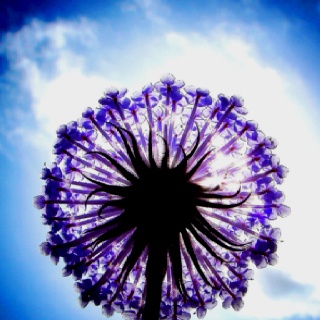
dandelion

The Best Things in Life

thebest


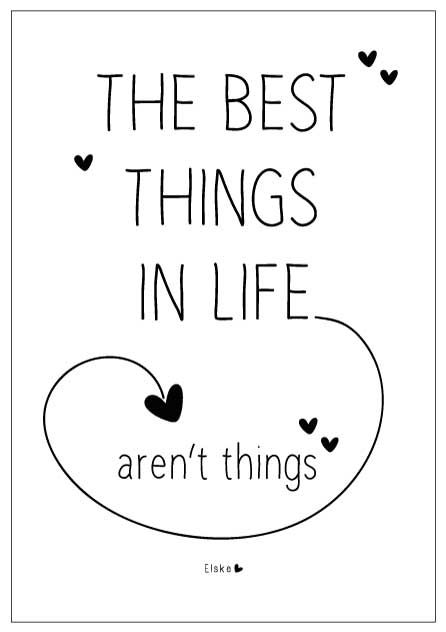
We have likely all been told that “the best things in life aren’t things.” It rings true enough, and it feels nice to say it–to know that someplace it is Truth–and yet the knowing gets askance too often. Not because we don’t believe the veracity of the declaration, but because it is difficult not to value “stuff” or to ignore the very tangible importance of “things.”

It is not about possessiveness or being greedy, even: “stuff” does very much keep us alive. We all need food, shelter, clothing, blankets to keep us warm, diapers for the baby, books and school supplies, dishes, pots, good shoes. We may need–in varying necessities–phones and computers, cars or bikes or Metro-cards, refrigerators, a place and way to cook, wash our bodies and our clothing. We certainly all require clean water, healthy air, protection from the elements, from violence and harm. We need care in time of illness.

(For more about helping provide clean water, check: Charity:Water)

In our Westernized, motorized, modernized, accessorized life, we may indeed require quite a few “things” to allow us to get to, do, and keep our job. We need to put aside resources for a rainy day (and may need gutters and galoshes for a similarly more literal day, too). We better save for retirement, consider life insurance to protect dependents if we have them, ask for a raise if we had earned it, quote fair payment for our services.

It is easy to look at sayings about “the best things in life aren’t things” as overall smile-worthy but not terribly practical realities. Something to say when one wants to comfort another who lost their life’s saving in a market crash, their house to a fire, or their designer boots to slushy sidewalks. It is something to tsk-tsk about when a “thing” awakens the small green nibbling worm of jealousy, or when we witness outright excessive greed.

And yet, even with the “things” we need and the “stuff” we want and the possessions we accumulate, require, and acquire–the Truth remains: The best things in life indeed are not things. No matter how much we need things, items, technology, materials and goods and measurable contents; these items are not what a best life make.

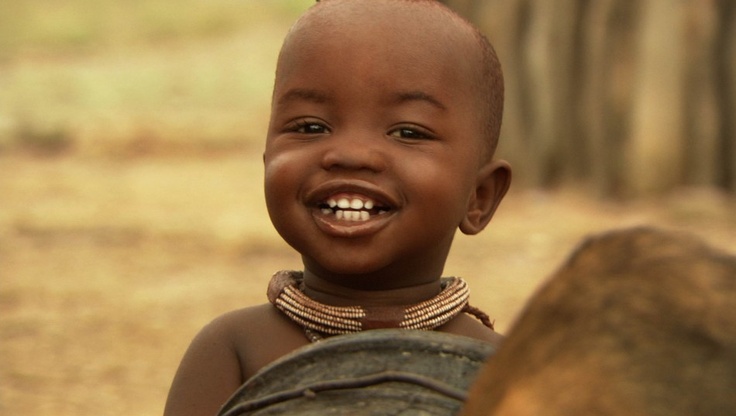
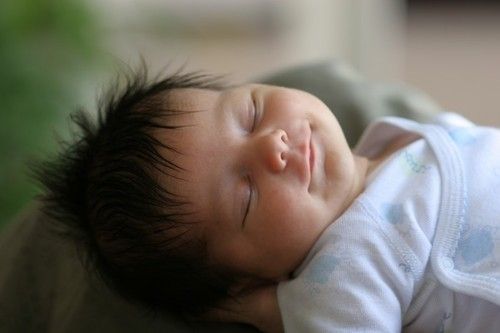
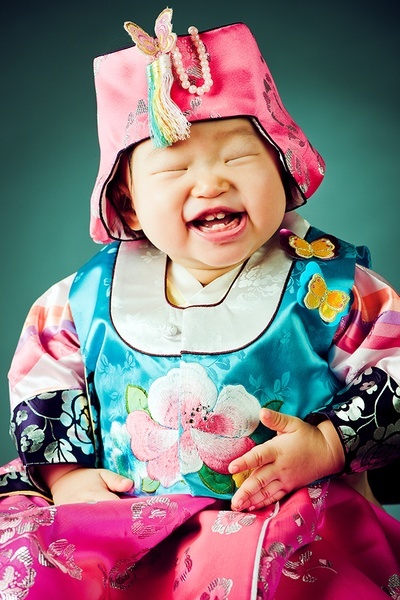
Connection does. The togetherness of happy moments. The contentment of a job-well-done or of creative engagement. The giggle of a baby, the eye-contact that brings on an attack of silly belly-laugh. The exhalation of waves upon the sea, the whisper of leaves in the forest or the big-sky of the prairie. These are the makers of best lives.

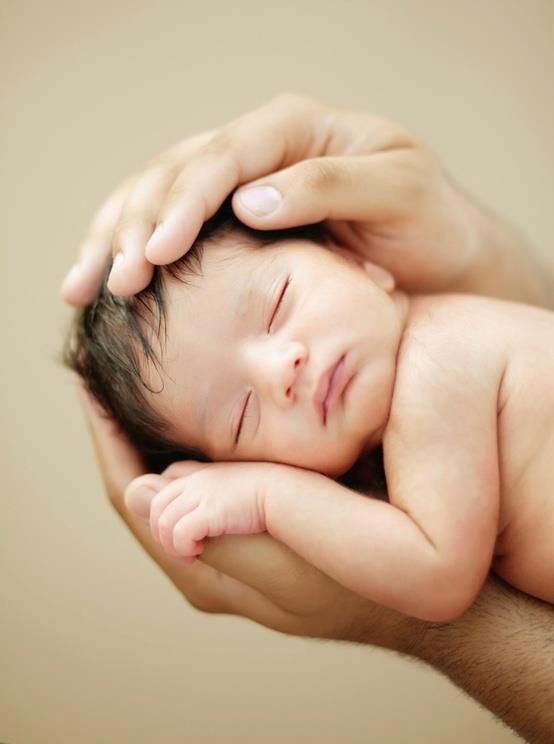
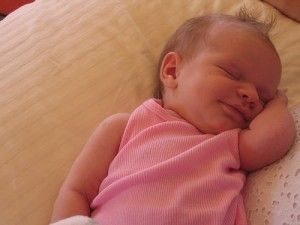
As is Love, as is Beauty. The warm breath of a sleeping toddler in your arms. The mere presence of a loved one. A memory of fondness. A swell of gratefulness. The depth of prayer. Awe. Hope. Faith. More love.

Those are the things that are not things and yet make the “stuff” we need, worth having. They give meaning to keeping our bodies and our souls connected, help us get through the times when “things” turn scarce and worries many. They make life thrive. They are how tapestries of hearts are woven.

The running feet of little ones, the concentration on their earnest faces. The solving of a pesky problem. An ‘aha’ of understanding. A common bond. The wonder of belonging, rather than belongings. The sweetness of a ripe fruit. The saltiness of tears overflowing a full heart. The blessing of knowing.

May the things that are not things keep a full presence in your soul’s pantry, may your mind be rich, and may you never go bereft of wonderment and heart-ship.
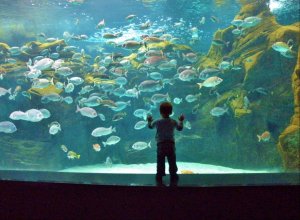
Photo Credit: S.E.

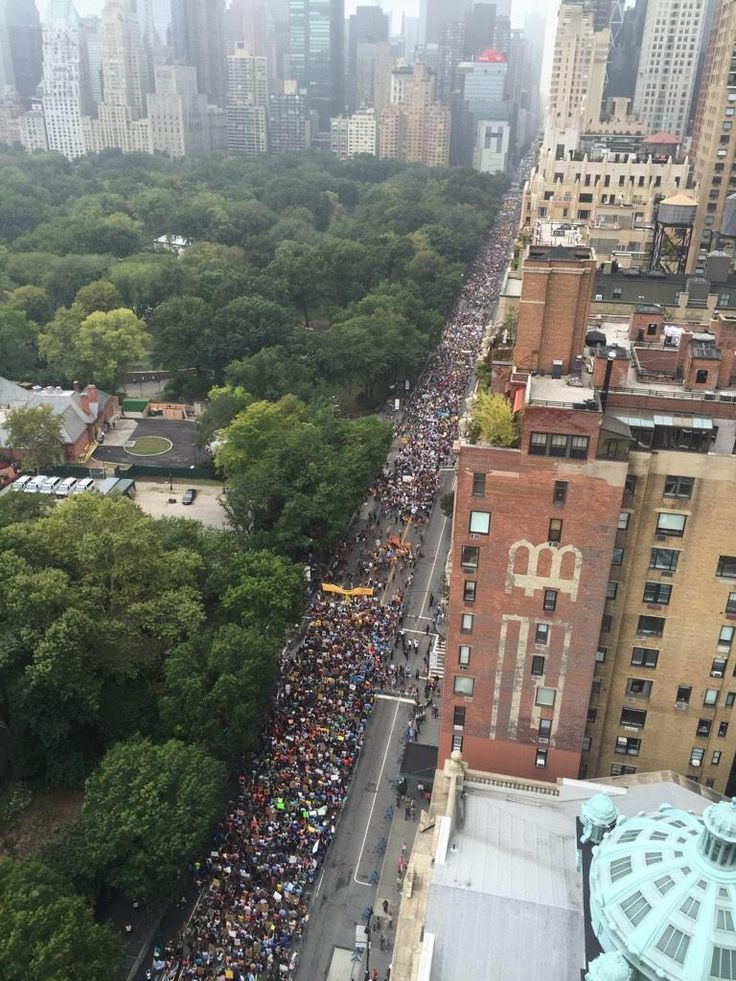
Photo Credit: S.E.
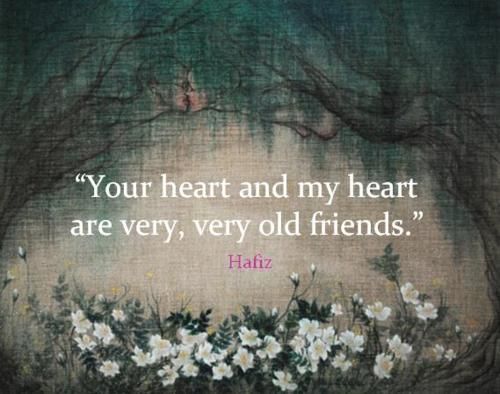
Heart Friend

oldfriends


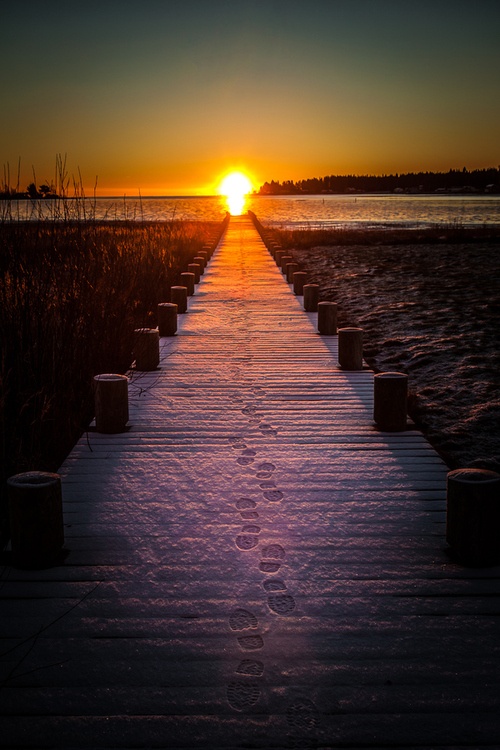
Let the sun rise on mornings

After nights of the soul

Long and dark

Cold with fury and worry

Seeking hold on

Tangled walls.


Let the sun rise on mornings

My heart friend

Worry naught.

Our hearts know

There are quarries

Earth alone

Leaves unsought.


Let the sun shine

On mornings

Bright as dawn on the sea

Fast to shed

All the fretting

Laughing, bursting to be.


Let the sun rise on mornings

One more time

Or few more

There are tides still awaiting

To curl foam

On your shore.


Let the sun rise

Within you

Have no fear

Time goes on.

It’s the soul deep within you

Knows the way

As it may

Not alone

Journey home.

sunrise