Rawson Rise

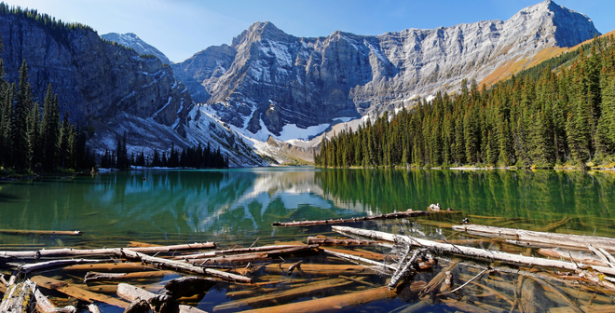
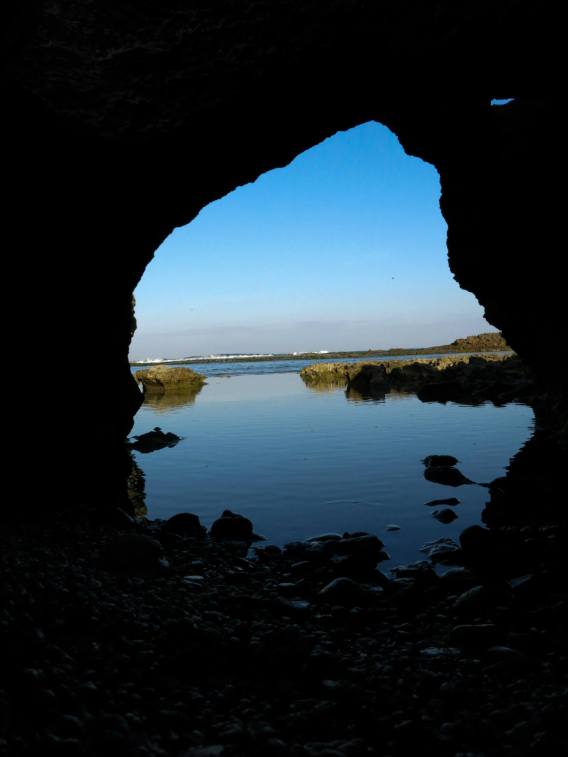
Rawson Lake Photo by Jack Ng

Rawson Lake; photo: Jack Ng


It was their last day by the lake. The weather was perfect and the air was so crisp it squeaked. She inhaled deeply, savoring every moment. By that time tomorrow she’d be stuck in rush-hour traffic.

“See?” he pointed. “Even wood can’t keep its head above water at some point.”

She snuck a hand into his and squeezed. She wished she could give him sips of this place during what was to come. She wished she could tell him this round wouldn’t be as difficult as the ones before. That this one would work. She didn’t know if to hope or fear it being the last. It shattered her that she no longer knew what he hoped for.

She gathered the light around her, kissed his baldness, and rose to stand.

“For now, my love, let’s float.”


For What Pegman Saw: Rawson Lake Canada


Kind of Famous

Rose DvoraFreedman

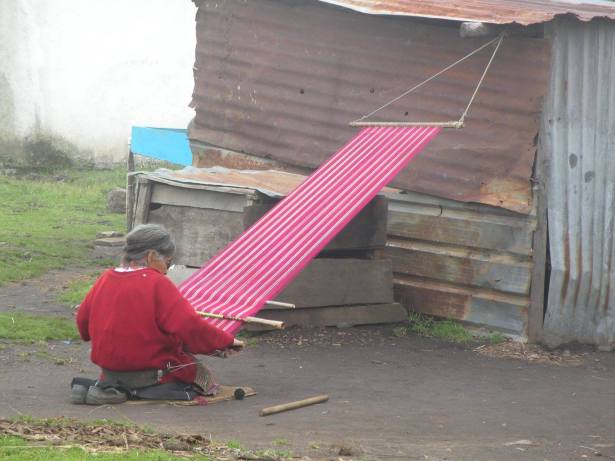
Photo: Dvora Freedman


“I’ll be famous,” she said, twirling and eyeing her reflection in the mirror. She was wearing a particularly twirl-worthy skirt and a shiny pair of sandals.

“Yep, famous,” she repeated with finality. She spun a few more times then stopped mid-turn to face me. “Do you know what famous means?”

I raised an eyebrow in half-query, half-invitation. Children’s explanations are immensely more informing than anything I might attempt to guess at.

“It means everybody knows you and everybody likes you a lot.”

“It does?” I lent a slight undulation to my voice in what I hoped was just a smidge of challenge for the second part.

She’s a perceptive little one. She caught it. Paused. Frowned. Pursed her lips and pursed them again in front of the mirror to inspect the effect. “Well, everybody knows famous people,” she countered and puckered her lips a few more times to make a point. “But … maybe not everybody likes them?”

I smiled and raised my eyebrow again.

She straightened and crossed the room to lean into me. “Because some famous people can be bad?”

I wrapped an arm around her shoulders. “Some. Sometimes people get famous but not for very good things.”

She nodded into my side. “Like Hitler and … you know?”

“Yes. Hitler … and some other people … are known for doing very very bad things.”

“I don’t want to be that kind of famous.”

I gave her a squeeze. “I understand. I wouldn’t worry … You are nothing like that … You have a beautiful, loving, caring heart. It’s not a bad thing to want to be famous. Most famous people aren’t bad. Most people in general aren’t bad. Famous and not famous ones.”

She leaned into me a moment longer. She knows hardship. Young as she is, the pain of cruel actions isn’t abstract to her.

I took a deep breath to remind her she was safe. She followed. Took another. Shook the pensive worry off and looked down into her magnificently twirl-worthy skirt.

“Well,” she stood and made a quick half-turn, watching the edges of the fabric lift and roil and dance and fly. “I’ll be the good kind of famous.” She walked back to the full-length mirror to reinspect her reflection. “The beautiful heart kind …”


For The Daily Post

For The Long Haul

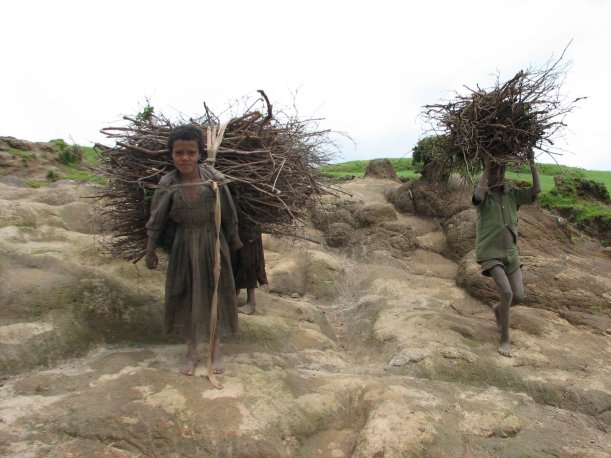
Ethiopia6 DvoraFreedman

Photo: Dvora Freedman


In places too many

On this one blue-green ball,

Children haul

More than the weight of firewood

On their backs,

Big or small.

Sorrow, loss, illness, agony

Needs unmet

Unheard calls …

Yet they are all

Our children,

Their pain is our

Shortfall.

They are worthy of better:

In the now

For the future

For humanity’s long haul.


For The Daily Post

The Lost Quartet

fishbowl


He reached into his pocket and rummaged around. “I’ve brought something to show you,” he said, eyes searching mine. “But it’s a secret …”

“Oh?” I offered.

“Well, sort of,” he shrugged as an uncertain smile worked its way into his cheeks. “I took them to school … but I didn’t tell anyone … because we’re not allowed to … The teacher woulda’ taken them away and other kids maybe woulda’ told her or asked to see them and then she’d know …”

I hiked my eyes up and nodded my expectation.

The grin grew but it still held a sheen of sad.

He pulled his fist out of his pocket and turned it so the back of his hand rested on the table, then ceremoniously uncurled his fingers.

Four grains of rice in tiny vials, strung onto a keychain ring.

“They have names on them,” he said reverently.

I squinted and reached for a magnifying glass. Handed him one.

Our heads met over the small nest of palm and he mouthed the words, more sigh than voice.  “Fee, Fi, Fo and Fum.”

A quartet recently eaten not by a giant smelling the blood of an English man but by a feline with a swishing tail who had knocked the fishbowl over and left not one golden scale behind.


For The Daily Post