Photo: Smadar Halperin-Epshtein
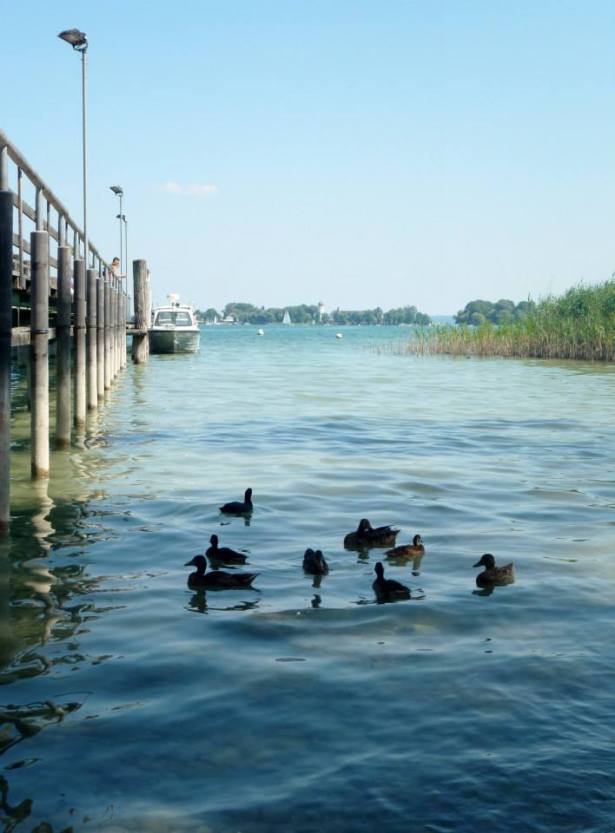
Eight brown ducks bobbing by
In the shade, under sky
Waiting for humans’ bread
To fall down on their head.
For August photo a day challenge

Photo: Smadar Halperin-Epshtein
Eight brown ducks bobbing by
In the shade, under sky
Waiting for humans’ bread
To fall down on their head.
For August photo a day challenge

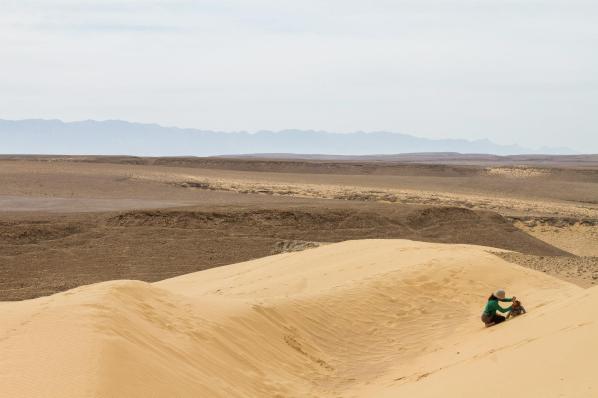
Photo: Elie Kichka
Undulating dunes
Slowly slide
To the sound
Of soft sand
Under hand.
For the Lens Artists Photo Challenge: Soft


Photo: Osnat Halperin-Barlev
Walk this way
To the water
Where the goats
Cleared a path.
Walk this way
Where the feet
Of the ancients
Have passed.
Walk this way
Little brother
I will give you
My hand.
Walk this way
And together
Our adventures
Expand.
For Cee’s Which Way Photo Challenge

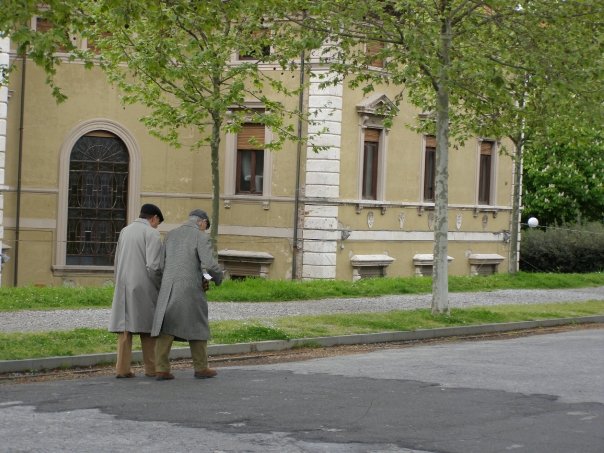
Photo: Smadar Halperin-Epshtein
“How to tell them apart?”
Asked some who’d seen them together
In all kinds of weather.
“Why try?”
Those who knew them replied.
“They are two of a kind,
One older in body
The other in mind.
One father, one son,
Always two, never one.
One sighted, one blind,
They live life, intertwined.”
For The Daily Post

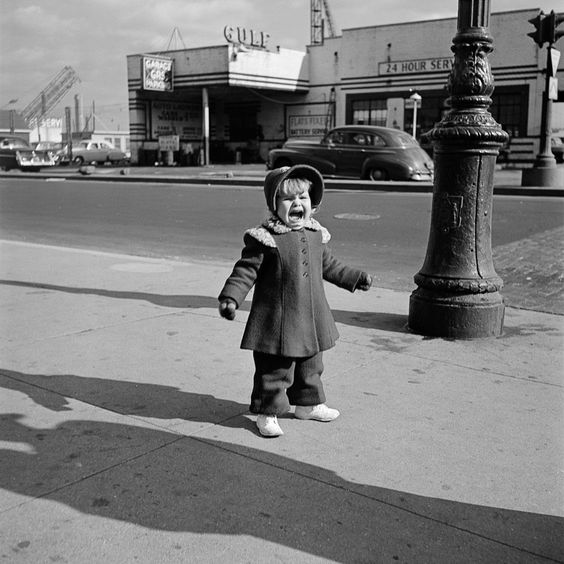
Photo: Vivian Maier (Girl Crying) N.Y. 1954
She huffed and she puffed and she stomped her small feet. She whined and she cried and she kicked the car seat. She refused to wear shoes, threw her coat on the ground. Made sure everyone heard her for miles around. She tossed food on the floor. Then asked for some more … Like a kid on a mission for the spoiled child edition.
Evening came.
Gramma called.
Mama handed the phone.
“Tell me now, little one, what on earth’s going on?”
“I’m a crank,” the child said in response. “Now Mama’s tired, all on my own.”
For more of Vivian Maier’s amazing photography: http://www.vivianmaier.com/
For The Daily Post


Photo: Smadar Halperin-Epshtein
In the arms of a sister
Gentle hugs
Soft sang songs
Whispered small things of lovely
A beloved
Belongs.

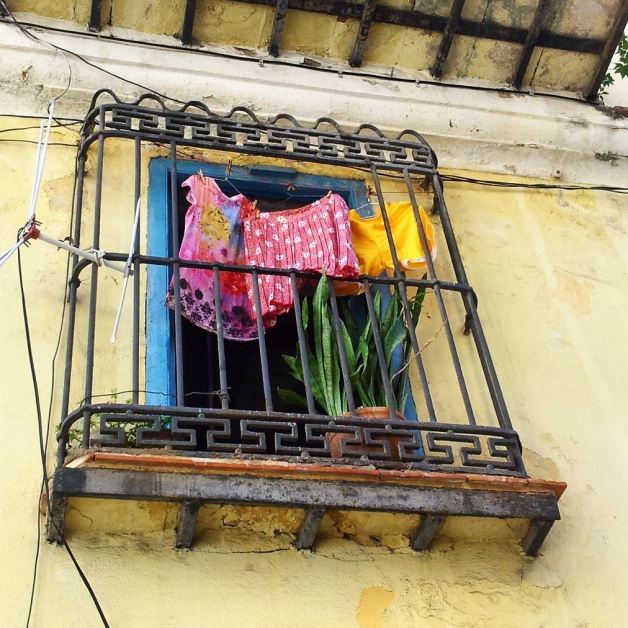
Photo: Inbar Asif
The stories told
In windows.
The sound of small feet
Represented
In a princess nightgown
Drying
Sheltered
By other clothing
Under a small awning
Behind
Weathered bars
Bracketed by
An antenna
And a plant.


Today, July 30, is the International Day of Friendship. The day is designed to bridge the gaps of race, color, religion, nationality, and other factors that keep people from forming and enjoying friendships with one another. It is meant to encourage dialogue, acceptance, and understanding between people of different backgrounds. Friendship matters. It can prevent war and promote peace. Research shows it can keep people healthier, happier, and living longer.
Having friends is a good thing. However, what defines a friend? What is friendship?
To me, friendship is a word as big as all relationships put together, yet as unique as any human pairing. In some ways “friendship” is as clear yet as ambiguous as the word “family”: Do you count only siblings or also cousins and nephews? Second cousins? Grand-nephews? In-laws? Third cousins thrice removed? Different people list family differently. Some define “immediate family” and “close family” versus “distant relatives” while others see all kin as kin. Can one argue that one person’s definition is more or less valid than another’s? Who decides who is or isn’t “family?”
Similar variability may be true for friendships, with different ‘kinds’ and types and closeness all jumbled under one rather all-inclusive word.
There are the friends you grow up with. The children of your parents’ friends, with whom you were ‘forced’ to spend time and sometimes had grown close to. The classmates and groups assigned by teachers. The bunkmates at camp, the teammates at sports. There are the neighbors you’d spent time with because they were the ones closest to toss a ball or take turns on the bike with after school. Among all those, some may have become your friends, some might have turned enemies, and a few may have grown to be as close as your own siblings. Maybe more.
Then there are the friends you make during life-changing matters: Military buddies you’d trust your life to; illness buddies who you know understand what other friends may not; the co-worker who had your back when a boss was unkind or another co-worker was out to get you; the neighbor who stepped up when the roof leaked in the middle of the night or who’d offered a safe place for you when they suspected you weren’t so in your own house.
There are also the passing friendships that may or may not continue beyond the moment of circumstance: Like the people you’d met on the cruise or were stuck in the airport overnight with during a storm. Or that single mom you’d helped give the bottle to the baby when the toddler had a tantrum and she hadn’t nearly enough arms for both. You got to talk, and sat together, and then exchanged numbers and never called each other but you still find yourself looking for her anytime you fly, and see her in every single mother flying with small children. She had become a friend. Inside your mind.
And friendships that turn into something more: Like the elderly man across the street on whom you checked after a storm and found out that he had no one to help him change a lightbulb and could no longer climb. And so you had, and stayed a moment longer while he shared a story from his life, and then you invited him over for dinner and he came wearing a suit and holding flowers from his garden … And he now comes to all your family’s holidays and get-togethers. Because he’s a friend now. Of the family.
And, of course, one cannot speak of friendships without those friendships that ARE family. The sibling who is also a best friend, the cousin one is close to, the partners one makes a life with and become both family and best-friends-for-the-real-forever.
So what are friendships? Maybe they are anything and everything we make them. With humans, with your furry friends. How we define them may shift and change, but the connection is recognizable.
How would you define friendships? What is a friend to you? If so inclined, will you comment below?
And on this day of international friendships and on every day: may your friendships be as fruitful and plentiful as you wish them to be. May they fill your life and heart with joy and meaning. May it be so and more.

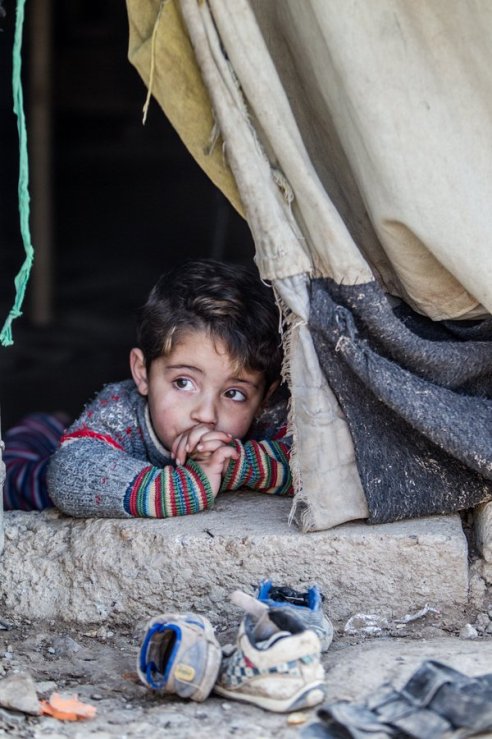
Child Refugee – Photo by UNICEF
The scent of home that she no longer has.
The spices, baking, the aromas
Of togetherness
And family
And love.
The scent of grandma,
Gone,
Killed by bombs.
The scent of ugliness
And war.
The scent of mornings
Blurred by smoke.
The scent of sea, now tainted
With the stink of gasoline
And sick
And worry.
The scent of tent
And mud
Hunger
Cold.
The scent of hope
Faint but held
In Baba’s handkerchief —
He said he’ll find them
One day
In Wherever Land.
The scent of fear
In mother’s arms
Trying to filter comfort through her own terror
Devastation. Loss.
The scent of home that she no longer has
Wafting away
In search
Of someone
Who will help
Her
Make a new one.

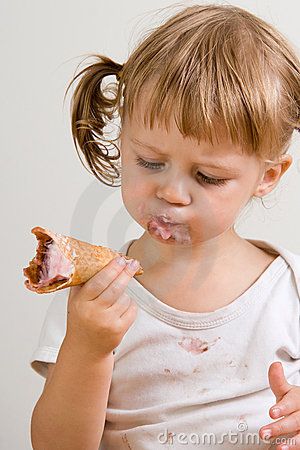
The little family was heading to the crossway and in my direction as I was sitting on the bench in the sun, thirty yards from the crossway, waiting for a friend to emerge from a store. They made the prettiest picture: the father pushing a stroller, the mother to his left, holding the hand of a preschooler. The little one skipping, pigtails bouncing, dressed in pink t-shirt and purple tutu, light up sandals, little handbag full of turquoise rhinestones and the latest animated princess character; giddy with the unsuppressed delight that kids that age can have. I had me a feeling they were on their way to the ice-cream store across from the bench I was on. The excited anticipation was written all over the little face.
Steps from the crosswalk and probably noticing the commotion on the corner right behind a row of parked cars and flashing lights, the mother tried to circle to the father’s other side. Maybe she intended to put herself and the other adult as barriers to the scene on the asphalt.
There was a person on the ground ten feet away from the sidewalk, right behind the row of parked cars. Paramedics with a backboard. An ambulance. Two police cars flashing lights and directing traffic from the three lanes to just one, keeping a perimeter so the nosier onlookers not get too close to the accident. Another police man stood by a car parked sideways across one lane, talking to the driver who hit the man. There was concern in the air. I’d been sending some good thoughts when I noticed the family nearing.
The child was too short to see over the parked cars, but either the energy of the congregated people or the movement of her mother caught her attention. She stopped skipping. Stood. Tried to see. The mother stopped, as well, then tugged gently on her daughter’s hand. The child did not move. The woman stood a moment–maybe considering the benefit of picking up the child to get them moving away from the area but give the child a vantage point that could be startling. The father bent toward the little one, said something. The girl nodded and resumed walking, but her head kept swiveling toward the street and as they crossed and the cars no longer obscured everything, she slowed. The mother picked her up and rushed to make it to the other side before the light changed. To put some distance, too.
The child kept talking, the mother shook her head and spoke back, tried to turn the child in her arms to face the other way and still the child kept turning her head over the mother’s shoulder–looking at the scene on the street: the paramedics were lifting the man on the board onto the stretcher. The family walked faster now that the little one was in arms. I could sense the parents urgency in wanting to get her away.
I could hear them as they walked closer.
“So you are ready to get some ice-cream?” The father, his voice kind but a bit too loud and strained in the slightly false cheer of worried grown ups that children always pick up on.
The girl nodded, her attention still divided. She looked back. “Why he has a big Band-Aid?”
The neck-brace. It did look like a big Band-Aid from the distance.
“They are just helping him be more comfortable,” the dad responded. The mom looked upset, walked faster.
“He has a big boo-boo?” the little girl looked again.
“Maybe. Don’t worry. They’ll take him to the doctor and make sure he’s okay.”
“He fall down?”
“Maybe.”
“I don’t want him to have a big boo-boo,” the little girl said, frowning. Then her eyes brightened. “Maybe he want ice-cream too so he feel all better.”
“He doesn’t want ice-cream,” the mother blurted as they reached the ice-cream store and walked in.
Maybe not the kind that comes in a cone, I thought, but the energy of sweetness from this child I bet already made him feel better, even if he did not know the pigtailed gold-heart who offered it.
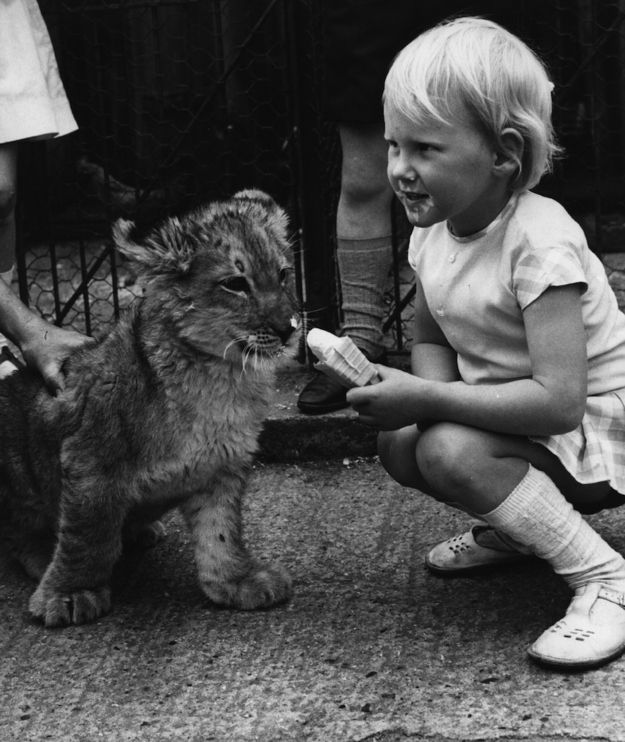
Evening Standard / Getty Images 1956

A place to improve my writing skills, and that's all.
We're not thriving, we're creatively photosynthesizing under duress.
History of the Bloomingdale area on Manhattan's Upper West Side
A creative miscellany of mythic fantasies
a weekly flash fiction prompt inspired by google maps
A community for writers to learn, grow, and connect.
To participate in the Ragtag Daily Prompt, create a Pingback to your post, or copy and paste the link to your post into the comments. And while you’re there, why not check out some of the other posts too!
I can't sleep...
Alternative haven for the Daily Post's mourners!
never judge a girl by her weight
original fiction and rhyme
You have reached a quiet bamboo grove, where you will find an eclectic mix of nature, music, writing, and other creative arts. Tao-Talk is curated by a philosophical daoist who has thrown the net away.
A photographer's view of the world - words and images to inspire your travels and your dreams
Life in progress
Straight up with a twist– Because life is too short to be subtle!
WordPress & Blogging tips, flash fiction, photography and lots more!
Light Words
 Na'ama Yehuda
You must be logged in to post a comment.