A Leap of Faith

leap of faith1

“I want my parents to see Billy Elliot.” The boy and I were discussing Marco Polo and history of Europe in the 1200s, looking at sources from his textbook and encyclopedias. The remark seemed out of context, but whatever the connection or association, I was curious to know more. The boy’s eyes rested on me. Serious. This was no fly-by thought.

“Oh?” I commented, “I heard good things about it. What about it do you want them to see?”

He paused. Fiddled with his pen, checked the time. “I’m not sure,” he mumbled, fiddled more. “Actually …” he looked up, “I want to play the cello.”

The boy has been taking guitar lessons this past year. An athletic guy, his parents thought he was better suited for sports, which he is indeed very good at and loves doing. They were not against the guitar lessons, though they admitted hoping that those were only a passing internet music-video inspired fad.

I just listened. There was more there. I was sure.

“I like playing guitar, but I really love cello. Only thing is .., it’s for like, classic music …” his eyes met mine and then he looked away, stared at his lap. “For orchestra and stuff, you know … nerd stuff.”

“Hmm,” I mused. “People use cellos in other kinds of music, but I get what you’re saying, even though I never thought of cello players as nerds.”

He blushed. “I don’t think they are. I think its beautiful music …” his blush deepened. “I don’t want my dad to think I’m a nerd or like … soft.”

My impression of the father was of a caring, all American, be-my-boy’s-best-buddy kind of dad. They often went to sports events together, traveled to see their favorite teams, bonded over tailgate parties. The boy loved it. And had other interests now, too …

“So … Billy Elliot …” I noted gently.

“Yeah … so they understand I want this, even if it’s kind of different. Is it kind of different?” he looked up, hopeful for denial.

“Personally, I don’t think so. I think music is a lot like a sport–you have to practice, you have to keep at it, you have to love it to do it, and it can also be very satisfying. It is even often kind of a team sport, with players needing to coordinate and work together …”

He gave me the almost-teenage lopsided grin that tells adults that they were doing an okay job in cheering up but their game was up and the comparison was barely passing. “Try telling that to my dad …” he chuckled, not quite mirthfully. He sighed. “My guitar teacher said I have good finger skills,” his voice was hesitant but a warble of pride was evident. “He let me try a cello that he plays sometimes. It felt so right …”

His whole face lit up when he said that.

“So … I want my parents to see Billy Elliot. I told my grandmother. She said she’d get them tickets … for next week.” He pushed on then, his speech suddenly urgent, rapid, “you see, there’s this summer camp, and it is for music … and I can do cello there. Not all summer, just three weeks … I can still go to the other camp, because that one’s only through July … and the music camp is in August … so I could still do both …”

I smiled.

“… they still have openings–my grandma checked–but we have to register, like, now … so … I want them to see Billy Elliot.” He chuckled, a bit tensely, “I’m thinking, it is a lot less nerdy than dancing … so maybe my dad will be, like, relieved that it’s ‘only’ the cello … My grandma said she’ll back me up …”

“I will, too,” I grinned. “Take the leap. Go for it. Try it out. If this is what you really love, then it is wonderful to find it. And if not, then you will still have tried something new that felt worth exploring.”

“Exploring … right,” he grinned. “Back to Marco Polo, huh?”
take risks

Tenderness

tenderness

May tenderness infuse your heart

In every turn you take

May warmth envelope every day

And soften all your cares

May awe and joy flow in your soul

Like sunbeams in the air

May your see caring, everywhere.

It is already there.

tenderness1


tenderness4


tenderness3

tenderness2


Life Lived

life lived2

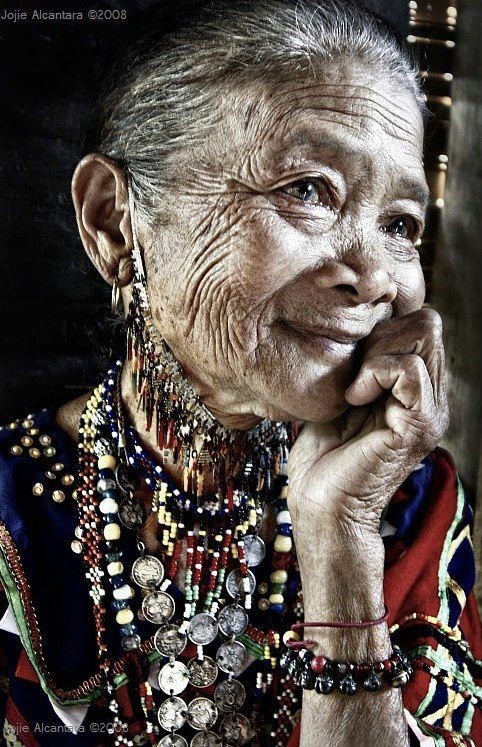
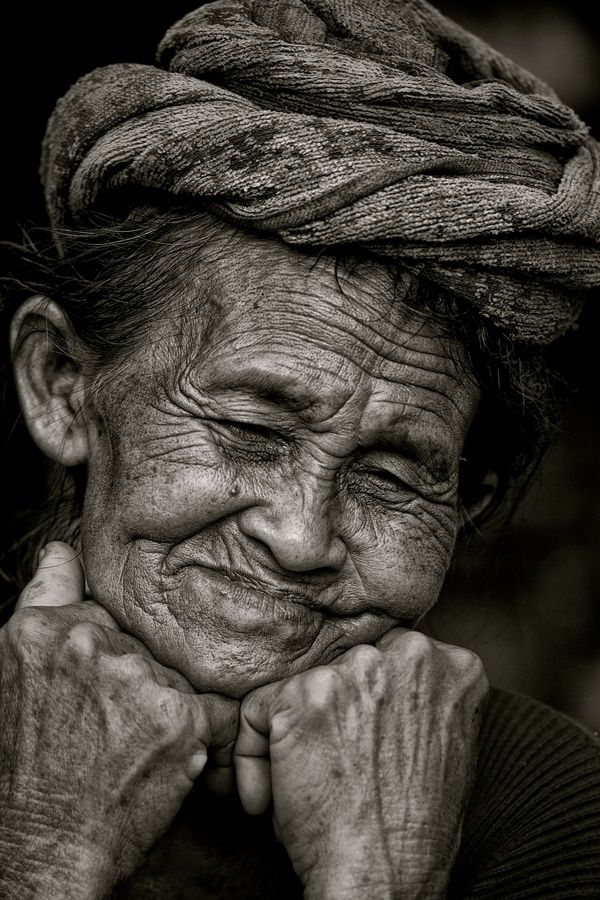
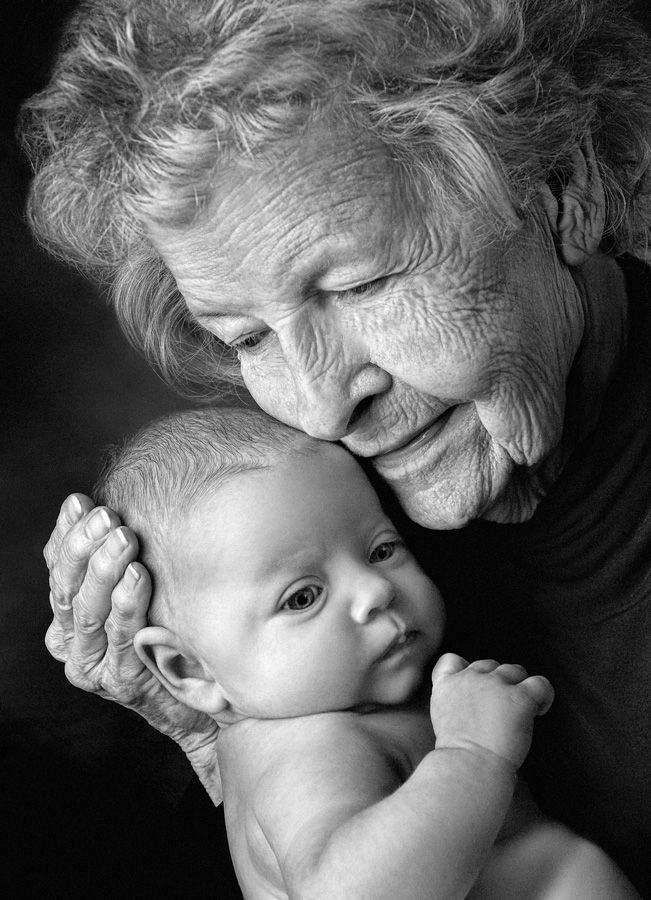
There’s immense beauty in life lived. In every wrinkle bought by time and much expression. It is evident, open, there to see. There is beauty in the well-lined faces of elders. In our own. They are pathways earned by living. Furrows sewn by memory and feeling. Intricate etchings of how one came–and still comes–into one’s own, how spirit’s grown.

A little boy of four told me the other day: “My granny is very pretty. She has lots of lines all over her face like spider webs because she’s old. She gets more lines every year for her birthday. I like her face. It is so soft and her eyes love me.”

There is history to tenderness and respect for the older. Many native traditions venerate their elders and hold their wisdom in high interest and regard. They know that life leaves marks, and most of them are well-earned knowledge. The lines upon a person’s face reflect not decline or oddly shameful claims of “one’s age showing” but rather are a mirror to a person’s wisdom, depth, growth.

Many of us have lost the Way, in modern times. In the rush to seek erasing life from our expressions, we’re urged to look away from those who forged before, who cleared the paths, who taught us all we know. We are expected to see wrinkled faces as what we should fear becoming. It is our own life we deny when we do not accept that we would none of us be had it not been for the elders’ lives, how it is now our history. The aged’s perspective is what holds our own horizon steady. They know of corners we do not yet see for we are in too low a vantage point, compared. Their faces show it. Maps of living. Losing sight of it is losing part our ourselves, of what we may have the blessing to become sometime later be.

The little boy who sees his granny’s life etched in the softness of her face and the love in her eyes–he gets it. His priorities are calibrated. He sees the beauty of life lived, not the images peddled by companies seeking fortunes by telling people lies: that life reverses, that years should not be seen, that age that shows is somehow shameful and wrinkles should be believed to depict a worn-out living, unworthy of respect. The opposite is real, and this child’s vision is clear, aligned with Truth: that the paths we walk become a part of us. That our beauty lies in our compassion, in what we learned of ourselves and others, in how we live. Beauty is not measured in complexion or in how well we do in life’s erasing.

If only more could see. The beauty of life lived. Reflected.

I am someplace in early middle years. Not nearly old enough to spider-web, but in the place where I receive a few new gifts of wrinkles for each birthday, and hopefully some of the wisdom they can depict of some experience. I see them, welcome into my visage: laugh lines, small remembering of oft expression, better understanding of the interplay of gravity on time and skin.

The same little boy looked at me the other day, his eyes full of inspection, his young forehead creased lightly in concentration. He searched my face. Lifted a hand to my cheek. “You have some wrinkles, too,” he noted. That’s pretty.” He sighed. Satisfied. 

life lived1

life lived

Universality of Love

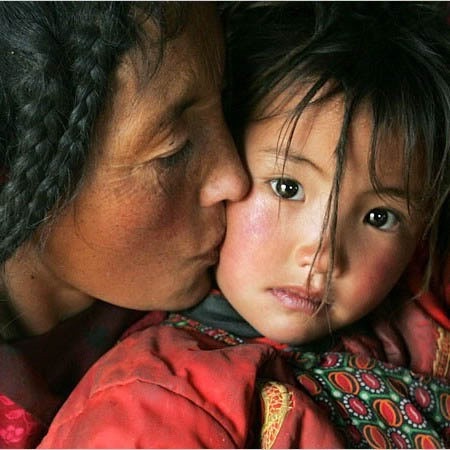
Today, I marvel at the universality

Of love.

At the way deep care connects us all.

And should. And can.

How it forms us.

How it spells the words of heart upon a child’s new soul.

How it breathes hope into desperation.

How it nourishes across languages and color, tradition, race, religion, state, connecting all.

How it writes upon the slate of birth

And opportunity.

How it shapes resilience to withstand strife and sorrow.

How it holds through thick and thin, through calm and turmoil.


Today, I marvel at the universality,

At the miracle.

Of love.

So utterly expected

So innately ordained

So perfectly humane

Yet so often bent by apathy, oblivion, ignorance, senseless hate, violence, disdain.

The very shock we feel at its absence

In itself speaks volumes

Of Love’s natural flow.

Its ingrained, spirit-sustaining need.

The bounty of fortitude and growth that it can seed.


Today,

I marvel at the awesome

Touching

Never mundane

Breathtakingly beautiful

Universality of love.

mothers love


love

love1

love2

love3


love5


love7

love4


Beautiful Like Me!

She came dancing up the stairs, ecstatic, barely able to contain her smile. And she was a sight to behold:

Pastel rainbow tutu skirt over purple denim and red t-shirt with a sparkly princess on it (and a few star stickers), pink tennis shoes (with rainbow laces), green and yellow polka-dot socks (with frilly tops), rainbow-loom bracelets on both wrists, three plastic beads necklaces (one with 1/2 inch hearts interspersed), five hair pins (with various glittery bits and in various states of sliding off), shimmery hair ties holding two droopy pigtails of dark brown corkscrew curls. A smile as wide as the ocean. And a periwinkle clutch, princess stamped and glitter splattered.

Joy incarnated.

She went directly to the long mirror, struck a pose. Her mother chuckled–the last thing her daughter looked at before leaving home was their mirror. The girl stops to admire her reflection in store windows, too.

“I’m so beautiful!” the little one noted in delight.

She was not referring to her features or her body–chubby cheeked, dimpled, lisping, and lovable all over. The beauty was in the gestalt effect of her composition. Hers is aesthetic enjoyment rather than self-adoration.

Her ensemble changes week to week, varied shades of glorious. Never her elation. The wells of her joy are bottomless, oh, the endless possibilities of pleasing presentations!

She’s a walking fashion statement. She’s as happy in oversize overalls and chunky boots (with sparkly necklaces and mismatched socks). No one would be surprised if she ends up an artist, designer, or otherwise eclectic. She’s her own being already. Absolutely comfortable in her skin. Contagiously delighting in her creations.

Yesterday, she twirled around before of my mirror. Swung her arms, touched her necklaces, straightened an errant rainbow lace, wrapped a ringlet around a finger. She grinned throughout.

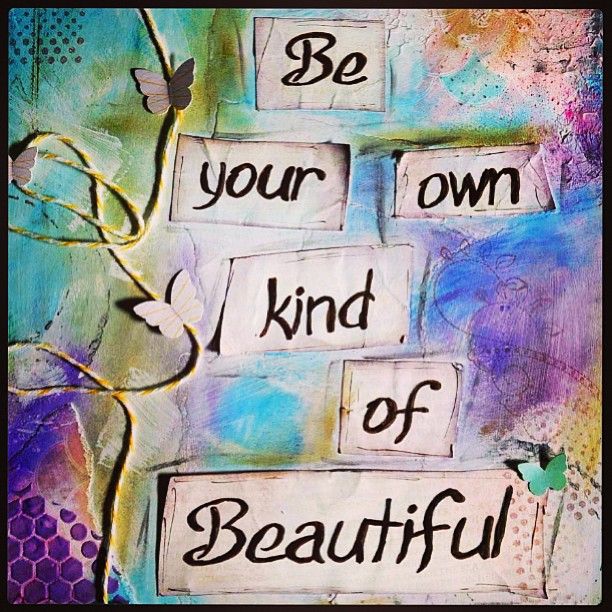
“I’m so beautiful,” she sighed, satisfied, “I am beautiful like me!”

beautiful1


King of the Red Train

A small boy today shared last night’s dream:

“I was the king of the red train. Red is the best. It was even more longer (sic) than the subway and another subway and another subway and it was going very fast like a cheetah and I wasn’t scared because I was the king of the red train.” (slowing to explain) “The king is the boss of the train and the whole country.” (picking up speed again) “And all the people were happy because the train was going so much fast (sic) and that’s very good. You know why?” (pausing, waiting for my query before continuing elatedly) … because they were going to get home before their ice cream melted!” 

train

Just Like Daddy

A boy, age 4, stating proudly: “When I grow up I’m going to be just like my daddy. I’m going to put ties on by my whole self and a suit and I’m going to have a (sic) iPad and two iPhones even three and be busy and go to work everyday …”

He pauses, and a little frown climbs up his young forehead … He takes a breath, and continues, a little less enthusiastically: “yeah, I’m going to go to work …”

He pauses again, reconsiders. Looks up at me, a tad concerned. “Can grownups go to work and … um … play?”

just like daddy

Earth Talk

earth1
It is Earth Day.

An odd day to have, when we consider that realistically, every day is an Earth Day. We live it. We breathe it. We would not be. Literally. Without it.

And yet, there’s Earth Day. To remind us of what so many of us may be taking for granted, to counter what too many do not want to accept as Truth, to open our eyes to what we can do better or more of or less of.

For the Earth, yes. But if that is not incentive enough–for ourselves. For our children and their children and their children’s children.

People vary in how well they hear Earth–or how willing. Some prefer to not hear. Others spend life more attuned to Earth than others. Most children do.

Children often are attuned to Earth. You see it in their intense attention to a crawling ant or an undulating earthworm. You see it in the careful handling of leaf and pebble and that tattered bit of some insect’s wing that you really don’t want to find in their pocket when you do the laundry. You see it in their awe. In how hard it is for them to tear their eyes away from listening to do whatever you find so much more important in that moment, but they don’t–for they are listening to the Earth’s heart.

Children listen. They are naturally attuned to the rhythm of what birthed them. Till we teach them not to. Till we fill their world with too many competing sounds and none-too-subtle visuals that they tune-out the ripple of the earth-talk for the beeping of their videos and ever-busy-schedule-noise.

The Earth talks. Most days it speaks softly, slowly. Other days it shrieks and growls and thunders, matching winds and storms peak to peak. Earth speaks. It has always spoken. Native Peoples everywhere have listened, been tuned in, respected both the cycles of the earth and the sanctity of the sanctuary it provides us.

They have loved and feared the earth–because for all its perfect habitat for people and our fellow living beings, the Earth is not a subtle being. It blooms explosively. It raptures in shuddering volcanos. It sweeps down in tornados and hurricanes.

Native Peoples listened to the subtle: to the slow drawl of the summer and the fleeting flutter of the spring. To the deep rumble of the winter and the dried crinkle of the fall.  They heard those just as they heard the fury and eruptions. Most of us today listen only when the voice is loud enough … when Earth Talk drowns all other sound.

Even then, do we hear? Do we listen? What do we understand?

The Earth talks. All of it does.

Trees whisper. They bend and laugh and cry. They may do less of it these days, with less of them to pass a whispering along to, but talk they do. Their voice is not quite heard as it is felt, reverberating down their trunks and through their roots. In case you wondered, a small one states with certainty that Fairies often speak back or translate–you can see their lights flicker in response …

Oceans talk, as well. If only we would listen.

The fish, the whales, the jellyfish and sand-beings.

The growing grasses talk. The roses sigh and blush. The daisies sing and bow to bees for their gentle contribution.

Animals all carry their own voice. Individual and harmonizing. In body-language, pose and poise, hum and throaty purr, cries and song.

If we don’t hear it, it is not from lack of conversation abounding all about us, but from dulling of the senses and a denial that makes it easier to not know. For we would not be able to go on abusing Earth and its inhabitants if we did fully hear and know, if we maintained an open eye. If we let our heart know.

Those among us who fight to remain open hearted to the Earth are often achy-hearted. Frustrated, too, and yet immensely hopeful. Because we know it can be–should be, could be, oh-please-would-be birthed anew.

All living things have a voice.  The whole Earth hums. Abuzz with sound. Much of it unhappy now, these days … but it can turn back. It can remember better times and calibrate its tuning forks and old-sung centuries.

Let us listen. Let us recognize the tunes that whisper life and harmony. Let us work to dim those wounded melodies that rasp pain and pollution and hollowed out caverns where resources were all but stripped out.  Let us amplify the ones that celebrate renewal.

Earth talks. May we hear, and see, and listen, and understand. For the sake of all that is, for our children–let us truly, fully, take a stand.


“All kinds of upset”


The young girl stomped up my stairs red-faced, eyes shining with unshed tears, her usually tidy light hair disheveled, one pigtail-holder dangling dangerously close to losing hold. She slammed her book-bag on the floor, pulled at her coat sleeves and sat huffy by the table, arms crossed.

“What’s going on?” I asked.

“Nothing.”

Well … I was far from convinced … It seemed more like anything but.

“Sure looks like something is going on …” I offered, “you look upset, and you usually don’t just throw your bag on the floor and sit down … ”

“Sorry,” she mumbled and reached over to right the bag, not seeming particularly enamored with me, either.

“Oh, I don’t care about the bag,” I stated, realizing I could have certainly worded myself better. “I was just saying how you looked upset. I know that when I feel like tossing a bag onto the floor like that it is usually because I’m feeling upset.”

“Yeah.”

I waited.

“So I’m upset, okay?!”

The I said what you wanted me to say, so are you happy now? tone was evident, and it made me smile.

Wrong move. The girl’s forehead darkened. “What? So it’s funny?”

“No! Not at all!” I back-paddled, volume of smile lowered considerably. “I was smiling with affection. You don’t have to talk about any of this if you don’t want to. I’m just sorry that you are having a rough day.”

Silence. The child backed into the chair, progressively slumping as if all the air leaked slowly out of her. I waited. When she said nothing, I placed my hand on the table close to her, offering support. She looked up at me, unhooked one arm and played absentmindedly with my bracelet, then took my hand, and looked up again. Her green-gray eyes were brimming now and I could see that there were two trails of dried tears already on her cheeks, prepared to shuttle the incoming ones.

“I hate it when everyone tells me what to be!” She blurted, voice choked.

“Yeah,” I said softly.

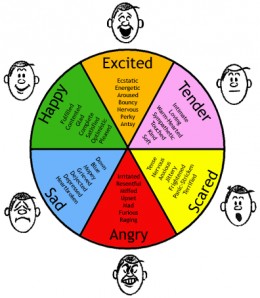
“I am upset!” She stated. “A lot! All kinds of upset. Remember how we worked on feeling words and synonyms and opposites and all that stupid nonsense?”

I smiled. I did remember. Of course I did not think that any of it was even close to nonsense (especially not ‘stupid nonsense’ …), but I didn’t think being persnickety would help and so I kept my mouth shut about that.

“Well,” she half-smiled, realizing. “Sorry … not stupid nonsense, but sort of. It was really boring … but, anyway … I’m also feeling really annoyed and irritated. Disgusted, too. All part of upset, isn’t it?”

“Aha,” I confirmed, figuring that as she was doing a really good job herself, the best I could do was keep myself from interfering or thinking I knew what she wanted me to say.

“So I am. Upset. Angry. Frustrated. Whatever. Why do adults get to make decisions about my life? It is my life, not theirs!” She looked up at me, her pretty face now more sad and disappointed than angry. Putting feelings into words often does that … Verbalizing helps emotions clarify and flow.

“I’m sorry,” I said. I did feel sorry. I hate seeing children upset, and I know how helpless kids can feel sometimes–some of them absolutely all too often and this particular child more often than I’d like her to.  I also felt proud of her. For a girl who not too long ago had very few words with which to describe anything, let alone her own feelings, this was seriously wonderful progress.

“My mom says I can’t go to sleep-away camp,” she finally spat out, letting go of my hand in dejection and curling back into herself. “She says that ‘I need the summer for catching up with schoolwork’ … What about what I need? What about if I need a break?” The tears cascaded now, the unfairness of it all flooding her.

I sighed. This was going to be the girl’s first time at sleep-away, and she was looking forward to the four-week-adventure for just about forever. Her cousin and a good friend were also planned to go to the same “sports and fun camp”, as she called it, and it had been my impression that the parents were naturally wary to have their little girl away for the first time, but still supportive. Whatever brought this on, I did not think that canceling the camp was a good solution, and certainly not for supposed academics.

She looked up at me, suddenly suspicious. “Did you tell her that I need to stay home to do school work all summer?”

I certainly did not, but even before I could say anything, she took a breath and shook her head, “I know you wouldn’t, though. You always say playing is important, too. You don’t even like homework for kids with long schooldays. I heard you tell my mom that, on the phone …” she looked up mischievously, imparting a secret. “Don’t tell her … she doesn’t know … but I listened on the other line …”

I chuckled. Eavesdropping is not the most polite thing, even if I couldn’t say I blamed her for being curious to know what was being discussed when the topic was herself.  Talking about boundaries and appropriate behavior could wait, however.

“You’re right,” I said. “I do think playing is important. As important as learning. Sometimes even more important. I’m not sure why your mother said what she did, but if you’d like me to, I would speak to her about the summer camp. In fact, I want to know from her what this is all about.”

Hope dawned behind the tears. “You’d tell her I should go?”

This got another chuckle. Smart cookie, this one. “Well … I certainly think it is a good idea to have a break, and personally I would like to see you going, but parents have all kinds of considerations … I would like to speak to your mother about this but I don’t know that I will tell her that you ‘should’ go.”

“Okay …” she deflated some. “I wish you would tell her, though. She’d have to send me there if you say so.” Sigh. Shrug. The child finally unzipped and emerged from her coat (I was wondering how long she was going to let herself be cooked, with the heat on in the room besides). She hung the coat on the back of her chair and moved an arm–slightly defiantly, I thought–over her eyes and cheeks. Why bother with a tissue when there is a sleeve nearby … and when she can thereby show her discontent for my not promising to order her mother around some …

I smiled, and she smiled back, blushing slightly. Kids know when we see through them (though we are sometimes far less perceptive when they see right through us!).

We went on with our session, but before she got picked up by her babysitter the girl stopped me mid-sentence as I was discussing a task we were completing. “You won’t forget to talk to my mom, right?”

“I won’t,” I promised.

“I mean, don’t forget to tell her I was really annoyed and angry and frustrated and all kinds of upset about it!”


You bet’cha, little one. And so well done … No way I would forget, and me all kinds of proud of you for that …


Feelings