It is always good to be … in good company …
Recognize the miracle that we each are …
A teaching mirror-mirror moment, by an adorable 3 months old.
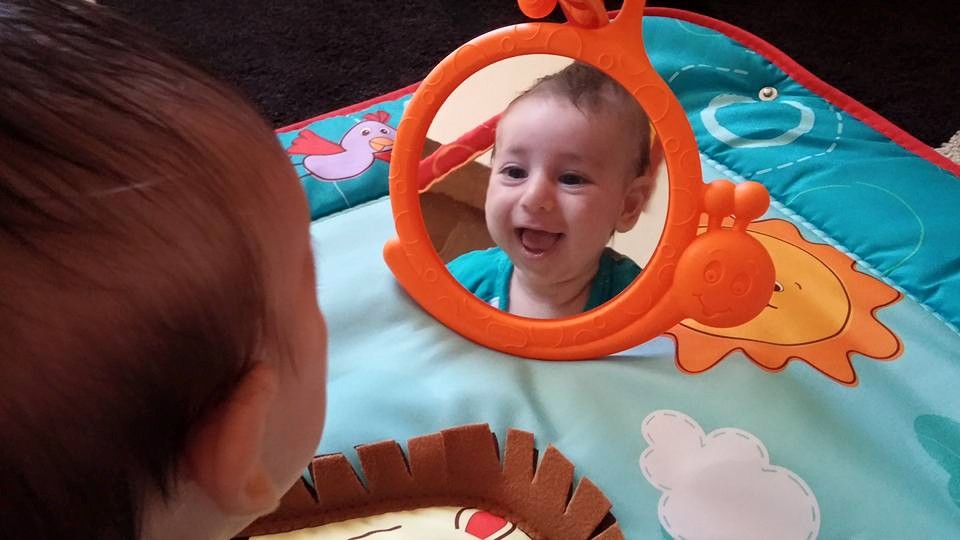
Photo by: Smadar Halperin-Epshtein

It is always good to be … in good company …
Recognize the miracle that we each are …
A teaching mirror-mirror moment, by an adorable 3 months old.
Photo by: Smadar Halperin-Epshtein

What do you do with a grieving child?
You listen. You hold. You listen some more.
You offer tissues, you offer a hug. You answer lots of questions.
You nod. You tell stories. You honor the small memories told.
You come up with suggestions–or rather, embellish on those that the little one has.
You produce boxes (“too little”, “too big”, “too not-good”, “I don’t like it”, “okay, this one …”), find padding and ribbons and stickers, along with a few extra hugs.
You write what’s requested. Erase the letter that did not look perfect. Write it again. Erase. Write once more. You understand that it has to be just-so.
You provide blank paper and crayons, markers, highlighters, scissors. Play dough.
You oblige to search Google for questions your answers were not good enough, and come across five hundred other interesting things that lead to more questions. Distraction is good medicine, too.
You write down a protocol for ceremony, number the steps, change the order.
You make a headstone from tongue depressors and card stock. Give another hug.
You write the name of the departed. Erase it because it did not come out perfectly. Write. Erase. Write once more.
You draw a picture and told it “doesn’t even look like him.”
You are saved by a photo from the bowels of phone memory–a snapshot of happier times.
You give more hugs. Another tissue.
You stay with. You listen. You know that no small loss is small. That no one is truly replaceable, that loss is confusing and brings along with it the worry of losses far bigger and questions too scary for words. You don’t go where the child does not take you. You comfort, you understand.
What do you do with a grieving child?
You listen. You hug.
You promise not to forget.
You tuck the drawing in the folder (“but be careful”) to keep it safe.
And you use a tissue yourself, when the child wonders aloud if dead fish get to have wings and continues to answer himself: “Yeah, because they have fins, so Benny was already half-angel.”


The little boy was beaming yesterday.
“You know what?” he said, having barely parked himself on the little chair in my office.
“What?” I pretended.
“I’m SO happy.”
“You are!” I exclaimed, smiling. Even a boulder would see that the little guy was delighted. Delighted and relieved, actually.
“Now my parents can be my REAL parents!” he gushed. He sobered then–this boy does not take family for granted. Abandoned at birth with visible deformities, trundled through foster care homes and more losses, and finally finding an adoptive home with parents who were dedicated to him and where he was cherished. “If something happens to Daddy …” he paused, “then Papa will still be my father.”
He reached for my hand, excited and a little scared at what he just stated, momentarily overwhelmed by the proximity of both loss and hope. It took a lot of love to get this boy trusting that his home was a ‘forever home’ and that he was really wanted; and sometimes worry still snuck in, triggered by the destabilizing challenges of very real uncertainty.
Such as when he needed surgery and only one of his adoptive parents was allowed to escort him to the operating room, because only ‘legal guardians’ could, and the law did not allow both his parents to adopt him, only one. Daddy was recognized as his parent. Papa was not. It scared him that people could say that Papa was somehow not his real father, that other people could — again — decide about his life.
Or when his legal parent was away on business and the new school guard gave the boy’s papa trouble picking him up because there was no official note on file indicating that he was among the ‘approved caregivers.’ It took a tense while to locate the classroom teacher to confirm that this man that the boy called “Papa” was indeed one of his parents and had collected the boy from school before. For several days later this little boy refused to go to school. He insisted on waiting for Daddy to return. He was scared that school people won’t let Papa take him home.
Now in my office, this little boy fiddled with my bracelet, as children often do when they are feeling a little tender but need to be the ones establishing how much connection to allow. “Sometimes at nighttime I have bad dreams … about having to go back to foster care.” He looked up at me, dark eyes like deer in headlights, hair framing his little face in a frizzy halo.
I squeezed his hand gently. He looked at his papa, who was sitting quietly with us, his own eyes bright, and allowing his son–son in all ways but legally until now that the Supreme Court declared the constitutional right for equality in marriage and family–the space for these complicated feelings.
The boy reached out for his father and received a hug. “It is going to be more safer now, right?” the boy asked, face buried in his father’s shirt.
“Sure is,” the father planted a kiss on his son’s head, who at not yet six years old was already a veteran of too many worries. “Your home is with me and Daddy. We are a family, you and Daddy and I.”
“And Priscilla!” the boy added in reassured indignation. “You forgot Priscilla!”
His father chuckled. There was no forgetting Priscilla the ever-into-something dog. “Of course, Priscilla is part of our family, too!”
The boy snuggled into his father’s hug another moment. Sighed contentedly. Peeked at me and smiled. “The judges said that my Papa can also be my father now. Like my Daddy. Forever and ever and ever and ever.”


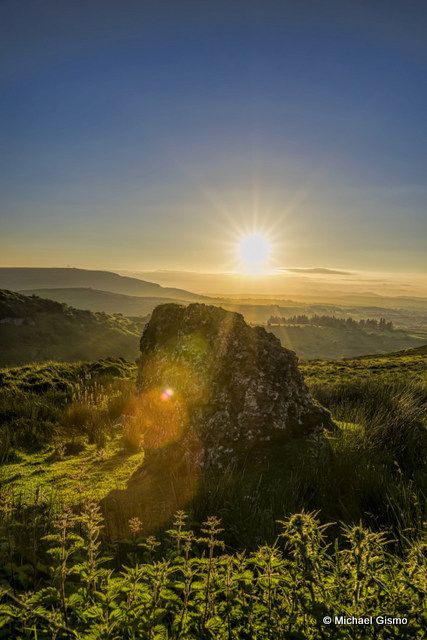
As summer solstice arrives, I find myself wondering about the metaphoric increase of light and the ongoing balance of light and dark, the constant shifting from more of one to more of the other and the very brief points of apex on either. We are not meant to be static. Not the planet, not even within the same season–there is constant change. Even as summer formally begins, it begins the long path to the opposite.
Dark to me does not necessarily have the connotation of evil–though it can indeed also mean the absence of light on heart and soul levels–rather it often represents for me all that is hibernating, what is nascent and unborn, the things that await clarifying, the times of preparation, incubation, anticipation, hibernation, rest …
Dark carries in it the potential of enlightenment, the tender differentiation of color in pre-dawn, the realization of upcoming sunshine and the end of opaque unknown.
In the summer solstice, dark is at its shortest, but it is not eliminated, nor should it be. Without dark, there is no contrast. Without dark, it is difficult to find rest or space for incubating thought and creativity, for wonder and imagination, for small things needing sheltering still until they grow enough to face the light.
I am reminded of this as even in the longest day arrives, the path to increasing dark is already beginning–slow and steady from now to the winter solstice, a drop-by-drop addition to the night and its many potentials.
Don’t get me wrong, for all the sheltering potential of sapphire skies and starlit hours, I love long days. I adore the long twilight of summer evenings, the seemingly endless time to be outside in the sun. So much so that I remember wondering–as a child reading about another child’s life in Lapland–what it had to be like to live above the Arctic Circle in a summer of continuous light (only in the summer, please … the freezing cold is not something I am enamored with even considering …).
Someone I know swears by the healing properties of experiencing these dark-less days. She finds that it calibrates her body’s internal needs: she eats when hungry, sleeps when tired, works until the work is done. To her, a fortnight in the Arctic summer is a remedy for most that ails her.
Another friend who spent some of her childhood in Sweden told me that she loved it for the first two days then found it suffocating. “I’d hide under the bed and drape a blanket over the sides to get a place of darkness. I needed time to breathe some night. My brain wanted to rest.”
I can understand both the freedom that a time of continuous light allows, and the need for respite from it. For all the adoration of light–and I indeed adore it–there is the inherent balance of all things. Even my friend who prescribes Arctic summers makes time for breaks from productivity.
A sage woman once told me: “We all seek the light at the end of the tunnel, but the tunnel itself has value in leading you to it.”
May this Summer Solstice become a day of balance for you. May it support your outward creativity and your inward incubation of new being and new doing. May it hold the hint of winter in the making–the cooling and the slower pace already forming.
Happy Summer Solstice to you.
And for all who celebrate it–also a Happy Father’s Day!
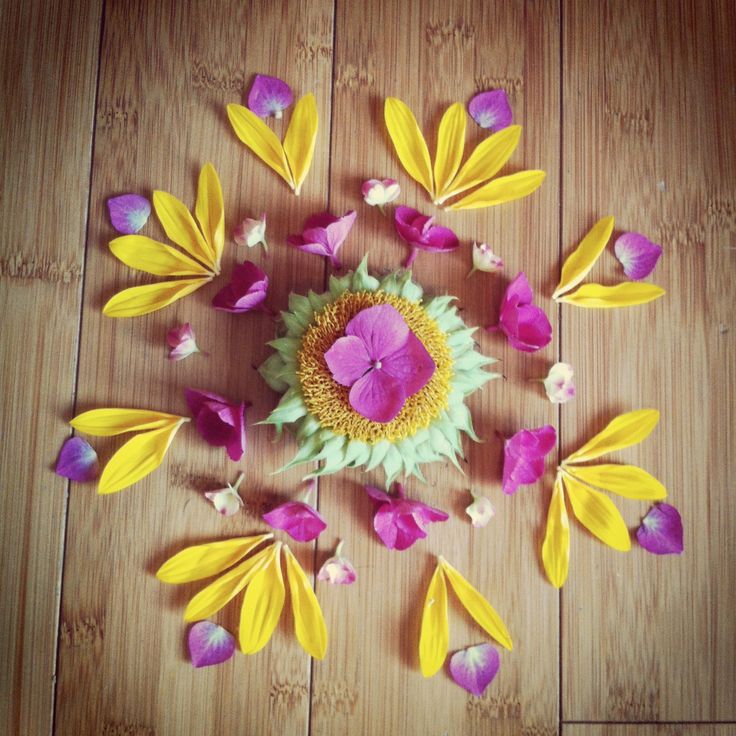
From Pintrest: thisenchantedpixie.org

Take a breath in the streaming rays
Feel the light fill up your days
Know the sun
The dappled warmth
Sense the earth supporting
verdant growth
Hear the wind whisper stories to the grass, the fronds, the palms
and
Find the space that holds your heart inside your calm.

From Pintrest: Thailand

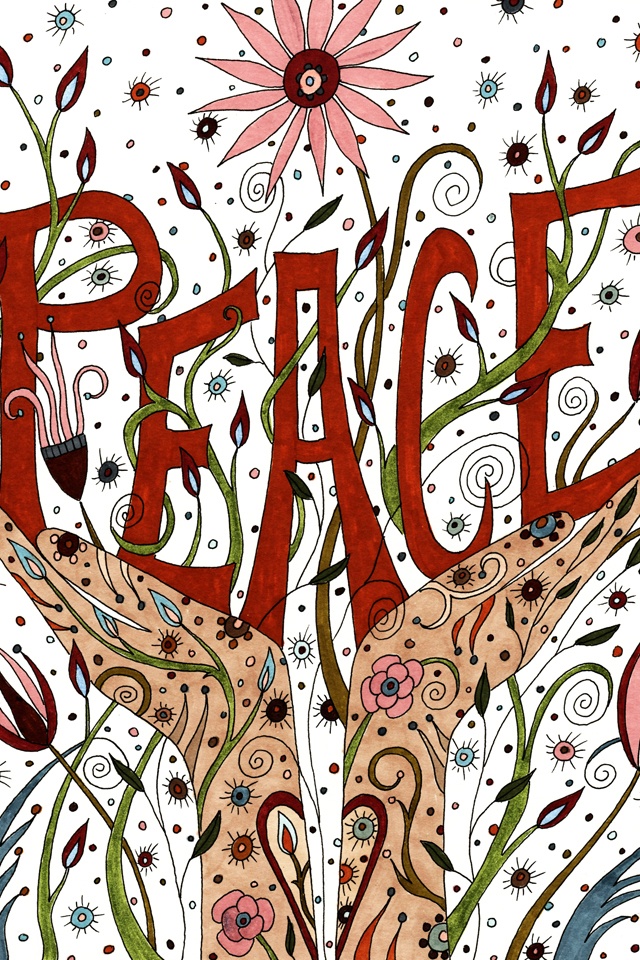
Peace is in our hands ~ artist Valerie Lorimer
As we celebrate mothers of all forms and being, those carrying and bearing life, laboring to nourish and to nurture, guiding, teaching, holding, comforting, soothing, showing, listening, singing to and being with … Let us also remember where Mother’s Day originally came from and its purpose–a purpose that in its own way represents the yearning and dedication, hope and tenacity of mothering:
“let them then solemnly take counsel with each other as to the means whereby the great human family can live in peace…” (from the proclamation below)
Here is to peace. To no more carnage. To love. To hope. To no more lost children. To counsel of heart and reason. To no more war.
Mothers’ Day Proclamation / Julia Ward Howe (1870)
Arise, all women who have hearts, whether your baptism be that of water or of tears! Say firmly: “We will not have great questions decided by irrelevant agencies, our husbands shall not come to us, reeking with carnage, for caresses and applause.
“Our sons shall not be taken from us to unlearn all that we have been able to teach them of charity, mercy and patience. We women of one country will be too tender of those of another country to allow our sons to be trained to injure theirs.”
From the bosom of the devastated earth a voice goes up with our own. It says, “Disarm, disarm! The sword is not the balance of justice.” Blood does not wipe out dishonor nor violence indicate possession.
As men have often forsaken the plow and the anvil at the summons of war, let women now leave all that may be left of home for a great and earnest day of counsel. Let them meet first, as women, to bewail and commemorate the dead. Let them then solemnly take counsel with each other as to the means whereby the great human family can live in peace, each learning after his own time, the sacred impress, not of Caesar, but of God.
In the name of womanhood and of humanity, I earnestly ask that a general congress of women without limit of nationality may be appointed and held at some place deemed most convenient and at the earliest period consistent with its objects, to promote the alliance of the different nationalities, the amicable settlement of international questions, the great and general interests of peace.
(Julia Ward Howe, Abolitionist–she also wrote “Battle Hymn of the Republic”)

Julia Ward Howe

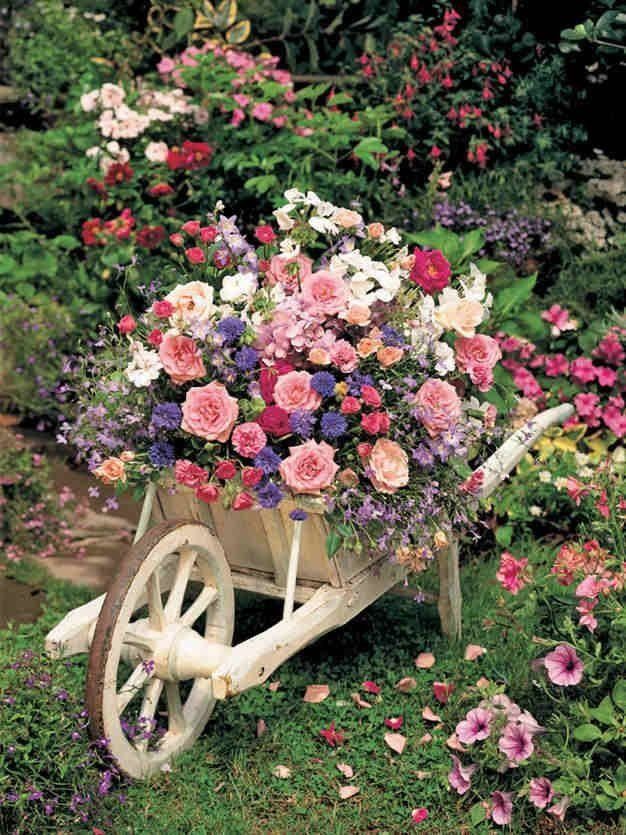
As all life renewed is celebrated
in birth, rebirth, and freedom,
May your life be filled with flourish
and may color glad your heart.
May the wheels of time spin softly
taking you on sun-warmed rides,
And may you know that love, completely,
Blooms and overflows inside.

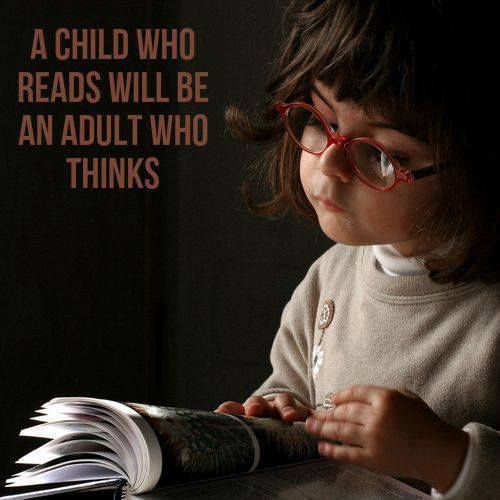
From Pintrest
Oh so true … that a child who reads will be an adult who thinks. Reading opens doors, windows, paths, and secret passages to all manner of worlds and imaginations, language and vocabulary, expression and understanding.
Reading matters.
A reading child is also preceded by a child who is being read to and is spoken to and with, and who experiences being part of conversations and experiences, narrative and the day to day stories of life lived and happenings that happen …
Because:
A child who is read to will be a child who listens, imagines, thinks, wonders, comprehends and symbolizes… A child more likely to read and enjoy reading …
A child who is talked to, who participates in conversation and discussion, is a child who knows to ask questions and answer queries, offer opinion and listen to that of others, be curious about others’ experience and tolerant of differences, ideas, and views… A child more likely to read and enjoy variety in what they read …
A child who is listened to–and is shown how to reciprocate and take one’s turn in listening–is a child who can relate and remember, reminisce and realize, teach and learn, listen, comprehend and think… A child more likely to read and find books a place for expanding understanding and relating …
So …
Did you open a book today? Did you tell a story? Make a story together? The story of going to the store, of cleaning up the room together, of salad making and laundry folding, of visiting the park and counting dogs with spots and kids in strollers, of the rainbow of colors in the produce aisle and the funny thing that silly dances do to your feet and heart and smile …
Go tell some stories. We’re never too old or too young!

“What does it mean, to tell the truth?”
A child asked me that. As usual, they are my greatest teachers. “What do you think?” I returned the question, wondering at the child’s working hypothesis (and chickening out just a little bit–let the munchkin do the hard work …).
I got the look I deserved, and: “To not be a liar.”
“Hmm,” I non-committed. “What does it mean to lie?”
“To say you didn’t do it but you did?” he tried. “And to be mean.”
I raised an eyebrow. This kid was good at reading body language.
“Yeah, because someone else get in trouble.”
“Oh, I can see how that would not be very nice, to get someone else in trouble. Anything else lying means?”
A moment of scrunched forehead. “Is it still lying even if you pretend you didn’t do it but you don’t say?”
“What do you think?”
A sage nod. A sigh. “Yeah, it still mean. Someone still get in trouble, right? Because the teacher think its them.”
“So…” I prompted (he was doing so well on his own, I felt like my words would be interfering).
“So … telling the truth is being not mean?” he ventured. His little face was quite serious, thinking this through.
“Hmm.”
“But truth is hard,” he sighed, a six-year-old summing up centuries of philosophy. “It can get you in trouble. … you know, if you did bad things.”
He paused. “But … then you can say sorry, maybe. Maybe you won’t be in trouble. … if you’re lucky.”
“Yeah, being honest can help.”
Big brown eyes hung onto mine. “What do you think is worser, being mean or being in trouble?”
Tough one. I’m returning it to him. “What do you think?”
“Being mean.” He did not hesitate. “Being mean is worser.”
“How come?” I pushed. Curious. Enchanted by this child.
“Oh … because … being mean makes me more in trouble,” he stated. Pointed to his midriff. “With my heart.”
Old soul, big spirit, that.
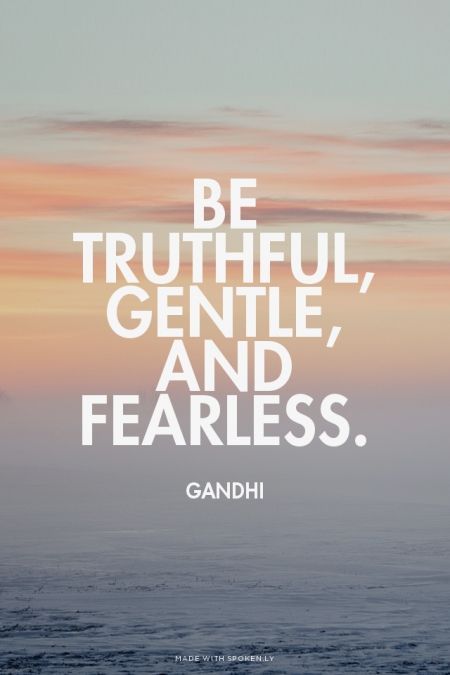

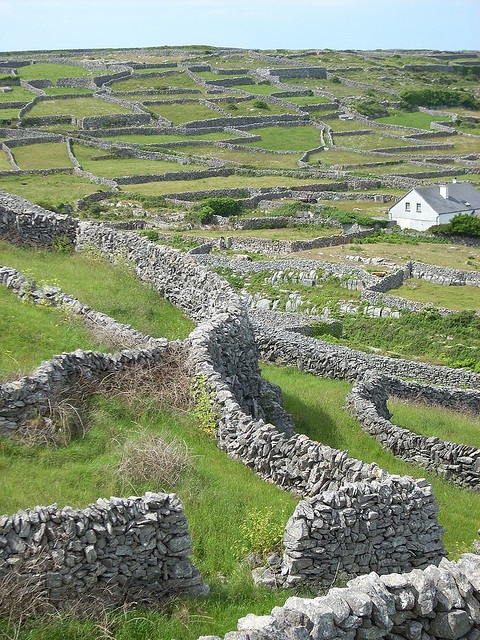
Photo by: anselmona
On the almost eve of a new year, may your path hold clear as you pass into the nascent potential of what is almost born to be. For it can be, in truth, all that there can be.
Not all newness smells of radical divergence. In every sense, all paths we take form in the footsteps of those we already walked. It is where we head, how we carry our present time and what we see as possible, that breathes new life into the future. Farmers toiled for centuries, building fences to clear fertile ground and to protect the livestock with the use of the very rocks that made obstacles for plows. Stones remained stones even as they have become all that and then some.
We, too, are what we always were … and then some. We are who we know to be and what we learned to do about it, how we join the paths of others, how we forge our own to clear ground for new growth (hopefully in compassionate persistence). We are how we build with what is there. How we tend to obstacles and plow potential. What we form within us and around us. How we become what we know.
May the path hold clear in sun and mist, in fog and rainbow. May it be.
§§§
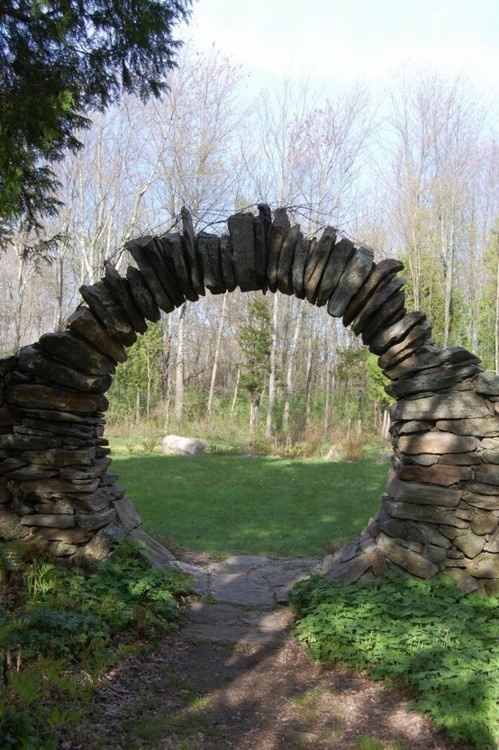
Gateways:
Every gate you pass holds pathways
Of times walked through
Stone by stone.
Every passage holding steady
Leaning onto
All that’s gone.
Every walkthrough
Every newness
Wraps around the times you know.
All the pebbles
Rocks
Big Boulders
That held back
Allowed
Remembered
All that needed
Fought
To grow.

A place to improve my writing skills, and that's all.
We're not thriving, we're creatively photosynthesizing under duress.
History of the Bloomingdale area on Manhattan's Upper West Side
A creative miscellany of mythic fantasies
a weekly flash fiction prompt inspired by google maps
A community for writers to learn, grow, and connect.
To participate in the Ragtag Daily Prompt, create a Pingback to your post, or copy and paste the link to your post into the comments. And while you’re there, why not check out some of the other posts too!
I can't sleep...
Alternative haven for the Daily Post's mourners!
never judge a girl by her weight
original fiction and rhyme
You have reached a quiet bamboo grove, where you will find an eclectic mix of nature, music, writing, and other creative arts. Tao-Talk is curated by a philosophical daoist who has thrown the net away.
A photographer's view of the world - words and images to inspire your travels and your dreams
Life in progress
Straight up with a twist– Because life is too short to be subtle!
WordPress & Blogging tips, flash fiction, photography and lots more!
Light Words


You must be logged in to post a comment.