Mothering

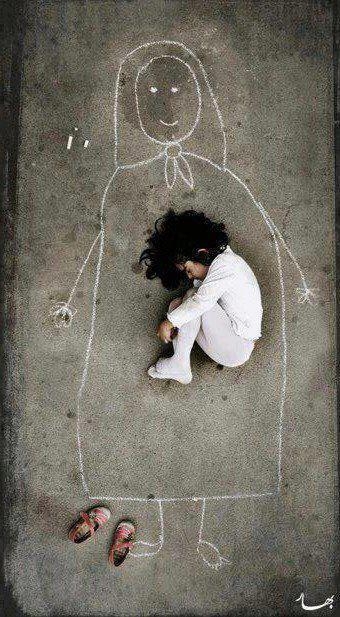
tender care

Thankful

For mothering

In all its forms:

The immediate, the early, the continuous, the delayed;

The biological, the fostered, the adopted, the periodical, the incremental and the unusual;

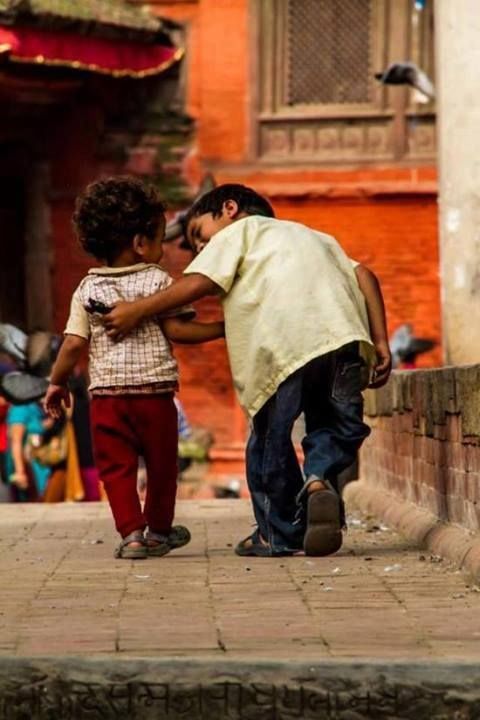
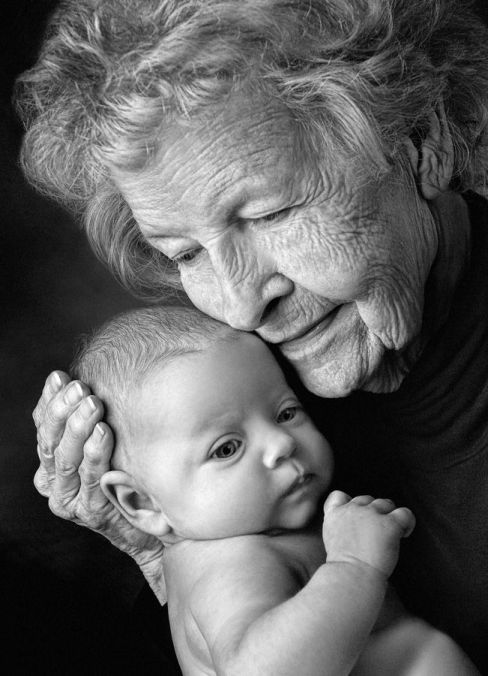
To mothering by women, by men, by friends and neighbors, co-workers and teachers, siblings and relatives, by the kind smile of a stranger and moments of shared understanding;

To mothering by nature, by pets, by ocean waves, by breath and life’s constant flow and ebb;

To Mother Earth and Mother Moon;

To mothering of self, by self, by growth, by age and lessons learned and known …

To all of this, and more;

Thankful for mothering.

In all its forms.

tenderness

love2tree

Note: all photos are taken from Pintrest. If you know their original provenance I’ll be happy to add specific credits!

Communication and Collaboration

Upcoming Webinar!

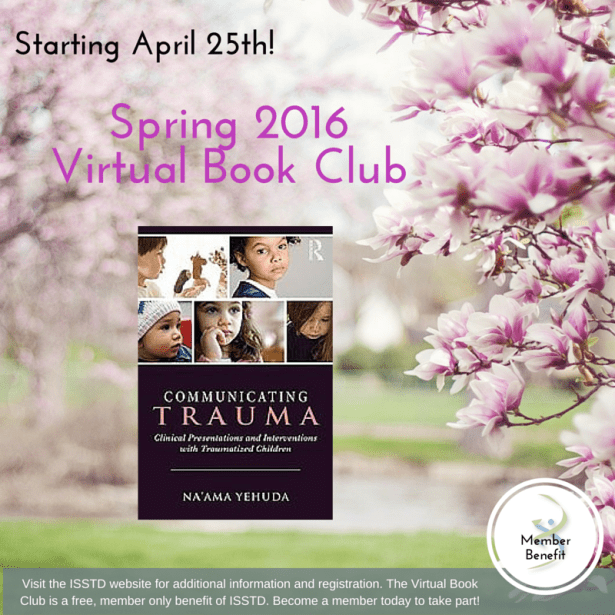
Communication and Collaboration: Multidisciplinary treatment of traumatized/dissociative children

Friday, May 20, 2016
2:00 PM – 3:30 PM Eastern Time

Registration now open! (please see disclaimer in bottom of post)

spacornerJuly12no5

Photo Credit: A.A.

Abstract
Treatment of traumatized and dissociative children is most often discussed in the context of psychotherapy. However, traumatized and/or dissociated children often come into contact with additional professionals. Like all youngsters, traumatized children need to manage everyday interactions with caregivers, educators, and routine childhood medical and dental care. Yet many also face clinical interactions with speech-language pathologists, occupational therapists, physical therapists, medical professionals, and more. This is because trauma places children at a high risk for developmental issues, and because children who already have developmental and/or health issues are highly vulnerable to trauma. In addition to clinical care, many traumatized children encounter legal personnel, forensic evaluators, child protective services, foster care staff, etc.

Posttraumatic and dissociative reactions are not limited to the therapist’s office. Just as communication issues aren’t segregated to speech-language pathologist’s office, asthma to the doctor’s, or sensory integration issues to occupational therapy. Various issues can complicate children’s presentation and behavior, and traumatized youngsters are often judged as difficult, aggressive, manipulative, immature, unpredictable, and inattentive. This can result in painful consequences (e.g. loss of placement, shaming, treatment failure), which further increase stress and reinforce the need for dissociative coping. In addition, caregivers routinely face challenges that can affect course of treatment, and professionals do not always ‘speak the same language’ when it comes to describing, assessing, and treating the child (and/or family). Even when professionals are trauma-aware, coordinated care is not always easy to achieve … and yet is essential for effective stabilization, minimizing compartmentalization, and carryover.

This webinar will look into the often complex realities of caring for traumatized/dissociative children and adolescents, the tapestries of clinical encounters many face, and how these may shift throughout infancy, childhood, and teen years. The challenges (and potential) of coordinated care and communication will be discussed, as would logistical and ethical limitations and suggestions for managing them. Clinical vignettes will serve as a window into ways for improving communication among child/family professionals, and will provide examples for practical solutions for increasing regulation and decreasing posttraumatic activation in all involved. The role of caregivers and the child as part of the team will also be examined.

Objectives
Upon completion of this webinar, participants will be able to:

  • Identify the connection between trauma and care utilization in children and adolescents.
  • Describe three challenges to coordinated care
  • List five strategies therapists can apply to improve communication and coordination in the multi-disciplinary treatment of traumatized/dissociative children

For more information and to register

Disclaimer: I volunteer my time and expertise for this webinar, and do not receive any financial gain from it. Registration fees are collected by ISSTD, which hosts the webinar, is responsible for all fees and/or refunds, and provides an option for CEs for attendance.

Find Freedom

freedomdoor
Photo: http://www.countryliving.com/gardening/garden-tours/


Find freedom in whatever small measures of peace you can.

It is yours for the freeing, yours for the making, your for the taking:

Freedom from stress, from strain, from hand-wringing worry;

Freedom from old tapes and older boxes;

Freedom from stale words and staler habits;

Freedom from harsh realities;

Freedom from histories repeated;

Freedom from bloated egos, punctured dreams, blame, sorrow;

Freedom from more-to-do-than-possible; unrealistic expectations;

Freedom from judgment–inside and out and in between;

Freedom from hate–it is not of you, never was.

Find freedom

In each breath. Each perfect petal of a flower, each song of bird;

In every new life born; all promise, all potential;

In everything you are, and everything you always had been,

but maybe forgot.

Find freedom in whatever small measures of peace around you.

It will grow.

For freedom expands like light in a mirror; multiplied.

You know.

spacornerapril12no1

Photo Credit: A.Asif


Find peace

http://www.pinterest.com/pin/333055334913490394/

Find peace in quiet nature

Find peace in small things born

Find peace in flowers after winter

Find peace in green shoots grown

Find peace in human kindness

Find peace in life galore

Find peace in colors blooming

Find peace in blue-green shores

Find peace in sunshine streaming

Find peace in mornings’ glow

Find peace in smiles unexpected

Find peace in rivers’ flow

Find peace in children’s laughter

And hope in hearts who know.

oldfriends

Spring Balance

spring equinox balance

The vernal equinox greencolander

Balance … that point of perfect stillness …the place of pause between the inhalation and the exhalation … the being in (yep, it would flicker) peace …

We seek balance. We crave and hope and workshop and self-help and click on links for it … We want balance yet all too often forget it is only a passing blip on life’s experiential radar screen. Rather than suspended animation, balance is a state of never ending mini-bobbles, of constant readjusting, of rolling with the punches, of going with the flow.

How paradoxical that balance is unsteady. It calls on every sense to be alert for small corrections, on perceptions to be both relaxed and sharpened.

Yet it is not a paradox. Not really. Complete stillness isn’t balance–it is frozen. It immobilizes. Holds down, prevents change.

Life flows, and we’re at our best when we are most aware and without anxiousness. We are most balanced when we’re in the moment, in the wobble, readjusting; undeterred.

Nature is as always, a most persistent teacher. It demonstrates balance twice a year. Points of pause from which to slow or quicken; momentary balance to remind us of how all stillness shifts; how balance IS the shifting.

Nature pauses in perfect timing … For as we move from winter sluggishness to the rapid march of spring; balance can seem suddenly untenable: how does one possibly do all there is to do, attend to all that’s going on–with ourselves, our families, our job, our countries, our world ….? How does one catch up with the riotous and springy energies?

The very point of stillness into seasons’ change, reminds us that like everything, we are also called to flow … adjust, keep boundaries, recalibrate yet not stop; swim the current but not be carried over and bashed by white waters; harness new potential and use it for growth, rather than destruction. We are reminded to let go not into helplessness but to a gentle bobble-wobble.

Nature also reminds us that we need to breathe. To play. To laugh. To live in the moment. To watch children and babies–so much new life opens in rebirth–and learn from their unrelenting exuberance even as we also learn from the unwavering subtle protection of good mothers who allow young minds to be both curious and safe.

It is in the small beats of life–the pause between the whoosh-whoosh of your heart, the stillness in the pendulum before it resumes movement, the perfect balance of the light and darkness–that all potential lives.

May you spring in balance. May balance bring more spring into your step.

hello spring

Pathways to Hope

path

In times of much uncertainty,

It can be hard to see a path

Worth taking.

A walk unencumbered by darkness or demise

Might seem improbable

Potential tarnished

Possibility destroyed.

For there is so much vitriol. Fear-mongering. Divisiveness. Incitement.

There may seem no way worthy.

No path available; a future bleak with war.


There’s hope, however, in paths semi-forgotten

In steps untrodden

In walkways hidden under heaps of misdirection, worry, mirrors, smoke.

There are sturdy lanes to follow.

Not the blathering ones cluttered with false promises or empty bravado

But the ones one forges

With their soul.

These paths, too, are waiting

Ever present, patient, true to form.


In a time when paths seem blocked

Futures sold to the highest bidder

The loudest, richest, most shocking

To the very wrong …

There are still avenues

Unmarred,

Open vistas

Brimming with

Clear breath

Kindness

Real growth.


So if you find the path a-twisted

If you feel the weight of futures crucial to avoid,

Step yourself away from highways-into-nothing

And take instead a quiet stroll

Into your soul.

Find solitude

Hold empathy

Recall respect for all that is,

The Truths that make life possible:

Compassion, not destruction

An open heart

The step by steps which widens futures

To allow companionship

Acceptance

The brilliance woven into threads of love

For tapestries of hope.

path lit

“A Bandaid for my heart”

She asked me if I knew about dying.

I said I knew it hurt when someone we love died.

She nodded and fiddled with the pencil, poked the tip against her finger, poked again. Again.

I wondered if she was trying to make the hurting take a form she understood through the pinprick of a just-sharpened pencil. I gently put my hand on hers.

She looked up at me, thankfully without embarrassment or worry of judgment. Feelings weren’t easy for this child, whose very early years were filled with much that couldn’t be expressed and had no wording. Her grandfather passed away right before her birth and a hue of grief lingered many months, adding to her mother’s post-partum depression. Her mother has recovered since, and the home was generally caring, but unspoken early patterns of if-you-are-quiet-you-won’t-overwhelm-mom and waiting for another’s space to open so you can have your needs met still played out often. The girl, not yet ten, was more likely to attend to others’ feelings than her own; more likely to dismiss her anguish to not distress others.

I smiled at her and she smiled back shyly. Her eyes glistened and she sniffed.

“My dad told you?”

“Your mom did.”

Her eyes flew to mine, surprised at being thought of. She took another breath. Tears slid down her cheeks.

“I’m sorry, Sweetie.” I handed her a tissue and snuck a bit of extra affection into the gesture. Just because. She noticed. Smiled the sad smile again.

Her great-grandmother died two nights before. Her father’s grandmother was a fixture in the child’s life. A rock. The one who filled the gaps, stepped in, held, held on. An elder in the best sense of the word. There was a love there that spanned generations. A special bond with this child.

It was a gentle death, the mother said. Doctors believed the grandma had passed away peacefully in her sleep. No pain. No long decline. That was a blessing, but for the child this loss still hollowed.

“I didn’t get to say goodbye,” she whispered.

“I know. I’m sorry.” I moved a strand of hair off her cheek. “You can still say it. Maybe not in the way you’d have wanted, but still …”

“Yeah,” she sniffed. Dismissed. Reconsidered. Looked up. “How?”

“Any way you can think of, almost.”

She pondered. “Dad said she can hear me. In my dreams. In my thoughts.” Her eyes probed. She wanted to believe it.

“I believe that’s possible, yes.”

“How?”

“I don’t know exactly. I just feel it. In my heart. About people I love and passed away. It feels right to me that we are still connected, that in some way they can hear me.”

Her eyes overflowed again but her face softened. “I think I’ll talk to her. Tonight, maybe. You know, just me and her.”

I nodded, smiled.

She sighed. Drew in a shuddering breath. Sighed again.

“I miss her,” she whispered. “It hurts. I wish I had a Bandaid for my heart.”

hands-and-heart