Practice gentleness

Cultivate softness

Live care
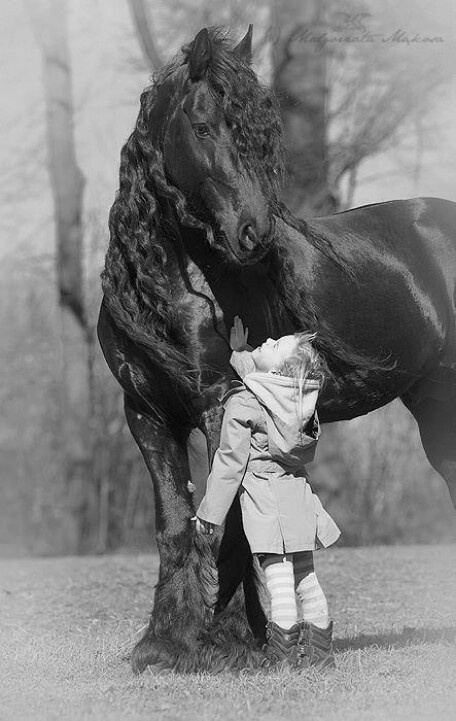
Hold light

Speak kindness
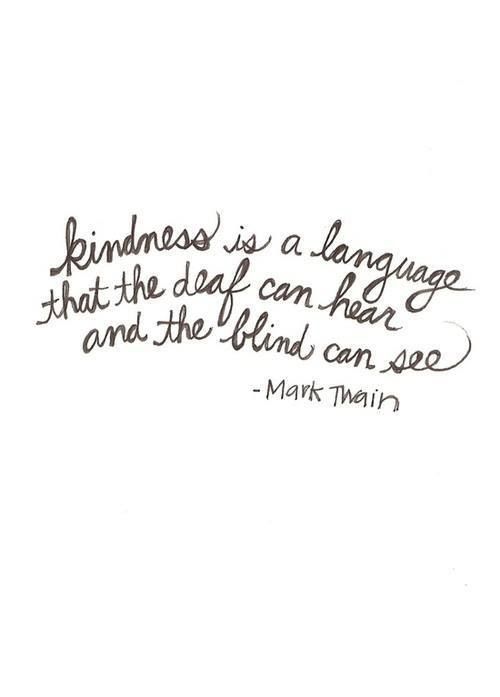
Communicate love


Practice gentleness
Cultivate softness
Live care
Hold light
Speak kindness
Communicate love

Peace is not made by force
Or guns
Or terror.
It is not reached through the infliction of an added pain
Unto another
In the name of God or righteousness.
Peace is not made
By fighting for it with hatred
Or another war.
Children everywhere are children
Worthy of far more.
May compassion multiply and kindness grow …
To put out the fires of hatred and division,
The smoldering of war and rage,
Of profiteering and apathy,
Of greed and power-hunger
Disguised as they can be by flag or faith or vocal moral lore.
May compassion multiple and kindness grow …
To pour cool peacefulness
On zealots and prejudiced
And remind them we have all been born
Under the same skies
In the same form
Onto the same blue-green shores.
May love flow through the wounded places
Through the broken walls and empty spaces,
To fill the shattered hearts with light,
To gently hold
Let light unfold.


This is a beautiful story.
Not a new story, as those go, but still freshening and as heartwarming as the day it was first aired. It tells a story that is timeless. Of kindness. Of empathy and care.
It is a story of a regular man who did something quite extraordinary and by that touched the hearts of many along the route. Literally.
This won’t take long–not even three minutes, actually–but it will make your day.
Watch and smile.
http://www.youtube.com/embed/9hnbmml8fOY

Little Emily will melt your heart.
Not only precociously verbal, adorable, and poised, she also has empathy, kindness, unflinching generosity, and a huge soul unconstrained by her little body.
Good for her! Good for her parents for advocating caring, recognizing empathy in their child, and sensitively giving her a way to provide a kindness. Good for Uncle Matthew, too … for first giving a haircut to the doll … (love that old trunk booster, man!)
May kindness flow so that unnecessary pain no longer finds foothold and loving actions shine like this child’s heart of gold.
http://www.youtube.com/watch?v=iwQZggdZrOo

Practice kindness.
Live generously.
Speak truth.
Cultivate love.

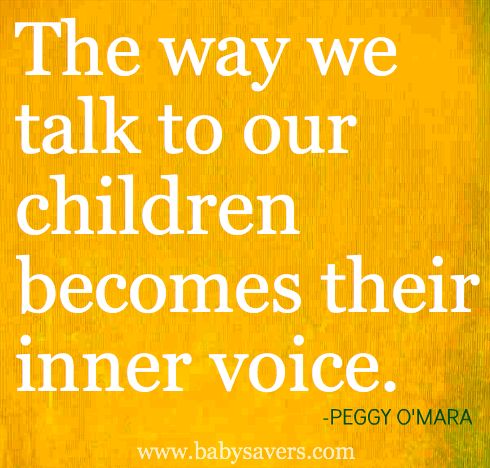
Be gentle.
Be truthful.
Be kind.

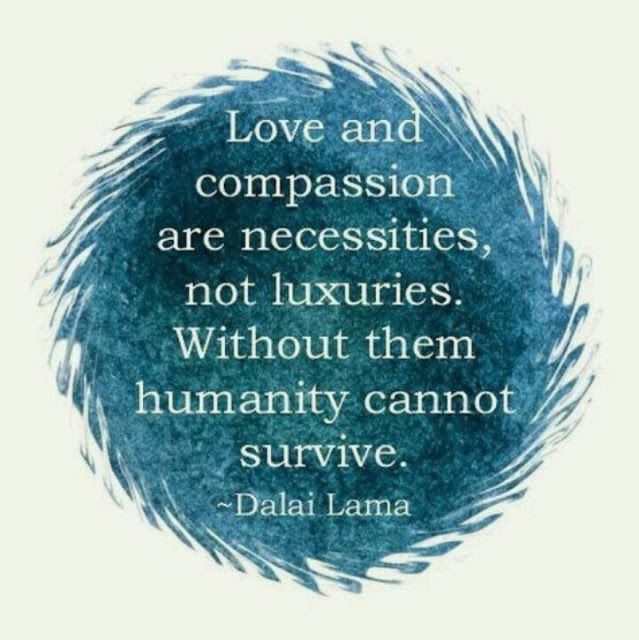
Be loving, be compassionate.
Let your heart break if it must–for it will, possibly often–it softens the edges as the heart expands along the broken places to make room to hold more love alongside an improved understanding of tenderness. Heartbreak is the process of growing.
Let your heart smile whenever it can–there is much joy to find, even in the midst of hardship–it warms the spirit and fills the tender places with the bubbly gentleness of connection. It makes the insurmountable, possible. It makes aches be shared. It lightens the burden others carry.
Be kind. Be patient. Understand hardship. Accept pain. Offer comfort. Withhold judgement: there is no weakness in need.
We all need one another, at one time or another. The cycle of life turns so that where you might have needed to be held, you are now called to do the holding. And it is as it should be. It is as it was meant to be all along even if we could not know before.
This is how we all are–all connected, interwoven through lifetimes of experiences and shared moments together. Moments pass, shift, change; the connection lasts forever. No matter where life takes you–or the other–heart care does not become undone. It becomes a foundation, a tapestry of souls and knowing, a universe of kindness intertwined.
Hold tenderly to those close to your soul, deepen the love you have for them even as you open your heart to include more and more people. You can do this. You will find the room: hearts stretch. Your heartstrings will grow long and many, and you’ll be richer for it. Worry not. Hearts that practice holding more compassion can contain more love than you ever thought possible … and can grow more loving still.
Kindness matures the heart and raises it. Love heals. Cultivate kindness. Fund love. It is the currency of human nature in its best. It is what makes us who we truly are.

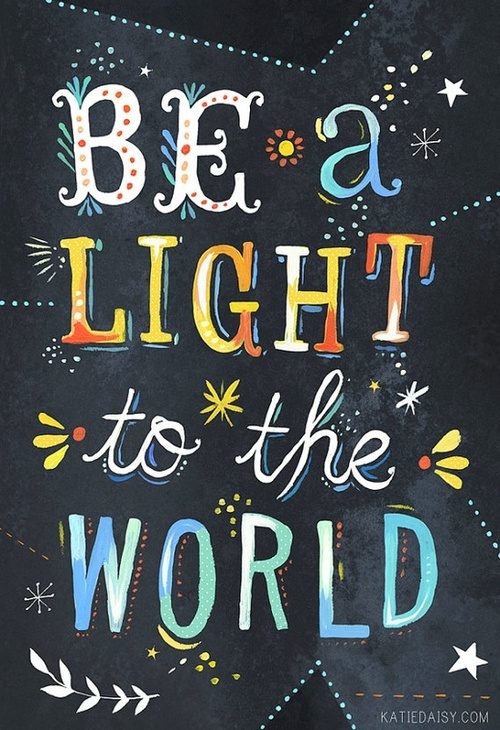
“Can people be like light?” The question comes from a bright-eyed five-year-old (who in my view lights the room wherever she goes …).
“What do you think?” (my almost standard response to children’s questions–lets me know what they already have in mind …)
“I don’t know,” frown, scowl, “that’s why I’m asking YOU!”
(Oops, strategy backfired. Okay, I guess I deserved that)
“Why are you asking?” I am treading carefully here, asking again in a different way, but I am really interested in knowing what the question is about.
“My Nana told me I’m her light,” the girl’s young forehead creases in concentration. “She said, ‘you the light of my life!'”
“Aw … it’s a great expression! And a very sweet thing for her to say. I can totally see why.” Children of her age group often begin to notice that there are some things people say that do not quite make sense: the words don’t add up, and they realize that there has to be another meaning, something else that’s being conveyed by the words but is not the words themselves (e.g. “she has a sharp tongue” or “he has no heart” or “raining cats and dogs” …). Sometimes they can infer the meaning, sometimes they are lost or have some sense they are not sure about. I love it when they ask. “What do you think she meant?”
Girl shoots me a “there she goes again with her Speech Pathologist questions again” look, but she relents. She’s patient with me. “That she loves me?”
“Yep … and what else do you think it can mean that you are the light of her life?” I wait.
Eyebrows up, lips scrunched in thought, “… and … that she’s really happy to have me or happy to see me maybe?”
“Yes! Both. Very much so. Also that you are important to her, and that you bring her joy, and that you make her feel better by simply being you. All of that.”
The child smiles. Beams, more like.
We go on with the session. Suddenly she stops again and asks (it is very often that things percolate a while before another level of query bubbles up to the surface): “Can someone be a light for other people?”
“Do you mean for more than one person?” I want to make sure I understand.
A nod.
“Absolutely. I think you can be a light in many people’s lives.”
Pause, thought, creased forehead. Smile. “Oh, like, if you turn the light on then it is light for everyone?”
My turn to nod. My turn to smile. Super smart cookie, that one.
“Cool!” Eyes wide. Now that she’s got it, she runs with it. “I wish … I wish I could be a light for every every EVERY ONE in the whole wide world! A big light that goes all over around! You think I can?”
She may not know it, but I think she already is one …


“ENOUGH!”
How many times have you heard this spoken loudly (word interchangeable, same intention) from a fed-up parent, caregiver or teacher to a child? How many times have you yourself said this or something similar in anger, to a child?
Frustration happens when dealing with little ones with strong opinionated minds and limited awareness for time, urgency, consequences or your priorities; it is inevitable. Children can be persistent, stubborn, wild, loud, aggravating, aggressive, irritating, exhausting. Caregivers get fed up, tired, annoyed, irritated, overwrought. They can have bad days with too much to do, too little sleep, too many children to care for, too many demands with too few hands to do them with, too many worries. Crises, emergencies, a clogged sink, a car that would not start, yet another ‘accident’ right after cleaning is finally done … Children, especially young ones, rarely know to take adult burdens and juggling into account. On the contrary, it is as though they are uncannily aware of any lag or energy slump … and if anything, are more likely to be needy, clingy, whiny, and doubly argumentative exactly when you have the least time or energy to spread around … (FYI, it is mostly not done to drive you nuts, but because children may need to reassure themselves even more when you are stressed, that you are there for them: a difficult cycle, when you have to be extra-patient when there is least patience to be found …).
Parents and caregivers are human. They make errors. They get upset. They may raise their voice, match their child one to one in volume, heel-digging, and demand. It happens, and as long as it does not happen too often, it can be repaired with comfort and apology, time to reconnect, some soothing, an opportunity to explain and understand.
In general, however, children listen better when the volume is set lower. Calm allows the brain to form connections that make meaning, while anxiety and overwhelm awaken circuits of survival while shutting higher learning down. Experienced teachers will tell you that they keep their voice low to keep the children listening: it may seem paradoxical, but in effect it works like a charm. Gentle speaking allows the intonation and cadence of your thoughts to pass through better. It allows the listener to let it in without alarm. It differentiates emotions and helps regulate a child’s understanding of nuance and intention.
A raised voice is a good tool for calling an alarm, to keep the child away from danger, to make clear what should not be done to prevent harm. For instruction, though, the raised voice spins way off the target, and misses by a long shot: the meaning of the words you wanted to convey gets lost in the tone and loudness of the sound.
We cannot force flowers to grow faster by pulling on the stalks, nor would it help if we stalked constantly, demanding them to hasten. We cannot make a plant drink more by spewing a stronger stream of water–it will only exposes roots and hit raw nerves. With children, too, we cannot force growth by raising our voice or hardening our words. We’d get a reaction, maybe, but not learning, and we’d shut down tendrils of potential besides.
“Raise your words, not your voice” Rumi said. Yes. Whenever possible, use good words, taken from and guided by the better part of yourself or the best part of yourself that you can find at that moment. Explain more, demand less: “it is rain that grows flowers, not thunder.”
Children, too, grow best in gentle sprinkles, rather than thunderstorms.

And He Duly Obliged…. (click link to go to original posting at thekindness.com blog)

Lovely!
Good for his mama for teaching him to be discerning in seeking help AND for letting him know that he CAN seek help if there’s something too big or difficult for him to manage. As for the task itself–I think the match is perfect! A cop ones told me that police officers tie very good knots–the last thing you want is to have a lace go loose when you’re chasing a suspect…
Good call, kiddo!
(and good job, Mr. Cop!)

A place to improve my writing skills, and that's all.
We're not thriving, we're creatively photosynthesizing under duress.
History of the Bloomingdale area on Manhattan's Upper West Side
A creative miscellany of mythic fantasies
a weekly flash fiction prompt inspired by google maps
A community for writers to learn, grow, and connect.
To participate in the Ragtag Daily Prompt, create a Pingback to your post, or copy and paste the link to your post into the comments. And while you’re there, why not check out some of the other posts too!
I can't sleep...
Alternative haven for the Daily Post's mourners!
never judge a girl by her weight
original fiction and rhyme
You have reached a quiet bamboo grove, where you will find an eclectic mix of nature, music, writing, and other creative arts. Tao-Talk is curated by a philosophical daoist who has thrown the net away.
A photographer's view of the world - words and images to inspire your travels and your dreams
Life in progress
Straight up with a twist– Because life is too short to be subtle!
WordPress & Blogging tips, flash fiction, photography and lots more!
Light Words
 Na'ama Yehuda
You must be logged in to post a comment.