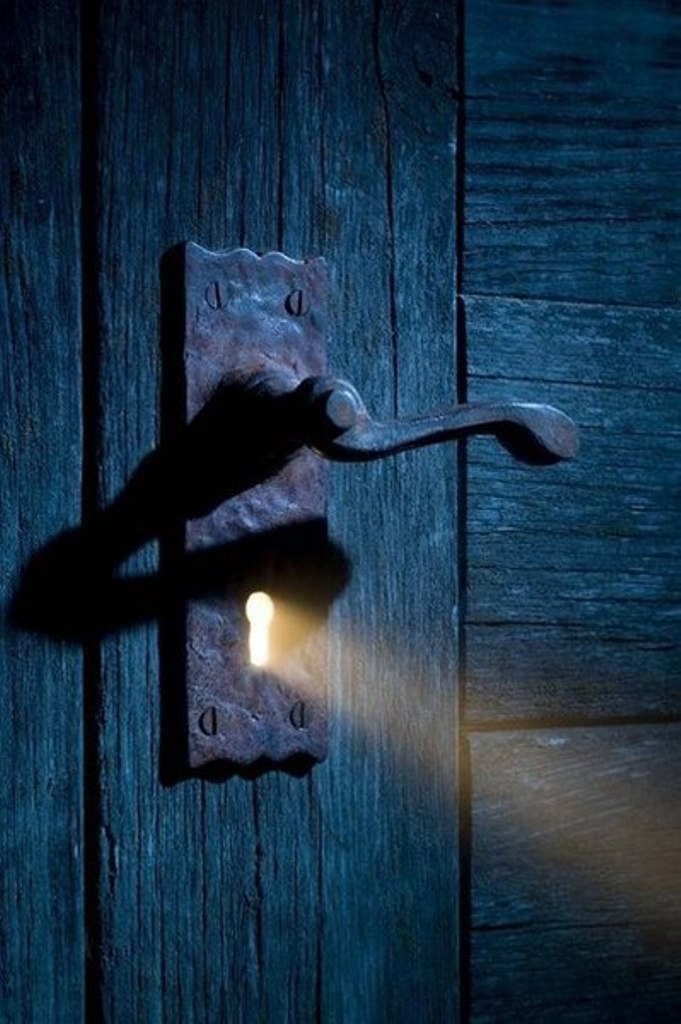
Light can find the way
Through the narrowest keyhole
If we hold it
Up.
If we open
Eyes and hearts.
Light can show the door
To releasing darkness
Till it is disarmed
Transformed
Transmuted
Away
Into the light of
a new day.



Take a road
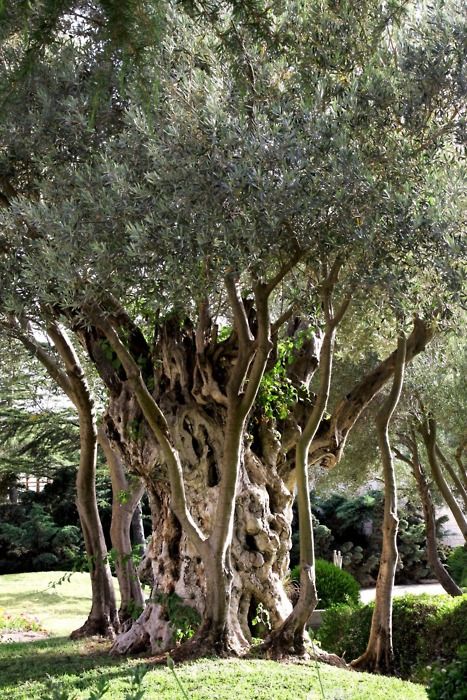
To the old
Olive tree.
In the city
Of God
It has seen
Two millennium of
Seasons
And more.
It has borne
Many fruits
Born of peace
Lost to war.
It allowed countless branches
Be shaken
Come harvest.
Its gifts of
Ripe ovals
Olive branch,
Nourished life
Lighted shores
Hallowed faith, custom, lore.
Take a road
To the old
Tree of yore
Still within us.
In its gnarled trunk
A history
Written in
Well-bent rings
Wrought in
Famine and drought
Rain and flood
Hope and blood.
Take a road to
The old tree that still stands
In a sacred
Scarred city
Named for sighting a peace.
It awaits
Patient and life-lived-long hollowed
To awake
One true day
To a lasting glow
Of eternal Hello.



In this evening and upcoming day of Memorial
As Israel remembers its fallen
As parents, siblings, loved ones weep and mourn:
Let it be the last day of new pain
Let there be
Please, oh God
No more war.
Anywhere.
No more dead, no more graves
No more maimed
No more grieving.
Let the bloodshed be ended.
Let the warmongering cease.
Let those who entice pain, find ways of words.
Let those who live hate, open hearts, make new doors.
There’s a way.
No more war.
We’re all people.
All someone’s baby, sibling, loved one, neighbor, friend
We all share more than what can divide us
We all hurt, love, hope, bleed.
No more violence.
There is no need.
Let there be
Hearts that open
Light to hold, hope to share, peace to mold.
Let there be
No more war.
As we weep for the fallen
As we remember what happened and wished that did not
As we tally the terrible price
The unnecessary ripping
Every death, every wounding
Agonises an ache in our hearts
A hole in our souls
Let there be
From now on
No more war.

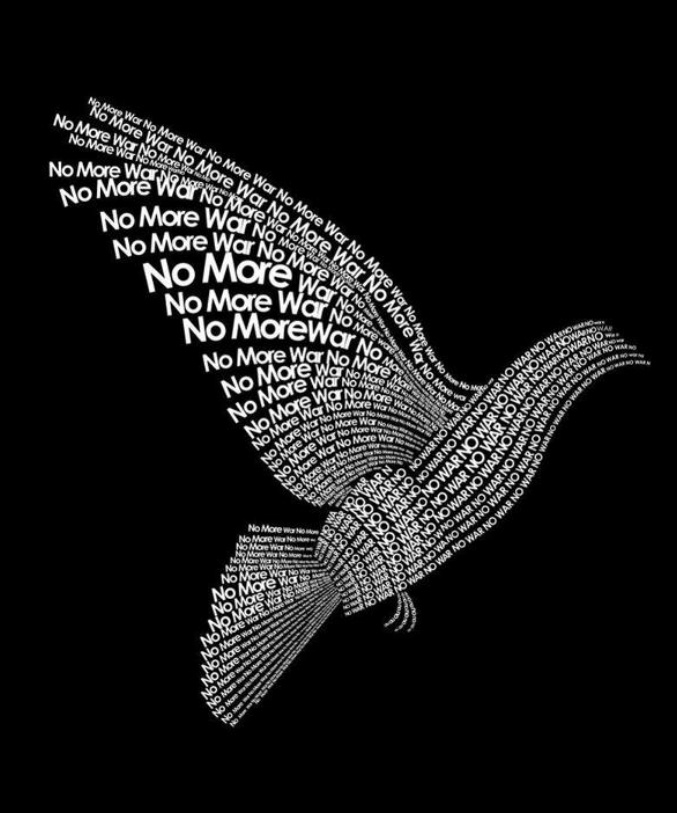

Peace is not made by force
Or guns
Or terror.
It is not reached through the infliction of an added pain
Unto another
In the name of God or righteousness.
Peace is not made
By fighting for it with hatred
Or another war.
Children everywhere are children
Worthy of far more.
May compassion multiply and kindness grow …
To put out the fires of hatred and division,
The smoldering of war and rage,
Of profiteering and apathy,
Of greed and power-hunger
Disguised as they can be by flag or faith or vocal moral lore.
May compassion multiple and kindness grow …
To pour cool peacefulness
On zealots and prejudiced
And remind them we have all been born
Under the same skies
In the same form
Onto the same blue-green shores.
May love flow through the wounded places
Through the broken walls and empty spaces,
To fill the shattered hearts with light,
To gently hold
Let light unfold.


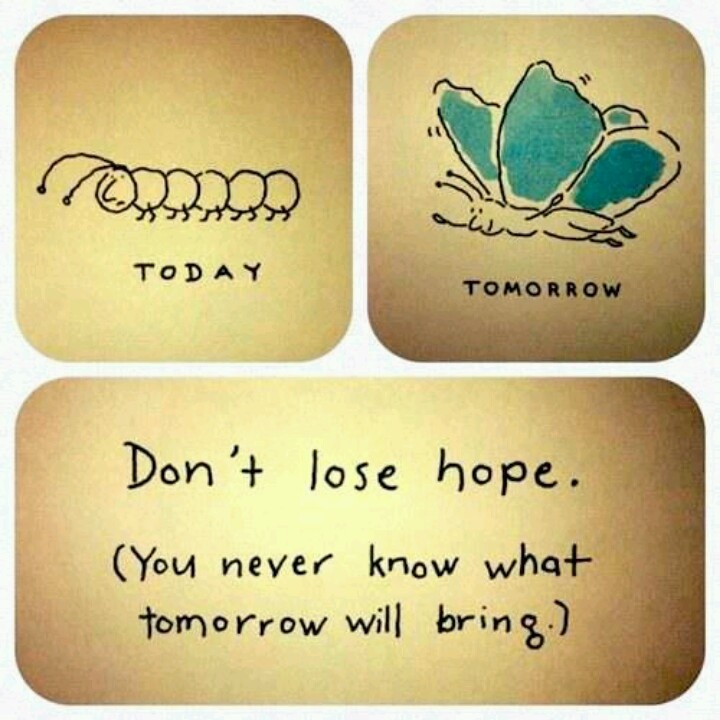
When instead of this day

you had something more like this day …

don’t despair …
and remember
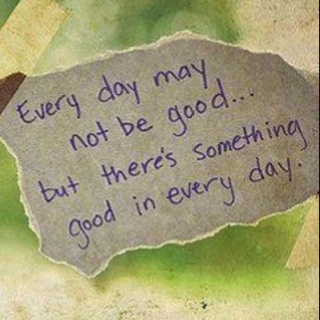
after all, there’s you …
and anyway
on any day
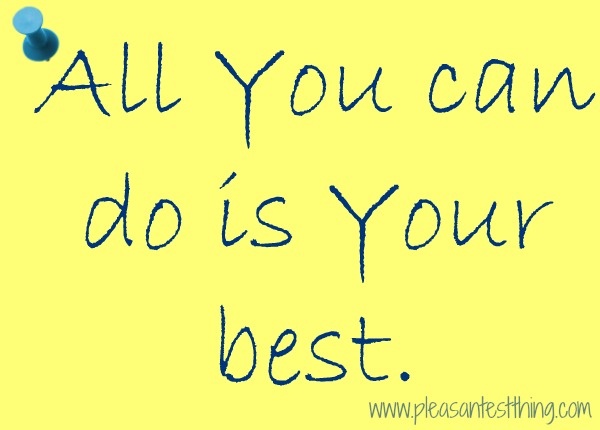
so don’t forget
to hang in there, to
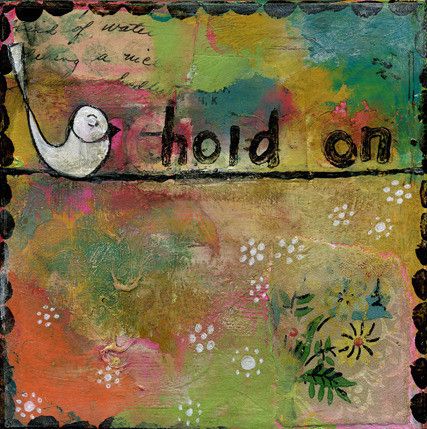
because today may have been
less than glorious
but

Needing some guidance? Oh, have I got a great spot for you to go to!!
If your life feels upended, out of whack, overwhelmed–here’s a splendid path for you to follow–check it out: Adele and the Penguin–making sense of an upside down world, is a delightful site in general, and to top this off Adele is currently running a series of practical, spiritual, and path-enlightening entries on how to manage life’s upheaval and find light aplenty through dark tunnels of tough stuff.
Down to earth, high on spirit.
Read it! To borrow Adele’s oft expression: This is fab!
In this awesome series, there are two installments down, one to go–read them now, so you have time to mill it over before the third one makes a show.
First Installment: Challenges for today’s brave Lightworkers and Healers
Second Installment: Initiation Portals for today’s brave Lightworkers and Healers
Third one coming soon and I am absolutely sure–worth it, so be in the know!
[While you’re at the Penguin, poke around. You’ll find gems in every link. Great stuff abounds!]
In response to today’s entry re: portals--some thoughts, and much gratitude to the soulful words and instructing teachings of Adele (seriously, check out her website, you will not be sorry, and you’ll likely get a good laugh while you’re at it–she’s serious fun!):
So very important, Adele, and so true. For, yes … for the good to be distinct, we must KNOW what is bad, how to recognize it and how to forge a path to emerge from it into new homes.
Like the oscillation of a pendulum, the higher we want it to go to one side, the lower it must go to the other. It cannot go up without repeatedly dipping down. We cannot soar without plummeting. It is comforting to know this is how it is done …
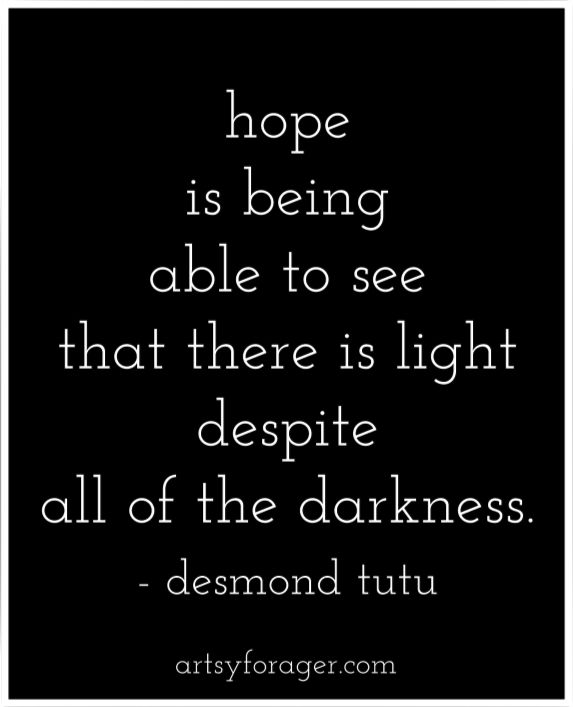
For light to be defined, we must know the depth of darkness. It is the bog of hopelessness that teaches the power of a ray of sunlight and a handhold. It is the horror of cruelty that magnifies an act of kindness and instills the absolute knowledge of the transforming power of empathy and love.
Let there be light in the darkness; let there be a handhold to have in the depths; let there be hope in the void; let there be help in the desperate corners of pain; let there be friendship in the loneliest places, let there be love to weave strength with in the most desolate place. Let there be new rising bright, rising wise, from the old.
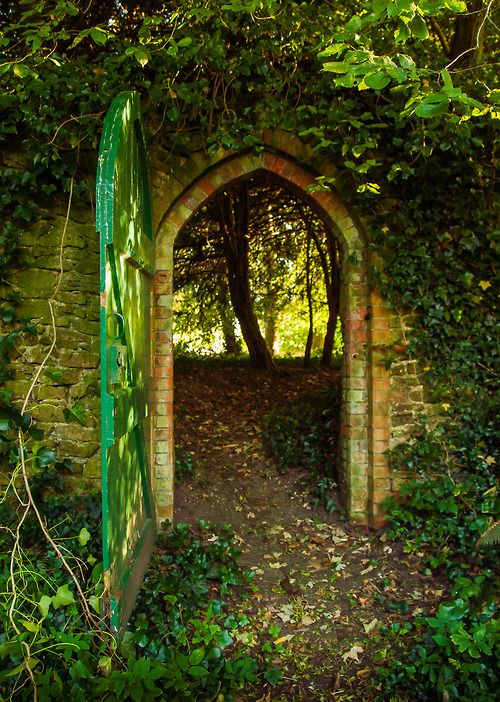

Let the sun rise on mornings
After nights of the soul
Long and dark
Cold with fury and worry
Seeking hold on
Tangled walls.
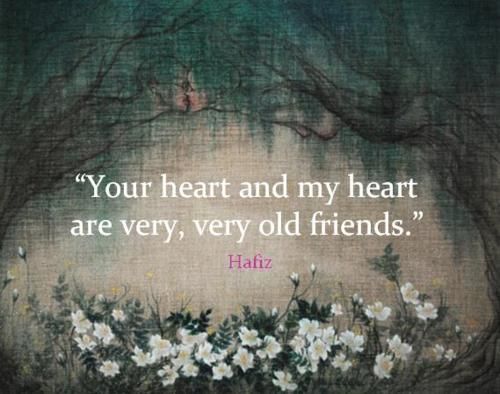
Let the sun rise on mornings
My heart friend
Worry naught.
Our hearts know
There are quarries
Earth alone
Leaves unsought.
Let the sun shine
On mornings
Bright as dawn on the sea
Fast to shed
All the fretting
Laughing, bursting to be.
Let the sun rise on mornings
One more time
Or few more
There are tides still awaiting
To curl foam
On your shore.
Let the sun rise
Within you
Have no fear
Time goes on.
It’s the soul deep within you
Knows the way
As it may
Not alone
Journey home.


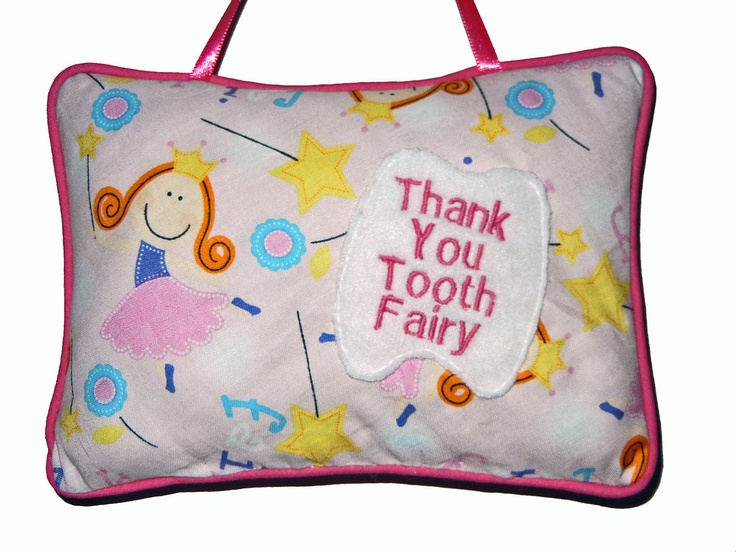
“Is the tooth-fairy real?”
The six-year-old shows me a new hole in her mouth. First wobbly baby tooth fell out over the past week, welcoming this Kindergartener to a new world, as well as placing her face to face with the frail veil between reality and fantasy, logic and magic.
“What do you think?” (again, my standard reply: she must have some hypothesis about this if she’s asking. I’m more interested in knowing what she’s thinking than telling her about mine)
Frown. Pause. A searching look–am I doing the ‘adult avoidance of answers dance’ or am I really interested? She decides I’m worth the effort.
“I think she’s not real,” the little girl curls one side of her mouth with the bitterness of the words.
“Wow, really? Why??” The surprise in my voice is real enough, even if the extra oomph to it is intentional as a way to mirror the depth of the child’s emotion about this.
“Because it is really not her. It is mommies and daddies. The tooth-fairy is just pretend. I saw my mommy put the dollar under my pillow,” she is trying to sound very matter of fact about it, but she is disappointed. Crushed, more like. A little miffed, too, for the charades, and for having noticed it. Certain kinds of knowing exact a high price.
“Oh, well, maybe the tooth-fairy just needed their help,” I note. Sometimes such announcements about magic-loss are actually challenges, fragile requests for help in restoring the possibility of wonder, Santa-Clause, and fairies.
Eyebrows raised–am I trying to trick her?–but there’s also a smallish rounding of wonder in her eyes. She’s curious now. Hopeful. “What do you mean?”
“Well, I’m thinking, all those children losing teeth. I bet sometimes there are just too many in one night for the tooth-fairy to get to, so maybe she asks the parents to help.”
“Oh.” A moment of silent thinking. She’s letting this in, perched on the fence between accepting what she wants to believe, and what would put doubts to rest but also put out magic.
I wait. There’s no rushing works of hearts.
“So …” she pipes up, “Maybe my mommy helped because there’s only one tooth-fairy and she was too busy?”
“Maybe, huh?”
“YEAH!” her face transforms. It is lit now. “Because the tooth-fairy, she only has little wings, and maybe she had to be very far, like in California … so she couldn’t have time to come everywhere at night!” Pause. Smile. Wonder in her eyes. “You think maybe next time … when my other tooth falls, see? (she demonstrates a minor-wiggle in the other top incisor), you think the tooth-fairy will maybe be in New York?”
Magic restored.


“My life is over!” the child’s tone says it all. It has been an especially rough day. He failed a test he’d studied for, got passed over for the team he wanted to play in, and just found out he needed glasses. Oh, and that he’s allergic to dairy. The food he loves most in the world is pizza. Figures.
I could see something was wrong when he came up the stairs with shoulders slumped and legs dragging. He’s usually content enough to come here, but today the last thing he wanted was to have to spend time after school doing ‘after-school’ learning. He likes me well enough, but in the competition between play-date, video game, movie, or seeing me, I don’t stand a chance. It’s as it should be. I get worried if children prefer coming to me to having spare time or play time or get-home-and-relax time. He’s unusually unhappy to come this time. Or rather, he’s unusually unhappy, and it shows. Make sense that it would. Am glad it can.
“And I’m never ever going to be like everyone else,” he adds, having listed the tally of difficulty, bummers and unfairness.
“Why is it good to be like everyone else?” I ask.
He returns the look I probably deserved–the one reserved for adults who ask stupid questions when they should know better and when the query is not even worthy of the effort of forming a reply.
“Okay, okay …” I chuckle, hands up in trounce. “I didn’t mean it that way. I do, however, truly think that everyone is different and that it fine and often even better that way.”
Eye roll. At least he regained enough energy for sarcasm. “Yeah, sure. But you get to be really different and you end up being weird.”
Fair enough.
“And anyway,” he sighs. “I don’t have a choice. Everyone has to do the same stuff at school, and everyone is supposed to get good grades, and be popular and that kind of stuff.”
“Hmm …” (when I say less, the kids tend to say more … I wait).
“School is too hard and it is too boring. And my dad thinks I’m not trying but I am working hard. I’m not a genius or a nerd or something. I’m not good at reading and I suck at math. And science … I failed science … my dad is going to hate me when he finds out.”
I wish I could rush to reassure this boy–barely 11 and already so jaded–that he is not expected to be like everyone else, that he is not expected to excel in everything regardless of his relative strengths, that his perception of needing to be popular is not correct … or that his father would not have a reaction that would crush him. Oh, I know that the father would not hate him, but he can be critical, and he tends to view grades as the only reflection of effort. He would likely see a failed test as an immediate proof of his son not trying hard enough. Even if he does not ‘punish’ him by taking away computer time or confiscating his phone for a weekend, the disappointment alone will devastate this child.
“He doesn’t understand,” the boy adds. His voice catches and he looks away, old enough to have internalized the (mis)conception that tears are somehow yet a marker of weakness. He doesn’t want to show me how much this matters. “I studied really hard and I knew all the notes but then the teacher changed the questions. How was I supposed to know the answers to those?” the color rises in his cheeks, wetness in his eyes. He looks away again.
“I’m sorry,” I say. I mean it. “I know how hard you work and I can see how having different questions–even if it was about the same material–can make it much more difficult. It is hard to figure out what the teacher meant and what the questions are about.” He nods. This boy is not making excuses. He comes to see me because he has difficulty with retrieving information–the access to what he knows is hit-and-miss, his brain behaves more like one big dump of knowledge than a filing cabinet. Information comes in haphazardly and is later hard to recognize or organize. He is smart, and he understands the material. However, change it around and he gets lost.
The teachers only marginally understand it. His father thinks that there’s nothing wrong with his son that a bit more ‘motivation’ won’t fix. It is curious, you might think, that he is that harsh when he admitted to having had learning issues himself. Or maybe not curious at all: people can pass judgement like a hot potato–what they cannot stand to hold, they put onto another. It can be especially so between mother and daughter, between father and son. Mirrors are a painful thing for what one did not accept in oneself and sees reincarnated in their progeny.
“Would you like me to speak with your father?” I offer. I’ve done it before, and it helps some, if temporarily. The father is of the opinion that I am far too soft and that kids wrap me around their little finger and I think they can do no wrong. He is not all that far from the truth, actually. I do believe that softness and kindness get farther and build better than harsh critic and demand. To his credit, the father also respects my opinion, and he does–quite touchingly–love his son. He told me once, in a moment of vulnerability, “I don’t want him to go through what I did. I want him to fit in better. To be a better student than I was. To be like everyone else.” (Yes, the boy now worries about same. Children will take on our fears and worries–they are acutely tuned in to what we think, even if we do not say it. They will know, and take it on)
The boy nods. He looks up at me then, hopefully slightly relieved–if not with the possibility of his father’s understanding, than by being believed. “If it is so good to be different,” he challenges, “what am I good in?”
“What do you think?” (my standard answer-query. I figure, if a child is asking, they already have a hypothesis in mind)
Moment of thought, pursed lips, raised eyebrow. “I’m good at drawing,” he states.
I energetically agree. The cartoons this boy can doodle put my best attempts at stick figures to shame. He smiles. He knows–as I often emphasize to the kids–drawing is not one of my strengths (five-year-olds come to my aid on a regular basis. “Let me do it for you,” the munchkins offer, “you are not very good at that…”). He smiles.
“And at snowboarding,” he adds. I nod. He began snowboarding only the winter before last, and reportedly advanced super fast from level to level. He snowboards with children several years older now. “I want to be a professional snowboarder when I grow up,” he says, the spark back in his eyes, “and wouldn’t it be cool if I drew, like, cartoons of snowboarding stuff, you know, for newspapers and maybe comics and such? I bet I could do that. Would that be awesome stuff?!”
I smile. “That is pretty cool stuff! You have got to do school work because that’s just how it is, and you have to do your best with that. But I am thinking, there are a lot of kids who would love to know to draw as well as you do, and most can’t snowboard half as well as you can.”
He grins. Proud.
“So …,” I note gently, “maybe life is not quite over … and maybe it is not such a bad thing to have some stuff where you are not exactly like everyone.”

A place to improve my writing skills, and that's all.
We're not thriving, we're creatively photosynthesizing under duress.
History of the Bloomingdale area on Manhattan's Upper West Side
A creative miscellany of mythic fantasies
a weekly flash fiction prompt inspired by google maps
A community for writers to learn, grow, and connect.
To participate in the Ragtag Daily Prompt, create a Pingback to your post, or copy and paste the link to your post into the comments. And while you’re there, why not check out some of the other posts too!
I can't sleep...
Alternative haven for the Daily Post's mourners!
never judge a girl by her weight
original fiction and rhyme
You have reached a quiet bamboo grove, where you will find an eclectic mix of nature, music, writing, and other creative arts. Tao-Talk is curated by a philosophical daoist who has thrown the net away.
A photographer's view of the world - words and images to inspire your travels and your dreams
Life in progress
Straight up with a twist– Because life is too short to be subtle!
WordPress & Blogging tips, flash fiction, photography and lots more!
Light Words
 Na'ama Yehuda
You must be logged in to post a comment.