Make My Bitter Better

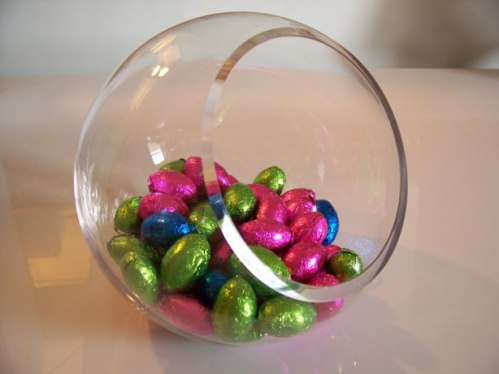
chocolate eggs

candy dish: theartofdoingstuff.com


“I think I need three chocolates,” she noted after assessing the contents of the candy bowl.

“How come?” I smiled. She knew she was allowed one candy, and the ever so slight emphasis on the word need was expertly done.

“Well …” she paused, little brain wheels hastily cobbling up a good-enough rationale. Her eyes brightened, “… because I even had pepper for lunch when it was before … and … more chocolate is going to make my bitter better.”


For The Daily Post


You Better!

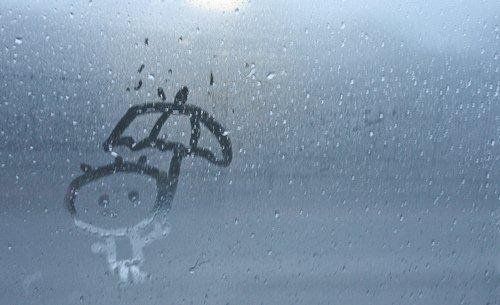
rainy day


He came up the stairs, looking like a cross between a drowned kitten and a frog: wet hair, clinging shirt, useless green umbrella and matching boots (with sloshy feet inside).

I smiled at him. He sighed.

“Yeah, I know,” he said, “I better …”

His father nodded.

Coded language.

I’ve heard it before.

“You better come right now!” “You better sit down quietly!” “You better not hit your brother!” “You better listen to the babysitter!” “You better not forget your homework again!” “You better not get this floor wet …”

You better? Better how?

More like “your life will be much worse, unless …”

I swallowed my own sigh. I don’t abide much by the “you better” style of communication. The dad was probably parroting the coded-directions of his own upbringing, spurred by habit, rigid expectation, his own fatigue.

“Looks like you two got caught in the downpour,” I smiled, took their umbrellas, and offered towels, a mat to put their footwear on, a plastic bag for wet things, a pair of dry socks for the boy. The minutia of a rainy day.

“He kept goofing around,” the dad grumbled. He pointed at the drenched boy in accusation, though he was only marginally less wet than his son (and had a bigger umbrella!). The father patted his arms dry, patted his son’s hair. He seemed embarrassed and glared at the errant rain drops on the floor as if they were proof of his son’s weathery misdemeanor.

“I ran because I didn’t want to get wet!” the boy retorted, eyes glistening.

“Sometimes there’s not much one can do to stay dry,” I soothed, and lifted the bag of extra child-size socks to emphasize my point. “It is raining hard and it is windy, too, so the umbrella probably can’t do much. I’d gotten soaked. Had to change.” I pointed at my clothing. “Not what I had on earlier.”

The boy threw a vindicated glance toward his dad.

“You better not give me any sass,” the parent reflexed.

The boy’s face darkened.

“You know what I think is better?” I interjected. “For all of us to come sit down and get dry and comfy …” I gestured toward the couch for the father to sit on, for the boy to take his seat by the table.

I wondered if the father was aware of just how alike his own expression was to the boy’s: a mix of combative, deferential, dejected and relieved.

The rest of the session went smoothly. By the end of it, the boy’s curls bounced back right along with his spirits. His dad’s mood improved, too, nourished in equal parts by the rain easing and the nap he’d managed to sneak in while his son and I worked.

They left calmly enough, but I’ll have to make time to speak with the parent. We spoke before on things that need discussing not in the child’s presence. I know the father means well. He’d told me he hadn’t had a close relationship with his parents. He had grown up with the threat (and frequent bite) of a switch, and he’d vowed to not repeat it. He does not raise a hand to the boy. This father wants better – the real better, not the threatened one – for his son. He’d told me he wishes for his son to be able to come to him with anything, interests or worries. Yet for now this parent’s very way of communicating stifles the possibility. He gets tripped by his own memories of what parental language ‘should be’ like. Maybe he knows no other way to exert control over a growing and often opinionated boy.

We’ll have a talk. The dad and I.

I know he wants better for the both of them.

“You better” is hardly is the better way.


For The Daily Post

“I Gray?”

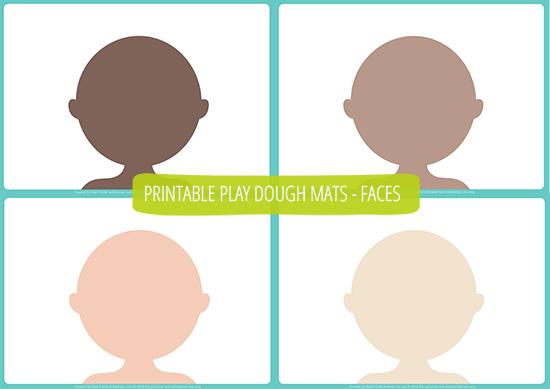
play-dough-people-faces

Photo: picklebums.com


His maman is from Haiti. His “so called papa” is “no one you’d want to remember” (as per his maman and grand-maman) because he has “no color in his eyes or heart.”

The boy has soft waves of honey brown hair. Cupid lips. Deep brown eyes. Light caramel skin. Freckles on his nose.

He’s recently discovered the magic of combining colors. He finds it entrancing. He is especially moved by the alchemy of what happens when you add white.

“You have black?” he asks, pointing to the Play-doe containers on my shelf.

“No,” I note, “I ran out. But I have brown.”

“Let me see.”

I hand him a container and he pulls the lid off and inspects the contents. “It in the wrong place,” he states, pointing to the yellow lid.

“I know. I just used a container I already had. It didn’t come that way. We made the brown from mixing different colors.”

“Who make it?”

“One of the other kids I work with made it. You want to try and make brown, too?”

He frowns, considers, shakes his head. “But I want some.”

“You want to use some of it? Sure. Go ahead.”

He pinches a bit of the dough and rolls in pensively between his fingers. “You have white?”

“I do!” I give him the white-topped container. He peeks in. After the yellow-topped one holding brown, one never knows …

He pulls out a chunk and begins kneading the white piece into the brown. A moment passes, then another. He’s quiet. He’s got something on his mind.

“Brown people are called black,” he notes.

“Hmm…” I nod. I wonder if he’d say more.

He glances at the yellow lid and I wonder if he’s wondering if it is one more of those “in the wrong place” designations. He sighs.

“I black but I also white,” he raises his eyes to me. “That mean I gray?”


For The Daily Post


Happy Girl

Happy Girl from pintrest
Photo: Pinterest

She giggles at the slightest silly

She grins at mirrors

Smiles through windows

Makes a dozen strangers’ day.

She beams at dogs, at books

A toy, a leaf, a pigeon

The world itself at play.

She chuckles at her own reflection

Adores someone’s freckles, wrinkles, shoes.

She rejoices in a pigtail, a polka-dot ribbon

Celebrates a doll, a braid, a tube of sparkling glue.

She chortles with abandon at a joke

“Again, again!”

She finds joy in the smallest moments

Her laughter paints bright happy into

Even the most mundane.


For The Daily Post

“I pleased her!”

siblings2


The cacophony coming from the children’s room was deafening.

She walked in to two small teary faces. One red with indignation, one blotchy with enraged demand. A pile of blocks depicted fresh ruins. A toy car spun a morose wheel toward an apathetic ceiling.

The wails rose to crescendo, a duet for justice.

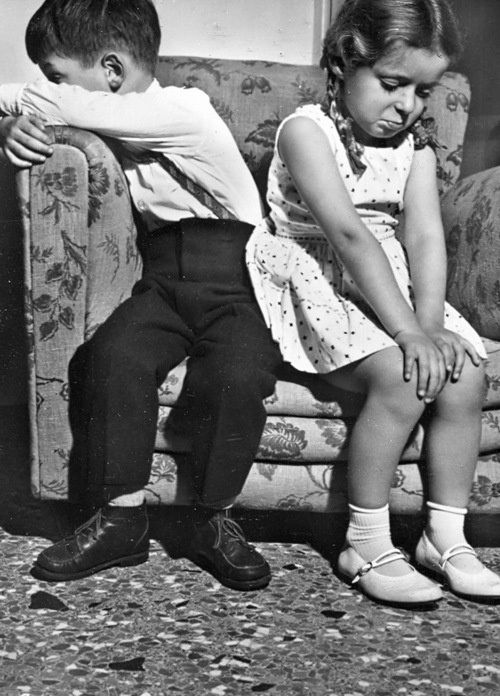
She knelt to wrap an arm around each sobbing set of shoulders. “Shhh….” she cooed, “What happened?”

“He …” the girl accused, an index finger poking emphasis at her brother. “He broke my castle.” Tears flowed.

“I didn’t!” he protested, matching tear to bawl. “She push me! It broked!”

“He put the car on my castle! Castles are for princesses!”

“But …” he cried, insisted, “but … I said please, Mommy! I pleased her first!”


For The Daily Post

“My Eyes Forgot!”

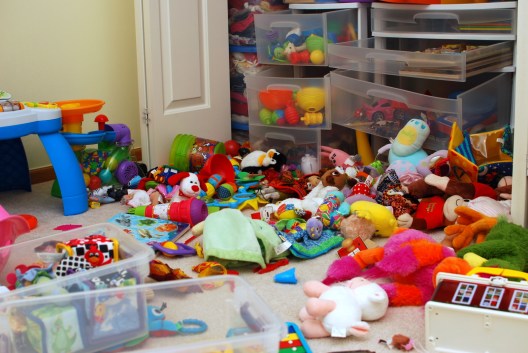
clean-up-messy-room-Switchmonkey


The room looked as if a tornado had gone through it: Toys of every size and color dotted the floor, a scatter of crayons peaked from under the bookcase, bits of paper snow-flaked the rug, a shirt’s sleeve and a lonely sock used an open drawer for recliner.

“Rachel!” the mother’s arms climbed to her waist in indignation. She’d cleaned this room that very morning.

The little girl lifted her face from the doll in her hands. Her visage was the epitome of innocence.

“Look at this room!” her mom exasperated.

The girl rotated her head obediently but without conviction.

“The mess!” the mom repeated when the child said nothing.

“Oh,” the child shrugged. One ponytail holder bobbed deeper than the other–it was hanging by a hair. “My eyes forgot to see it.”


For The Daily Post

“They did it!”

Goldfish


“It wasn’t me!”

The potbellied cookie-jar was stranded sideways on the kitchen floor amidst small mountains of spilled cookies in various states of broken. The jar’s lid wobbled under a chair a few feet away.

I looked at the small face, cherubic auburn curls surrounding dimpled cheeks. The forcefulness of the denial belied the crumbs around the lips, the sticky hands, the guilty blue-gray eyes.

“It wasn’t, eh?” I worked to keep my eyebrows in line.

The preschooler squirmed but didn’t fold. She shook her head emphatically, looked around, and tapped her lower lip with a (suspiciously chocolatey) finger.

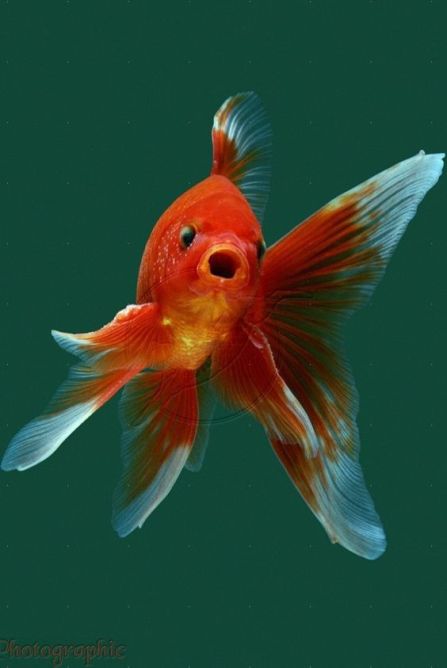
An idea dawned into her face and she pointed said finger at the aquarium where three goldfish lazed. “They did it!”

My eyebrows escaped. “The fish?!”

A wholehearted nod. She was warming to the thought. “Yeah! They don’t like fish food every day every day anymore … and … and … it the fish birthday …” she swung her finger from one idle swimmer to the next. “Um, this one! See? He didn’t even want fish food for his birthday!”


(Thank you, A.J.!)

For The Daily Post

Interconnected

phones Etsy

Photo: Etsy


“She has a symbiotic relationship with that phone,” the mother complained, eyebrows raised and head tipped in the direction of her daughter.

The pre-teen (on cue) rolled her eyes without lifting them from her opposing thumbs and the aforementioned item’s screen.

“See?!” the mom announced, vindicated.

“Whatever,” the girl sighed in the tone dedicated to oldsters who cannot possibly understand the nuances and necessities of modern life. She placed her phone face-down on the desk and turned her head to her mother. “Happy now?”

The mom nodded, half-mollified, half-mortified.

The lass-with-sass turned to me. “She keeps on me for that phone but she’s the one who’s always on the phone.”

“It’s work stuff,” the mother defended, reddening. Her own ‘lifeline’ already half-way out of her purse.

“Mine’s school stuff,” the girl countered. Her eyebrows rose in victory, a mirror image of her mother’s.

I smiled at their banter. It was a well-rehearsed dance, a sparring of connection more than true conflict.

“Funny thing …” I pulled out the work I had planned for our session that day: a passage and discussion about symbiosis, the close and often long-term interaction between two different species …


For The Daily Post

Minimal

black-dot


“What is that?” I asked about the dot the four-year-old had just purposed onto the page.

We’d been talking about living and non-living things, sorting pictures and ideas.

He looked up at me. “It a minimal.” His tone stated this was obvious.

“A what?”

He raised a small eyebrow, slowed his speech to meet my apparently plummeting intellect. “A Mini-Mal. A very teeny teeny animal.”


For The Daily Post

Biggest in his eyes!

Giraffe

“My daddy is more bigger,” he announced after examining a photo on my wall of my niece and her (rather tall) husband. His curls bounced in certitude and his tone spanned the space from pity to challenge.

“Is he?” I noted, winking at the boy’s mom.

I know the father. Objectively this little guy’s dad isn’t particularly tall, but this wasn’t about being objective … To his son, the father may as well be the giant of all giants.

“Yea,” the preschooler nodded emphatically. “My daddy is even more bigger than …” he scanned the room for inspiration, “… a whole Empire State Building house or even more bigger than …” he narrowed his eyes in concentration, opened them wide, “a giraffe!”


For The Daily Post