The Marianna


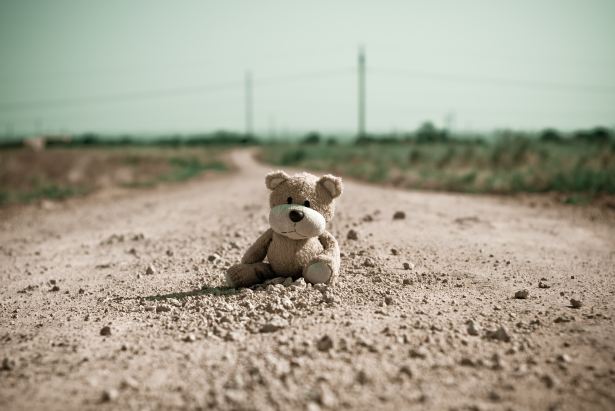
He did it. He’d pared it all down and tucked it all in and stocked her all up.

He was down to one set of waterproofs, two pairs of jeans, three tees, four pairs of socks, five undies, six favorite CDs, seven books.

He was going for eight apples, nine carrots, and ten bananas, but he ate two bananas walking back from the store. So there was that. In any event, there were many other odds and ends he didn’t count but that counted just as much: sleeping bags, towels and dishes and batteries, the manual pump. All the things that would make it home.

For it was going to be. Home. The first he’d ever owned.

This boat: The Marianna.

His little sister had always dreamed of living on one, and her yearning settled in him after she died.

He smiled at the sky. “Welcome aboard, Marianna. Let’s fly.”


For Crispina’s CCC #53


In The Shallows

Photo: Sue Vincent


There was beauty in the shallows.

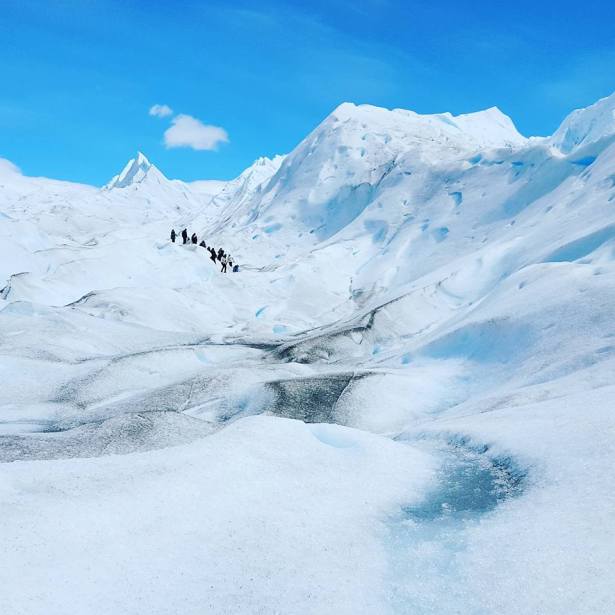
The mirror of the skies. The crystalline water in their unabashed reveal. The bottom — old and newer bits together — inviting her to step in and stir the quiet till it rises soft between her toes to momentarily obscure all things.

Opacity reassured her.

Like the enveloping from clouds when they leaned in close in misty acknowledgment, it held reminders:

That life was often muddy.

That clarity was temporary, hard won, and easily disrupted.

That fog spread quickly and lifted slowly, leaving damp disorientation in its wake.

That even shallows could reflect upended bowls of heaven and earth.


As if it heard, the water summoned her and she stepped into the silt. Wavelets nipped at her ankles, snapping cold against her skin.

Her toes disappeared, and she thought how apt it was to have her foundation hidden underneath a swirl of settling.

She breathed and closed her eyes and stilled and became one with the water, one with the sediment of time and the detritus of being.

Slowly, both the lake and her mind cleared.

She heard her spirit whistle on the wind.


For Sue Vincent’s WritePhoto


Secret Service

Photo prompt © Roger Bultot


“We used to go in through that side door,” Mama said.

I stared at the narrow wooden portal. “Because you are a girl?” I knew that Jewish traditions relegated women to a separate area in the synagogue, sometimes a designated entrance.

“No,” Mama’s voice shook and I reached for her hand. Her tears surprised me.

She seemed reluctant to cross the street. I couldn’t blame her. The building looked forbiddingly cold, sealed shut.

“No,” she repeated, a note of defiance in her eyes. “So no one knew services were held. They’d have come for us if we were found out.”


For Rochelle’s Friday Fictioneers


Gone Today

IMG_0304

Photo: Keith Channing


They came for the car today.

It’s just a car, she tried to tell herself. It would not make sense to keep it. Not with the fees and with the debt on it only increasing. Oh, she tried, but there was no way around the loss of it.

No way around loss. In general.

She couldn’t bear to go outside to see it off. She stayed indoors, her nose glued to the window, her sweaty palms pressing life-lines into the glass, her heart in shreds.

It’s been his car.

And he would not be coming home to drive it.


Note: Dedicated on this Veterans Day (US) and Remembrance Day (The Commonwealth), to all who fought and won and lost and left and returned, or left and did not return, or not in the same way they’d left. And to the many who still are away in uniform. You are seen. You are known. May all come home whole. And may humanity one day learn peace and no more war.

For Keith’s Kreative Kue #237


Land Of Water

joshua-gobin-1TnaUrrcm88-unsplash

Photo: Guyana, by Joshua Gobin on Unsplash


“Have we always been here?”

“‘Always’ is a long-winded word,” Papa’s melodic voice told me a story was coming. “Some people lived here before our ancestors. Some had come after we’d already been here. The land and the water were here before any humans had come. The word ‘always’ does not mean one thing.”

“Moses said we’re not from here. That we were brought here as slaves.”

“Are you a slave?”

“No, Papa.”

“Are you here?”

“Yes, Papa.”

“You and I are Guyana born. Have you worked this land, swam in the Essequibo, witnessed Kiaeteur Falls, walked the savanna, ate manioc?”

“I have.”

“So you have your answer, Son. We’re all children of land and water. All born of wombs filled with water, all depend on water, and will one day become rain and go over the falls. Your ancestors got here. You’re here. Where else would you be from?”


For What Pegman Saw: Guyana, South America


Unspoken

kelli-tungay-hicytcLfrf0-unsplash

Photo: Kelli Tungay on Unsplash


He couldn’t bring himself to tell her.

Instead he left breadcrumbs. Glowing pebbles on a midnight road.

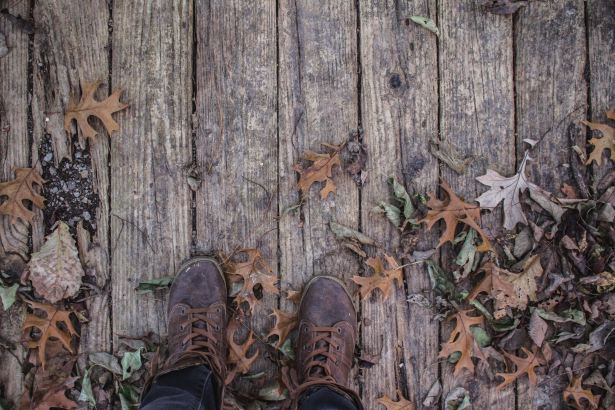
Receipts. ‘Forgotten’ notes. His boots in the garage, muddy though the yard was not.

Liminal clues in hope she ask him where he goes …

Refugees sheltering in the woods.

Perhaps she already knows.

The mud this morning on her shoes.


For Sammi’s Weekend Writing Challenge: Liminal in 57 words