How did THAT happen?

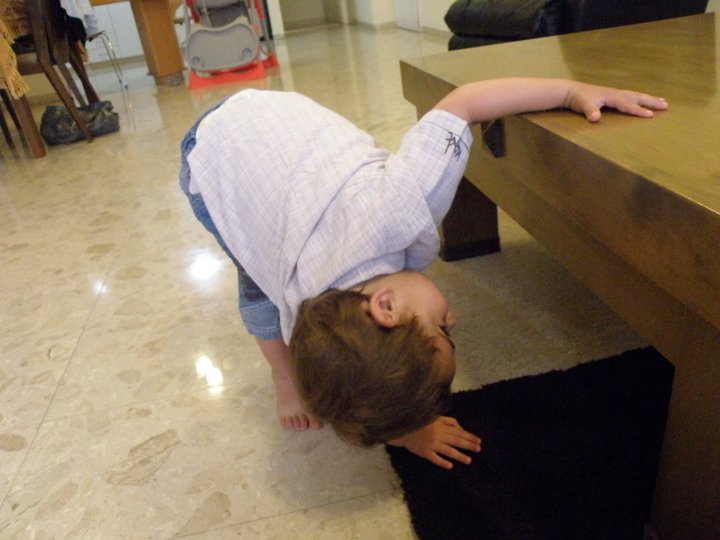
tom looking for ball

Kids are wizards of pointing out minutia of life that can seem quite arbitrary to us. They note things we missed completely. They seem to ‘insist’ on irrelevant details like the way the plate is organized, who got to open the refrigerator this time, or what touches what. Everything takes far LONGER to do with a little one around …

In good part it may well be because their life moves slower. Time is yet to be shackled onto watches and the ticking of a schedule. They pause mid-sleeve, pondering the way light filters through the cloth, unconcerned with how rushed the morning is. They stare in wonder at a pigeon when the light changed and it is time to cross the street. They have an urgent question or need just when you finally sat down to eat.

And they notice. Everything.

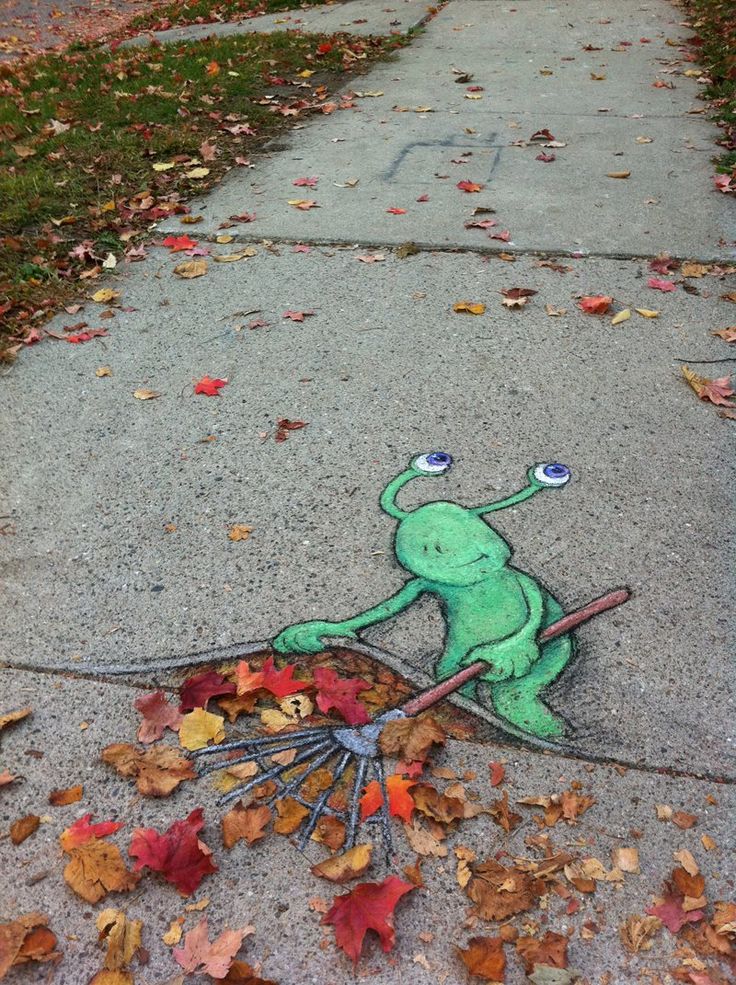
They collect each leaf and pebble. There is no such thing in their vocabulary as a “quick run to the store and back” … not when there’s a big exciting world out there. There is endlessness to explore: Cracks in the pavement. Bits of paper flown by winds. Funny people. Yippy dogs. Horns and beeps and squeaks and windows with wonders and when finally at the store, multitudes of candy at eye-level … How could it be that this was not what you came all the way for? …

They teach us patience, that’s for certain.
They also teach us that time is what we make of it. That stress can catch one breath, and relaxation ride right in upon another. That one can laugh before their tears have dried and emotions coexist and flow without a judgment.
They hold a mirror to the things we have forgotten or have misplaced our truth about or have given up on trying to critically examine.

They listen. Even when they do not seem to.

More than most anything else, they note the mismatch of expression, the ambiguity of tone and matter. The odd things our mouths can say and we do not hear.

In part it is because small children are so literal. They get confused when they listen to the WORDS we say and find it not to match the words’ MEANING. Their reaction (and ensuing cuteness) can have us realize hidden ambiguity. They reflect what we once saw and now are almost blind to: how the world works even though words so often mean things they do not really mean.

Want a few examples?

A father talked about his mother looking after the children when he and his wife had to both be away. “She has a heart of gold,” he gushed. His preschooler daughter piped up and added, “no daddy, you forgot. Nana’s TEETH are gold …”

A mother had forgotten something she needed to ask me. “I’ve had it at the back of my head all day,” she sighed, frustrated. Her three-year-old scrambled up onto the couch and took a look, exclaiming, “No mamma, it is nothing there!”

“It is all politics and money,” another parent moped when a kindergarten admission did not go the way she’d hoped, “there’s absolutely nothing new under the sun!” Her almost kindergartener son looked at her sideways. “That not true, Mommy,” he said, rather accusingly. “I have new Spiderman shoes! You forgetting my new Spiderman shoes?!!”

Then there are the cats and dogs that do not really rain; the invisible pins and needles one can be on (and no wonder one’s child refuses to sit where the parent sat a moment prior!!); the feet in mouths (“You can’t do that no more, Daddy. You’re too old. You can’t reach like baby Deena!”); the bleeding hearts (think on that …); the pants on fire…

Language is a treasure trove of meaning, and learning symbolic language is a big task. It calls for the ability to hold two lines of listening: one for the words, another for the context. Children get very good at that around age 5 or so, though they get thoroughly confused before they realize that “listen to what I say” is far from straight forward.

Kids practice logic. They spend a good bit of their time making connections, figuring out how things work and what brings on what. If you pour too quickly, you spill everything. If you push your brother, mom gets cross. If you don’t stop whining, you may lose a privilege. If you mix milk with chocolate syrup magic happens and you get chocolate milk!

They get right fast at figuring out what makes what, and a never-ending list of ‘why’s helps them figure things out. They realize there are desired outcomes and less favorable ones, some adults that are easier to get things from, that there is misfortune and consequence. They get uncannily creative at hopeful attribution of fault …

They map their world into cause and effect. Into how things happen. Who does what.

And sometimes they make connections that are not quite as we would have put them. … Like the little girl with the (newly) pregnant mom, who asked quite loudly and in public: “Daddy, how did God put a baby inside mommy and didn’t tell her about it until she peed on the stick?”
The B&Bees

The B&Bees

When I Grow Up

wings

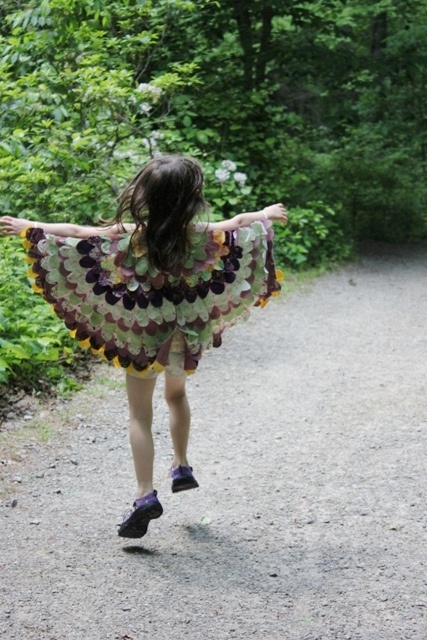
“When I grow up, I will be a bird.”

The little girl is adamant. She has made up her mind. It is final. This is what she’ll be. She’s even wearing training-wings.

It lasts about a day.

“I’ll be a batgirl fire-fightress (sic),” she announces.

“Not a bird?”

A look that shows just how impossibly slow adults can get is followed by: “No, I won’t be a bird anymore. I will be a fire-fightress.”

She is deeply disappointed with me that I did not notice the colors of her clothing all in red and yellow or the swirly bracelet around her wrist that’s meant to be the hose. She’s completely done with birds and fully involved in counting fire-hydrants, yellow helmets at the dinner-table, and nighttime fire-drills.

The next time she comes she is in a tutu. I feel confident for all of five seconds that I know what she is now going to be when she grows. I should have known better. She sets me straight.

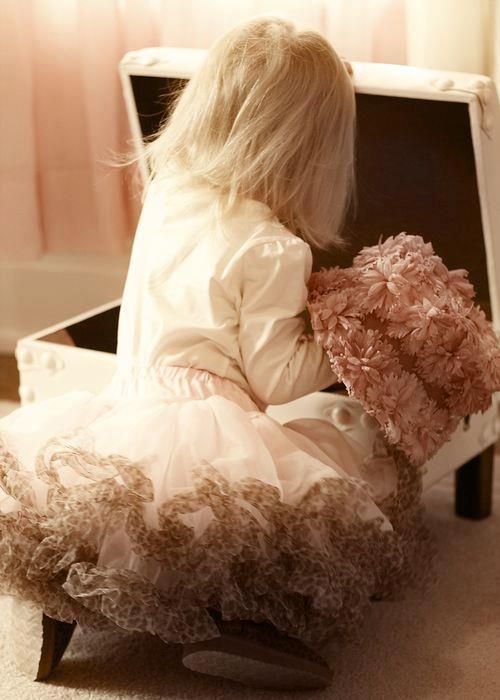
“Not a ballet dancer!” she intones dismissively, noting my apparent limitations in assessing the meaning of her chosen dress. “I’m going to be a fairy. Can’t you see this is a fairy skirt?”

She’s a skier the following week. A princess the one after. A “limpic” skateboarder (a la TV competitions she watched over the weekend). A zoo-keeper. A dentist (her mother crosses fingers for that one!).

For one moment she even considers being a speech-pathologist. Then she decides that she can do better and just use stickers and markers as the president, too. “I need them for signs so they will see me,” she lisps decidedly. “And for presents. Presidents need lots of presents because it is in their name.”

She considers a plumbing career (after their bathtub floods). Becomes a pianist when she spots a broken piano on the sidewalk and bangs a (thankfully) brief concert. She’s going to be an astronaut. A doctor, too (“to fix the aliens if they get sick and to give me medicine from tummy ache”).

There is a passing mention of a police officer or maybe a model, undecided who.

She’s a whirlwind of professions. One day she’s “for sure” one thing, and the next day for sure “not THAT!” but surely just the same another.

Her parents hold on tight and let her fly. Oh, yeah, there is a pilot era, too, complete with airplanes spinning in the park and an insistence on perching on the monkey-bars’ “top top one where pilots are.”

The jury’s out on what she’ll be when she grows up. What we know in almost certainty is that it could well be what she declared today, or yesterday, or in three different periods during the past week, or will introduce in full high drama sometime tomorrow or next month.

For now, she’s a rolodex of pure anticipation. Dress-up, here she comes!

dressup

Little Emily and Her Big Soul

Little Emily will melt your heart.

Not only precociously verbal, adorable, and poised, she also has empathy, kindness, unflinching generosity, and a huge soul unconstrained by her little body.

Good for her! Good for her parents for advocating caring, recognizing empathy in their child, and sensitively giving her a way to provide a kindness. Good for Uncle Matthew, too … for first giving a haircut to the doll … (love that old trunk booster, man!)

May kindness flow so that unnecessary pain no longer finds foothold and loving actions shine like this child’s heart of gold.

http://www.youtube.com/watch?v=iwQZggdZrOo

Outside The Box

“Color inside the lines.”

“Re-write these letters.”

“Sit on your circle.”

“This is not playtime.”

“Keep to the right.”

“Climb the ladder, not the slide.”

There is a good reason why we direct children. We want them to learn to follow rules and obey instructions. We want them to listen. We need them to pay heed. After all, laws and guidelines are part of an orderly society and are important for maturation, regulation, and delaying gratification. Rules help maintain safety. They help define the difference between free play and guided study, between teamwork and individual projects, between creative writing and a summary of a given book or essay.

Rules and guidelines are good. It is healthy for them to be challenged and okay to keep rules even if a child thinks they are stupid or unnecessary (as long as we truly know why). Boundaries clarify what is and isn’t acceptable, where and when and how. There’s nothing wrong with structure. Or with following directions. Or with consequences when one chooses to do otherwise.

Structure is a good thing. So is knowing what’s expected. At least as long as those do not become a means to an end. As long a they are not ways to exact conformity and control, paths to making our adult life easier, roadblocks to creative thought, plugs for personality.

When we extend guidelines into demanding unified and unjustified conformity, we risk snuffing out individuality. It is then that we may end up raising robots, not children. It is then that we gag magic and bind wonder, imagination, awe.

When we say things such as:

“Elephants aren’t purple, color it gray.”

“You can’t draw two suns in the sky. There is only one.”

“Stripes do not go with polka dots. You’ll look funny. Go change.”

“This doesn’t look like Mommy–she has long hair, not short.”

“Don’t mix the Lego with the blocks.”

“You can’t just make up rules–this game has an instruction sheet.”

“People don’t eat olives with cookies.”

“Stop making things up.”

There is nothing wrong with purple (or rainbow) elephants, with three suns, pattern mix-and-match, people who look like aliens and aliens who look like mice, Legos with blocks and carton boxes and a Barbi perched on for a knight, with new rules for old games, and with plenty of made-up imagining.

Order has a place, as does chaos and unpredictability. We ask our children to tolerate our rules and limitations … it is only reasonable that we train ourselves to tolerate (even encourage!) theirs, wild as they may seem to be.

Let your child out of the box. You’d be amazed what children can achieve. How much they can create, plan, build, conjure, put together. How far their brilliant, fresh thinking, free mind can go!

Think Outside the Box!

Think Outside the Box!

The ‘other’ Oscar

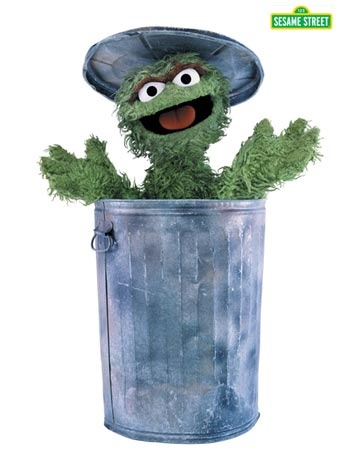
A three-year-old, upon hearing that tonight is the “Oscars” resisted going to sleep. No matter what. Full tantrum ensued. When his parents tried to tell him that it was “not for kids,” he burst out crying, insisting that “it WAS for kids” and that it was not fair that they were going to “watch Oscar.”

Took them a while to understand that their little guy had every right to be cross, considering that he was thinking about … well …

The ‘other’ Oscar…

oscar sesame

On the matter of chores …


chores

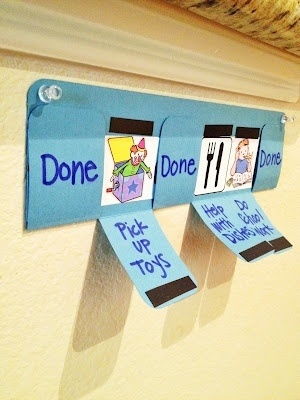
It’s a Speech & Language session, and as a way to make sentences involving action words and pronouns, we’re discussing chores. I ask Charlie, age five, what kind of chores he does at home; the things he does to help out.

“I no got chore!” Charlie states, proud.

“You don’t have any chores?” I ask, correcting grammar as I go.

“No!”

“Don’t you pick up your toys?” I prod, explaining. “That’s a chore.”

Shakes his head.

“Why not?” Many kids today don’t have as many chores as they can actually successfully master, but most are at least asked to pick up after themselves, to put their dirty laundry in the hamper, or their dishes in the sink. In Charlie’s case, I know for a fact that his mom and I had a discussion about adding routines and responsibilities, and that she told me she had initiated some chores with him, one being picking up his toys. So I’m a bit flummoxed about his response. I take a longer look at him–is that a little twinkle in his eye I see? I wait.

“Because I no do good,” he says after a pause. Yep, definitely a smirk. There’s a story there.

“What do you mean?” I ask, keeping my face neutral, though internally I’m already chuckling. Charlie’s a pip. Angel-faced and flaxen-haired he is indeed a good boy, but it would not do to underestimate his little mind’s cunning. Whatever this is, I know it’s going to be fun.

He grins. “Mommy say I clean up room I get stars,” he begins, looking at me intently to make sure I’m going to ‘go all adult’ on him or something and critic him; or worse–tattle to his mom.

“Okay … so your mommy said that you had to clean up your room, and that if you did so you would get stars,” I repeat what he said, both to give him a model of better language and to make sure that I understood him–his grammar leaves many holes in sentences and makes his speech less intelligible than should be at his age. It is why I’m seeing him in therapy. I keep my face smiling gently, not promising anything but hoping to still encourage him to spill the beans.

“I everyday put all stuff under bed,” he states victoriously.

“You put all the stuff under your bed instead of back where it belongs?” I prompt, grateful for years of perfecting the occasionally necessary poker-face.

Bigger grin now. This was no error. This was planned. “Shoes and shirt and toy and book and sister pajama and pacifiers she throwed (sic) on floor …” he pauses for emphasis, “and mommy no find thing no more and mommy say I no clean up good. No more have to.”

I can’t help but laugh. Charlie 1: Mamma 0.

Told you he’s an imp.

sweepbug

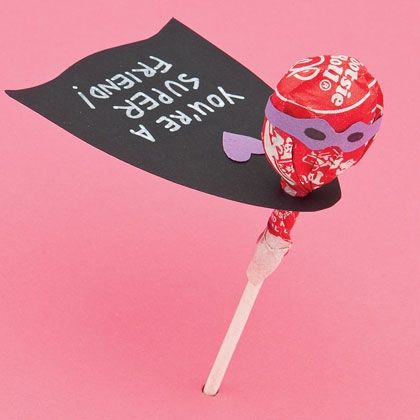
Superhero Story

superhero

The little boy loves chocolate. He adores candy, cookies, florescent sour sticks. His idea of a balanced meal is french fries and ketchup with some chicken fingers on the side. He cringes at anything that grows on trees and runs away from any shorter plant life, especially those grown on farms with salads in mind.

He thinks brownies are a food group and can name all the junk food in the aisle of a mega-mart. He’s a keen critic of the varieties of cheese doodles, pasta shapes (no sauce), donuts, and icing from a can.

He perfected pouts and frowns to span the whole range of disgust, denial, and gradients of ‘no-way-Jose’ with which to respond to any and all attempts at offering healthy nutrition. You can dress vegetables however you like, try to hide fruit in a smoothie or an ice pop, claim that dried fruit are “as sweet as candy”–he sees right through the sneakiest disguise. The only way a vitamin will pass his lips is in a gummy.

His world revolves around sweets, snacks, and superheros.

Of the latter, he owns every size, shape, and denomination; in clothes, sheets, watches, slap-on-bracelets, stickers, backpack, cup, cap, hat, and mittens. He is genially inclusive of all superheros, identifiable by characteristic puffy chests, disproportionate arms, odd skin color (tending toward green), and various kinds of billowing plastic capes and armament. There are of course the Spiderman, Batman, and Superman, Green Lantern man, and Darth Vader, but also many others that adults keep confusing and, more’s the pity, cannot even name … 

The boy lives, breathes, sleeps, plays, narrates, and animates his superheros. He is rarely found without one–they are constant companions–at home, in the car, in the tub. He takes one with him to the toilet, for some friendly company and conversation.

He keeps a place at the table for his superheros. He lugs a carry-on packed with them onto the plane. He delights in having them, ecstatically anticipates upcoming birthdays and holidays as opportunities for enlarging his beloved collection.

Some may think his ‘fixation’ willful or limiting. They may frown upon his adulation of plastic figurines with overstuffed musculature and unrealistic proportions and stereotype. Others see him walk along the street in full superhero regalia, grinning, prancing, proud as rain … and they cannot hold back a smile. He is absorbed, enchanted and enchanting. At almost-four, he bobs easily in and out of the bubble of delight in mystery and magic-thinking.

His parents tolerate sheets and towels becoming capes, draping furniture, and sweeping fragile items off of shelves and coffee tables. They have learned to live with constant sound effects as Spiderman climbs walls and Superman flies atop buildings and other superhero this-or-that saves all manner of fallen toy-victims. His parents accept that going anyplace takes longer when there’s a world to rescue with each move, a hero to swoop wide from every stair, a never ending battle between good and bad to wage and master.

Speaking of battles … there is the matter of his aversion to tooth brushing. Sugary and colored yellow with sticky cheese powder, he refuses to allow any mention of teeth cleaning. He clenches jaws against attempts at probing. He flees, superheros in each hand, at the sight of toothpaste or mouthwash.

Oh, he has some valid reason to–medical professionals have spliced his little mouth all too many times in efforts to reshape what a birth defect distorted. They came from care, but his experience left him wary and refusing further vulnerability. He controls access to his mouth with iron will that puts maximum security detention centers to shame.

His parents despair — they loathe to force him when so much was forced already and yet they know that to neglect his mouth is to invite issues in the future and invasive dental work besides. They admit helpless caving in to his refusal. Embarrassed, they are torn between their worry for his pain and the need to work beyond it.

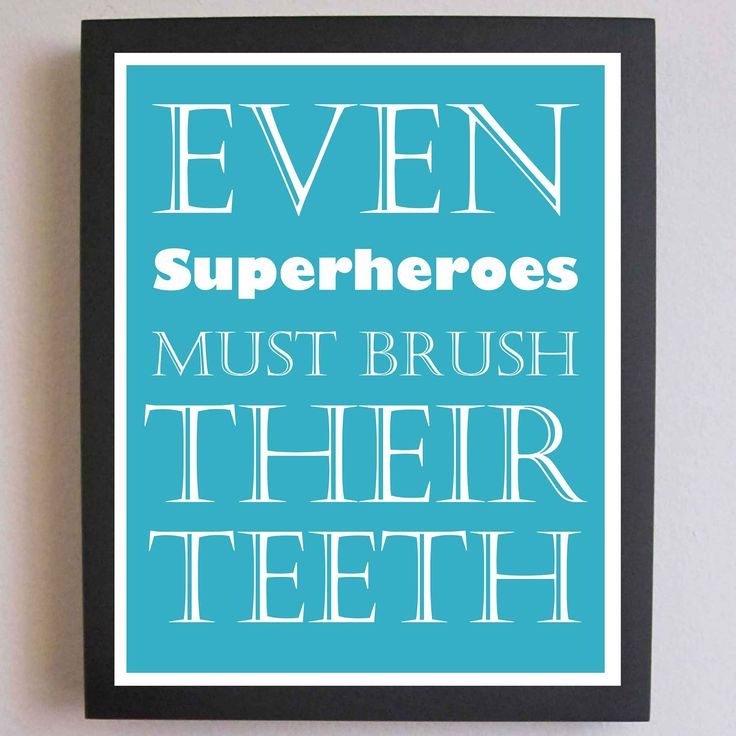
So we had a hubbub, he and I, and we’ve come to an agreement. An understanding. A plan of action. Superheros brush teeth, too, you see. They floss regularly with gusto. They gargle mightily. They epitomize mouth-care and a fighting spirit against germs a-hiding. The proof is seen in any superhero movie, cartoon, or poster; where one is certain to be dazzled by the light reflecting from their pearly white perfection ….

Now, superheros line the sink, the toothbrush is adorned with muscled plastic. Towel cape on shoulders, feet in puffy superhero slippers, he seeks to destroy all hidey-holey bugs that wish to burrow cavities.

Superheros brush teeth, too. Whew. Next, they will be eating vegetables…

superheros

Will she calm down when she grows up?

She always comes in style. 

Her own, that is: purple tutu over jeans and boots, flowered shirt under star-splattered sweater and deliberately mismatched socks, frilly short-sleeve shirts over chunky turtlenecks, her satiny pajamas with princesses on them, or a sheer dress under a sweatshirt along with leggings with holes in the knee.

Added to her ensembles are usually clues to the day she’d had: color splatter from finger painting at school, well placed smudges from lunch (shirts are so much more convenient than napkins!), crusted bits around her mouth that she refuses to wash off, unidentified grime, tears in filmy clothes that were not sewn with monkey-bars in mind.

It drives her mama nuts. Always impeccably put together herself, the mother is forever trying to wipe this or straighten that or offer alternate dressing solutions (that are summarily declined), and cannot contain her sighs and growing despair at her daughter’s flighty attitude toward cleanliness and matched-everything.

The girl? She could not care less. Or rather, she cares plenty, in her own way. Her language delay does not allow much expression of verbal subtlety (yet), but she certainly shows affinity to collating varied fabrics and textures and to weaving together combinations that feel artistically deliberate in an offhanded sort of way. She likes the way she looks. To me, this is more than good enough.

“Let her be,” I tell the mom one day when the little gal excuses herself to the bathroom and the mother follows her daughter’s mismatched wear with agonized eyes. I am admittedly somewhat amused at the perceived gulf between them, which in fact says a lot more about their similarities than differences. They are both acutely interested in how they look. It is just the “how” that may seem different … One immaculately coordinated harmoniously to appease the eye; the other explosively expressive in riotous combinations that cannot go unnoticed for their mishmash.

“It may not be how you’d choose to dress her,” I press, knowing that this little gal’s fashion-sense is pushing her mother well outside her comfort zone, “but there’s beauty in her freedom. She’s four, and she’s got a keen sense of her own being. I think it’s brilliant.”

The mother looks pained but nods in resignation. She understands, even if she does not quite love knowing it. After all, she does let her only daughter leave the house “all messy” and “in awful combinations,” and she generally suffers the seemingly incongruous pairing of the pretty clothes she buys for her not-so-cooperative princess. Ever hopeful, she fills the child’s closet with beautifully matching outfits that the girl turns into wild-combos in a blink of an eye: chunky socks with her patent leather or frilly tights under short jeans.

“I want her to be her own little person,” the mom whispers. “I just wish she was a bit less … how shall I say it … visible about it …”  She blushes then, fussing with the satin hem of her tailored dress with carefully manicured fingers. “Do you think she’ll calm down when she grows up?” she adds, hesitating, vulnerable.

I smile. “I don’t know,” I answer gently. “What would ‘calming down’ mean to you? Or for her? Who would she ‘calm down’ for?”

The water flushes in the bathroom and the little girl can be heard singing “fly me to the moon” at the top of her lungs as she washes her hands (splashing all around the sink, I am quite sure–she finds special pleasure in the way water droplets spatter and in how soap foam squirts between fingers). The mother looks up and we both grin. Such effervescent joy is contagious.

“She’s a free spirit,” she sighs. “I think I was a bit like her, at her age. Then I got too concerned with what others thought … and maybe lost the spark.”

As the little girl prances back to us, she swirls the edges of the tutu peeking under the shirttails of her button-down flannel over holey jeans. She has one brown sock, one purple with blue polka dots. Her tennis shoes have stickers and possibly some grape jelly on them. She’s radiating ease and unfettered delight.

“Maybe there’s nothing to calm down,” I offer. The girl’s a sight, for sure. A balm for sore eyes and achy hearts, too.

Mom takes a deep breath. Nods. She’s working on it. It is all one can truly ask …

beyou

Sky-High Practicality

airplane

Seven hours into a twelve-hour flight the other night, an adorable (and chatty) curly top three-year-old in a nearby row: “Mommy, I don’t want to stay on the airplane anymore. My legs want to run.”

Mommy (sounding similarly fed-up if not run-ready): “I know, Sweetie, but we can’t get off right now.”

Curly Top, miffed, tone slightly rising toward whine-a-thon: “Why?”

Mommy: “Because we’re very high up so we can’t go out now.”

Curly Top: “We’re in the sky, Mommy?”

Mommy, voice disheartened: “Yes … we’re up in the sky.”

Silence. Then Curly Top again, pensive with a touch of wonder filtering in: “Mommy, we flying?”

Mommy: “Aha … the airplane is way up high because we’re flying.”

Another silence, followed by bubbly cheerfulness in the toddler’s voice: “Oh, that okay Mommy! We can just fly down right now!”

🙂

airplane2