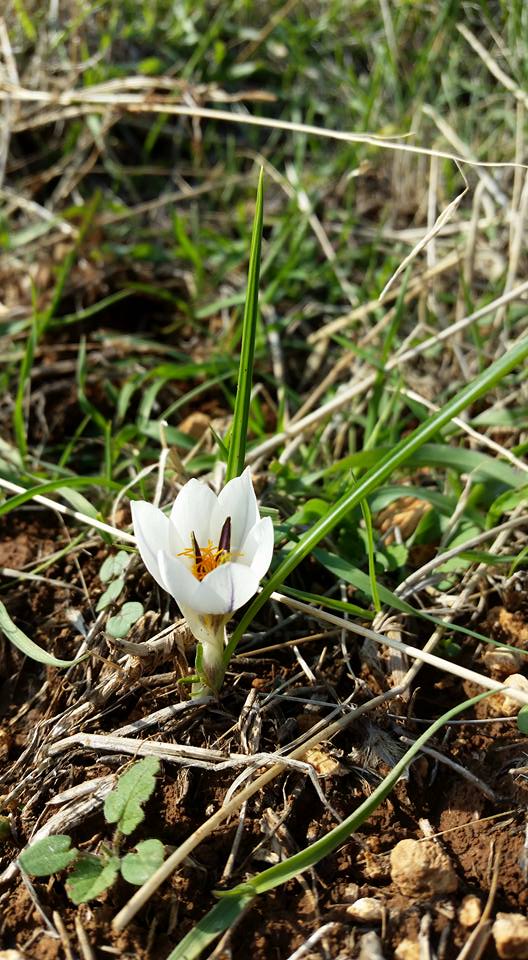
Photo: Atara Katz
Undo mud
Into light
Unfurl rain
Straight green up
Petals forth
Hope transforms.

Photo: Atara Katz
Undo mud
Into light
Unfurl rain
Straight green up
Petals forth
Hope transforms.

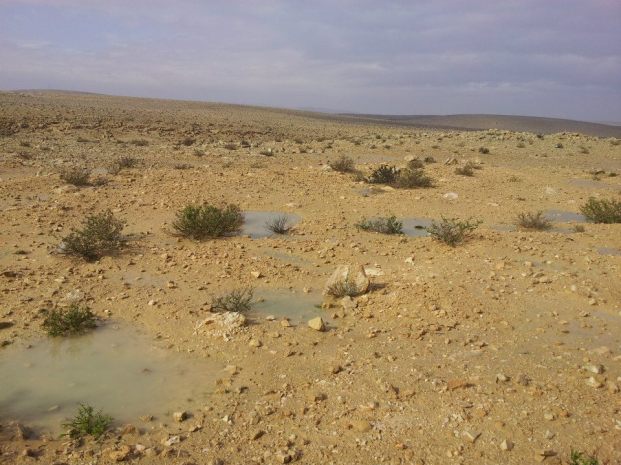
Photo: Ofir Asif
In passing we will know
The paths of time
The way to grow:
The to and fro
The high
The low
The good
The woe
The ebb
The flow.

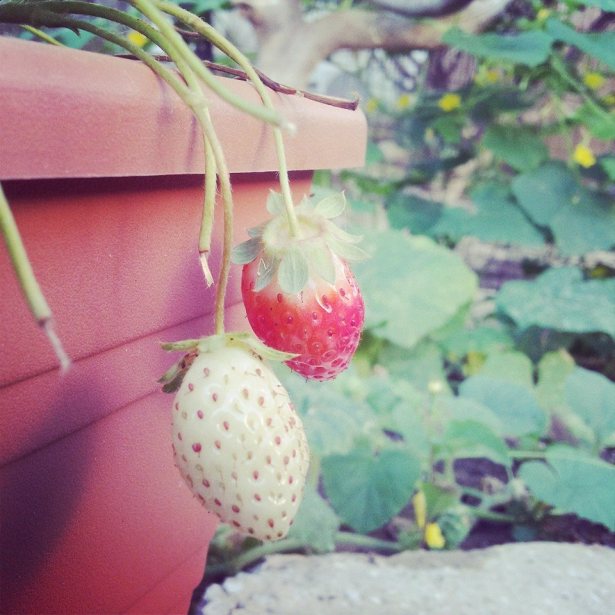
Photo: Dvora Freedman
Breathe the fragrance of summer
Smell the sun ripened fruit
Born of
Hard work
Long daylight
And the miraculous growth
From a green, tender shoot.
For The Daily Post

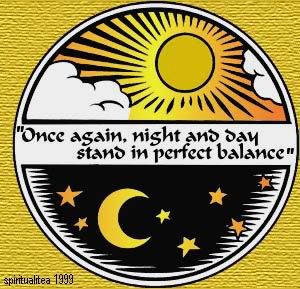
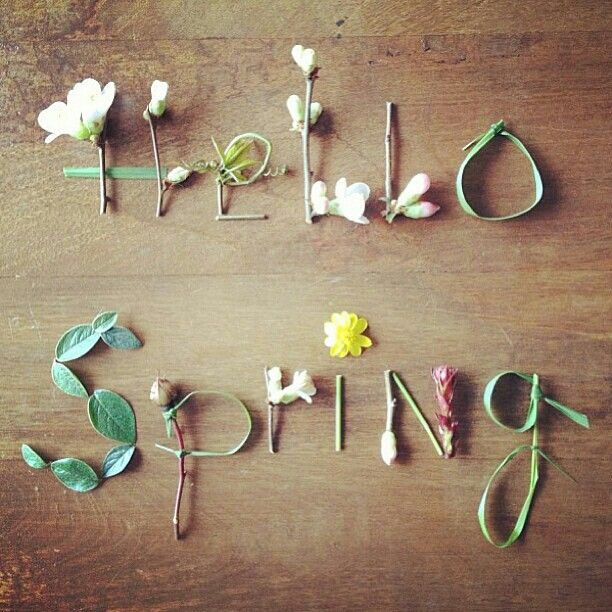
The vernal equinox greencolander
Balance … that point of perfect stillness …the place of pause between the inhalation and the exhalation … the being in (yep, it would flicker) peace …
We seek balance. We crave and hope and workshop and self-help and click on links for it … We want balance yet all too often forget it is only a passing blip on life’s experiential radar screen. Rather than suspended animation, balance is a state of never ending mini-bobbles, of constant readjusting, of rolling with the punches, of going with the flow.
How paradoxical that balance is unsteady. It calls on every sense to be alert for small corrections, on perceptions to be both relaxed and sharpened.
Yet it is not a paradox. Not really. Complete stillness isn’t balance–it is frozen. It immobilizes. Holds down, prevents change.
Life flows, and we’re at our best when we are most aware and without anxiousness. We are most balanced when we’re in the moment, in the wobble, readjusting; undeterred.
Nature is as always, a most persistent teacher. It demonstrates balance twice a year. Points of pause from which to slow or quicken; momentary balance to remind us of how all stillness shifts; how balance IS the shifting.
Nature pauses in perfect timing … For as we move from winter sluggishness to the rapid march of spring; balance can seem suddenly untenable: how does one possibly do all there is to do, attend to all that’s going on–with ourselves, our families, our job, our countries, our world ….? How does one catch up with the riotous and springy energies?
The very point of stillness into seasons’ change, reminds us that like everything, we are also called to flow … adjust, keep boundaries, recalibrate yet not stop; swim the current but not be carried over and bashed by white waters; harness new potential and use it for growth, rather than destruction. We are reminded to let go not into helplessness but to a gentle bobble-wobble.
Nature also reminds us that we need to breathe. To play. To laugh. To live in the moment. To watch children and babies–so much new life opens in rebirth–and learn from their unrelenting exuberance even as we also learn from the unwavering subtle protection of good mothers who allow young minds to be both curious and safe.
It is in the small beats of life–the pause between the whoosh-whoosh of your heart, the stillness in the pendulum before it resumes movement, the perfect balance of the light and darkness–that all potential lives.
May you spring in balance. May balance bring more spring into your step.

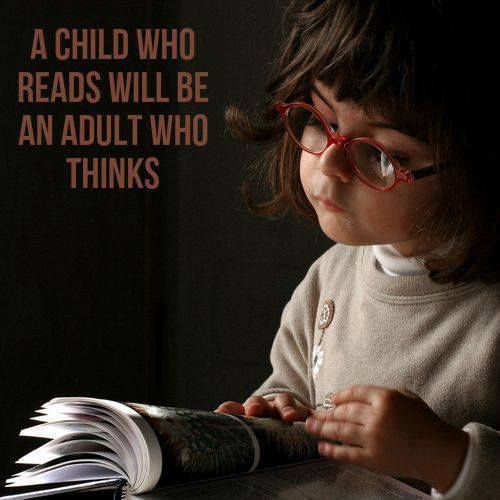
From Pintrest
Oh so true … that a child who reads will be an adult who thinks. Reading opens doors, windows, paths, and secret passages to all manner of worlds and imaginations, language and vocabulary, expression and understanding.
Reading matters.
A reading child is also preceded by a child who is being read to and is spoken to and with, and who experiences being part of conversations and experiences, narrative and the day to day stories of life lived and happenings that happen …
Because:
A child who is read to will be a child who listens, imagines, thinks, wonders, comprehends and symbolizes… A child more likely to read and enjoy reading …
A child who is talked to, who participates in conversation and discussion, is a child who knows to ask questions and answer queries, offer opinion and listen to that of others, be curious about others’ experience and tolerant of differences, ideas, and views… A child more likely to read and enjoy variety in what they read …
A child who is listened to–and is shown how to reciprocate and take one’s turn in listening–is a child who can relate and remember, reminisce and realize, teach and learn, listen, comprehend and think… A child more likely to read and find books a place for expanding understanding and relating …
So …
Did you open a book today? Did you tell a story? Make a story together? The story of going to the store, of cleaning up the room together, of salad making and laundry folding, of visiting the park and counting dogs with spots and kids in strollers, of the rainbow of colors in the produce aisle and the funny thing that silly dances do to your feet and heart and smile …
Go tell some stories. We’re never too old or too young!

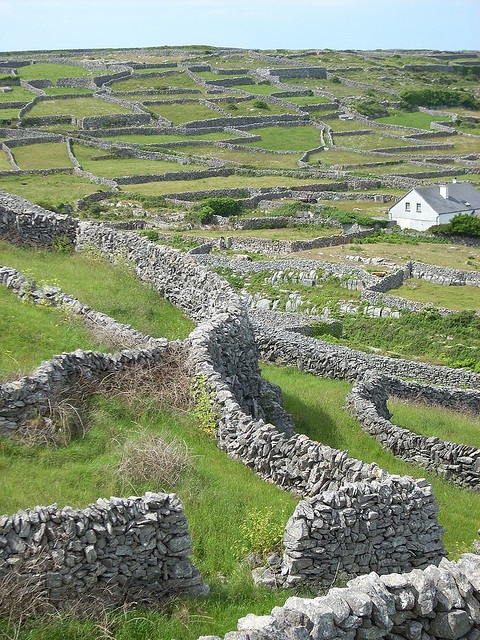
Photo by: anselmona
On the almost eve of a new year, may your path hold clear as you pass into the nascent potential of what is almost born to be. For it can be, in truth, all that there can be.
Not all newness smells of radical divergence. In every sense, all paths we take form in the footsteps of those we already walked. It is where we head, how we carry our present time and what we see as possible, that breathes new life into the future. Farmers toiled for centuries, building fences to clear fertile ground and to protect the livestock with the use of the very rocks that made obstacles for plows. Stones remained stones even as they have become all that and then some.
We, too, are what we always were … and then some. We are who we know to be and what we learned to do about it, how we join the paths of others, how we forge our own to clear ground for new growth (hopefully in compassionate persistence). We are how we build with what is there. How we tend to obstacles and plow potential. What we form within us and around us. How we become what we know.
May the path hold clear in sun and mist, in fog and rainbow. May it be.
§§§
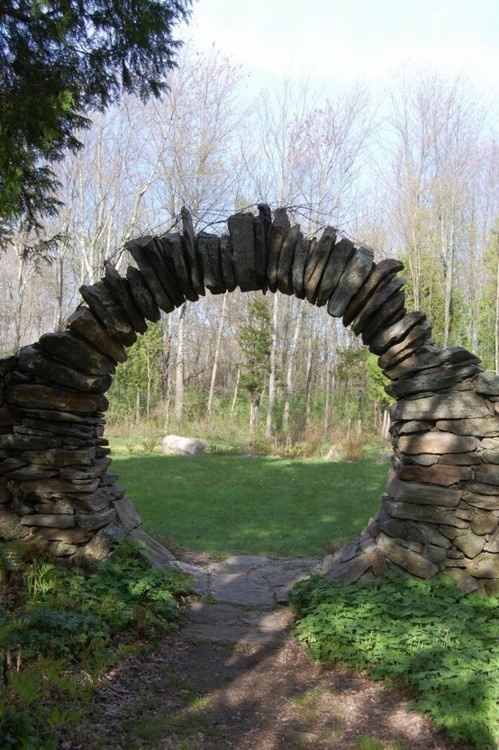
Gateways:
Every gate you pass holds pathways
Of times walked through
Stone by stone.
Every passage holding steady
Leaning onto
All that’s gone.
Every walkthrough
Every newness
Wraps around the times you know.
All the pebbles
Rocks
Big Boulders
That held back
Allowed
Remembered
All that needed
Fought
To grow.


Now that sunny days sneak up
Behind cold rainy mornings
And layers get peeled open outdoors;
There’s a quickening of breath, action, planning:
Verdant peaks poke out of brown branches,
Sturdy shoots plow up from empty hard ground,
Tenacious flowers unfurl spunky petals–
Nature showing the way
To not hold back, not delay
Your own hesitant budding of hopes …
Find your path, gently plow your spirit to waken,
Stir your earth
Stow your fears,
Sow even your most tentative knowledge–
It, too, has potential for growing.
Give your dreams a good shake
Unclog plans from despair or stagnation
Stretch your soul
Clear your heart from worry, anger, dissuasion.
Plant your words in this world
Air your prayers to welcome the sun
Seek expression.
Sprinkle showers of hope upon your budding self
You will not be mistaken–
There is a world reawakened
With much worthy growth to be taken.
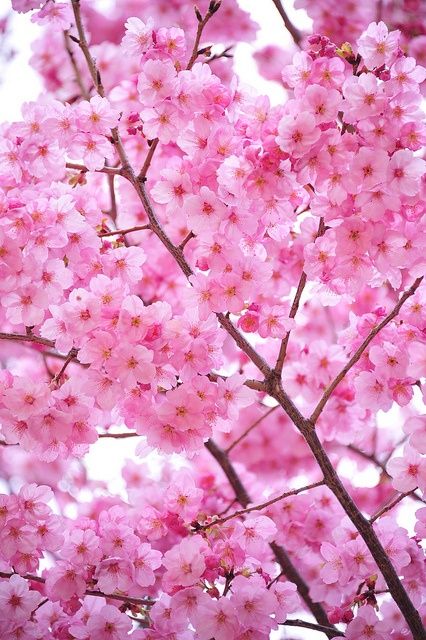


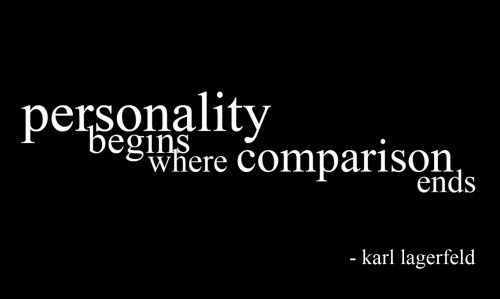
In this world of constant media tally, hierarchy, and perceived competition, it is all too easy to compare ourselves to others. It is especially easy to rank ourselves relative to those who do things better, achieve more, seem to know more, have more, do things with more ease than we managed so far. After all, there seems to be an endless stream of listings–the best in this, the most accomplished in that, the richest/biggest/strongest/thinnest/best-dressed/most-tweeted/most-friended/most-bought … It is as if we are expected to place ourselves along ordinal strings of relative abilities (and by extension, relative worthiness). As if we are to define ourselves by where others are. To chase the pace of others so we not lose our spot.
Compare yourself to others, and neutral becomes unimportant. You either win, or lose. You are either the best, or risk being the worst. You run: for more wealth, more friends, more recognition, better placement. You look behind your shoulder. You run some more.
Comparison itself is not a bad thing. It can serve as catalyst for progress–you may see someone achieve what you did not know was possible, and it can give you hope to try for dreams you did not dare believe you could make real before. However, it can also–and all too often do–serve to put yourself down, to discourage, to dissuade, to convince yourself that you just don’t have what it takes (though supposedly others do). Comparison can have you believe that you cannot do it and might as well give up on the dream before you even try it. Because others already did it better. Or got there first. Or would.
Comparison is energy–it just is. How we use it defines whether it binds or frees us. Whether it restores or drains. Having awareness of what is possible builds. It infuses motivation. It sustains. It fosters growth. However, relative worthiness stilts. It instills anxiety. It fosters disillusion. It chips at self-worth.
You have the power to choose which forms of comparison you use. Be wary of how you compare, to whom, and why you do so. If you choose to compare yourself to others to show how better you may be than some; know that alongside whatever you think you are measuring, you will also be planting a seed of doubt and failure by making your own worth dependent on your relative ranking among others. If, on the other side, you compare yourself to what you could before and where you’ve come from and what you now believe is possible; know that alongside this perspective you’d be planting seeds of strength and clear-seeing. You will be inviting possibility, expansion, gratitude, and generosity.
Comparing yourself with others–by definition–nurtures shoots of jealousy. They may be well hidden under social platitudes and self-deceit, but you must know that if your sense of who you are depends on where you place in relation to the success of others, there will be some spot of wishing for another’s failure so that your space may advance.
This is not necessary for growth. Like light, more progress by more souls only means brighter futures for each one and less darkened corners for all.
Set yourself free of rank and skin-deep importance. This does not mean you just lean back on half-baked laurels and dismiss the need for further growth. Rather, it calls for finding motivations that do not include climbing over others to get ahead. It calls for identifying the mountains that are uniquely yours to climb and the vistas that are meant for you to see. It releases possibilities that no one can take away from you, for they are within you, and not dependent on another’s stumbling or bowing down or burning out.
Use others’ success as guideposts, not podiums. Utilize their abilities as mentoring for what is possible. Identify what you would and would not accept as paths to growth. Find hope in journeys that belay what you used to believe your could do, then chart anew. There are no limits and there is no race but those you place against your own old habits or lazy bones.
You’ll be stoking the fire of your own dreams, rather than the engine that spins the hamster-wheels of others. Cut ties to relative succeeding, you will enable others to follow and snip free their own. Disavow competition for self-knowledge and self-prodding. Your horizons will become clear of motivations that were soaked and cloaked in jealousy and greed. You’ll walk where you are meant to walk and be who you are meant to be.
Moreover, you will forge a path for young ones, caught as they may already be in constant ranking as a measure of self-worth.
Become a beacon for individual ability. For less competition. More growth.


“ENOUGH!”
How many times have you heard this spoken loudly (word interchangeable, same intention) from a fed-up parent, caregiver or teacher to a child? How many times have you yourself said this or something similar in anger, to a child?
Frustration happens when dealing with little ones with strong opinionated minds and limited awareness for time, urgency, consequences or your priorities; it is inevitable. Children can be persistent, stubborn, wild, loud, aggravating, aggressive, irritating, exhausting. Caregivers get fed up, tired, annoyed, irritated, overwrought. They can have bad days with too much to do, too little sleep, too many children to care for, too many demands with too few hands to do them with, too many worries. Crises, emergencies, a clogged sink, a car that would not start, yet another ‘accident’ right after cleaning is finally done … Children, especially young ones, rarely know to take adult burdens and juggling into account. On the contrary, it is as though they are uncannily aware of any lag or energy slump … and if anything, are more likely to be needy, clingy, whiny, and doubly argumentative exactly when you have the least time or energy to spread around … (FYI, it is mostly not done to drive you nuts, but because children may need to reassure themselves even more when you are stressed, that you are there for them: a difficult cycle, when you have to be extra-patient when there is least patience to be found …).
Parents and caregivers are human. They make errors. They get upset. They may raise their voice, match their child one to one in volume, heel-digging, and demand. It happens, and as long as it does not happen too often, it can be repaired with comfort and apology, time to reconnect, some soothing, an opportunity to explain and understand.
In general, however, children listen better when the volume is set lower. Calm allows the brain to form connections that make meaning, while anxiety and overwhelm awaken circuits of survival while shutting higher learning down. Experienced teachers will tell you that they keep their voice low to keep the children listening: it may seem paradoxical, but in effect it works like a charm. Gentle speaking allows the intonation and cadence of your thoughts to pass through better. It allows the listener to let it in without alarm. It differentiates emotions and helps regulate a child’s understanding of nuance and intention.
A raised voice is a good tool for calling an alarm, to keep the child away from danger, to make clear what should not be done to prevent harm. For instruction, though, the raised voice spins way off the target, and misses by a long shot: the meaning of the words you wanted to convey gets lost in the tone and loudness of the sound.
We cannot force flowers to grow faster by pulling on the stalks, nor would it help if we stalked constantly, demanding them to hasten. We cannot make a plant drink more by spewing a stronger stream of water–it will only exposes roots and hit raw nerves. With children, too, we cannot force growth by raising our voice or hardening our words. We’d get a reaction, maybe, but not learning, and we’d shut down tendrils of potential besides.
“Raise your words, not your voice” Rumi said. Yes. Whenever possible, use good words, taken from and guided by the better part of yourself or the best part of yourself that you can find at that moment. Explain more, demand less: “it is rain that grows flowers, not thunder.”
Children, too, grow best in gentle sprinkles, rather than thunderstorms.

A place to improve my writing skills, and that's all.
We're not thriving, we're creatively photosynthesizing under duress.
History of the Bloomingdale area on Manhattan's Upper West Side
A creative miscellany of mythic fantasies
a weekly flash fiction prompt inspired by google maps
A community for writers to learn, grow, and connect.
To participate in the Ragtag Daily Prompt, create a Pingback to your post, or copy and paste the link to your post into the comments. And while you’re there, why not check out some of the other posts too!
I can't sleep...
Alternative haven for the Daily Post's mourners!
never judge a girl by her weight
original fiction and rhyme
You have reached a quiet bamboo grove, where you will find an eclectic mix of nature, music, writing, and other creative arts. Tao-Talk is curated by a philosophical daoist who has thrown the net away.
A photographer's view of the world - words and images to inspire your travels and your dreams
Life in progress
Straight up with a twist– Because life is too short to be subtle!
WordPress & Blogging tips, flash fiction, photography and lots more!
Light Words
 Na'ama Yehuda
You must be logged in to post a comment.