Because I understand me!

From Pintrest

From Pintrest

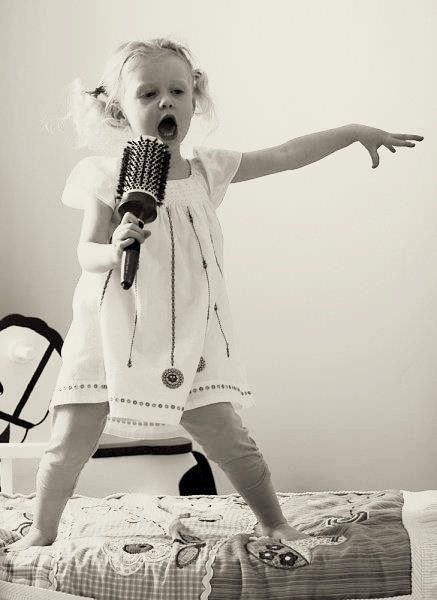
She heard noises coming from her daughter’s room. A heated conversation, animated chattering.

She listened at the door. Changed tone, one voice, empathetic discussion. She peeked–no toys involved, no dolls. Just her four year old sitting on the bed, talking earnestly.

“Who are you talking to?” she asked.

“Me.”

“How come you’re talking to yourself?”

A surprised look, a ‘duh’ voice: “But Mommy! Because I understand me!”

What do you do with a melted child?

I could hear them before they even entered the building … his screech, her frustrated murmuring, unclear words with clear intent to hush and stop the fussing.

It did not get better in the vestibule, or the stairway. Screaming, banging on the rails (there’s fantastic echo in the building–apparently it is spectacularly irresistible for maximizing the effect of tantrums).

The mother’s pleas inched up in volume, from “stop this” to “please behave” and “you are making too much noise” to “other people are going to get mad at you” and “if you don’t stop this there’d be no playdates.” The immediate effect was a proportionate rise in the child’s loudness.

I decided to go meet them half-way. It is not something I usually do, so my very appearance in the hallway was enough to generate sufficient surprise to elicit momentary silence. I capitalized. “Sounds like you are having a hard day,” I noted, directing my words to both red-faced figures, one with mortification, one with the exertion of maximizing vocal output on steep stairs.

“I’m melting,” he noted, quite matter of fact, I might add.

“Oh,” I responded.

The mom looked from him to me and back again. “Melting?”

“A meltdown, I suppose,” I smiled, turned to the boy. “It sure sounds like a major meltdown.”

He nodded emphatically, satisfied.

“Do you think you had enough of a meltdown for one time?” I offered my hand to him. “It sounds pretty exhausting.”

He considered, placed his little hand in mine. Turned to his mother with a rather smug expression. “I done melting now.”

“I’m glad,” she managed.

“What was this about?” I wondered aloud.

“He wanted to be the one to press the button for the bus stop …”

“Ah.”

“But someone else on the bus already pressed it … so he refused to get off …”

I looked at him with a raised eyebrow. He nodded, approving of the testimony. “It was my turn to push the button,” he accused.

“Hmm, maybe other people on the bus didn’t know that.”

He looked shocked at the very notion. How could anyone not know what he clearly had?

We climbed. He pondered.

“It only got worse from there,” his mother added, still debriefing. “I had to carry him off the bus, screaming. He threw himself on the ground …”

It explained the stage of his clothing … it had rained earlier …

“He got himself all wet …” she sighed, “I’m sorry for bringing him in such a mess.”

He turned to her, his face a mask of indignation. “Of course I wet, Mama! I was melting!”
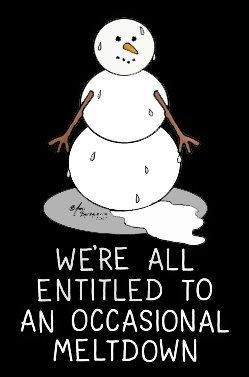
meltdown1

What is Kindness?

kindness

“What is kindness?” she asked.

“Is it being naïve?

Is it seeing no wrong in a person?

Is it looking away from the dark

Is it stepping around any shadows?”

“Not so,” said the Wise,

“Kindness is to know wrong exists and yet

also see goodness that lives right beside it.

Kindness is to call dark by name without being righteous,

to look into the voids and offer them light;

To acknowledge the shadow

and hold a hand to those in it,

compassion to those who forgot what light was.

Kindness is the courage to speak truth

and make good on promises.

It is the strength to keep one’s heart soft

when it might be easier to harden.

It is being gentle with all

without martyrdom

and without losing sight of one’s own imperfection.

It is knowing one’s own needs

and the soul’s True North.”

“It sounds like hard work,” she sighed, “this whole kindness business.”

“It is,” the Wise smiled, “as it is also

the work of all life, love, and heart;

of laughter and joy

of likeminded spirits

of light multiplied;

the gift of play

and children’s delight;

the work of Spirit,

the air of all life.

Be kind, and you would have fulfilled

all that is enough.”

Mother’s Day–A History of Seeking Peace

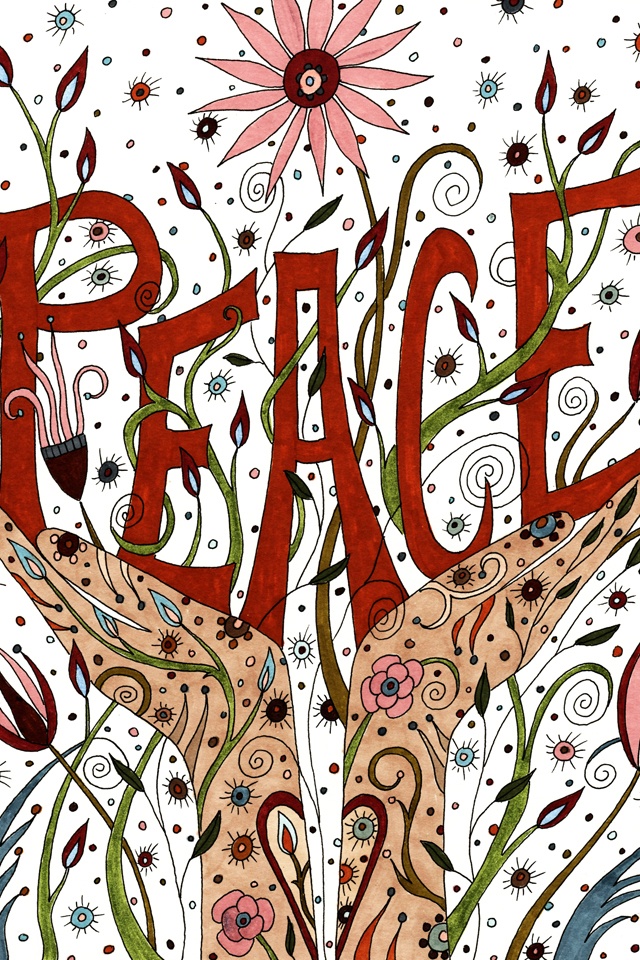
Peace is in our hands ~ artist Valerie Lorimer

Peace is in our hands ~ artist Valerie Lorimer

As we celebrate mothers of all forms and being, those carrying and bearing life, laboring to nourish and to nurture, guiding, teaching, holding, comforting, soothing, showing, listening, singing to and being with … Let us also remember where Mother’s Day originally came from and its purpose–a purpose that in its own way represents the yearning and dedication, hope and tenacity of mothering:

“let them then solemnly take counsel with each other as to the means whereby the great human family can live in peace…” (from the proclamation below)

Here is to peace. To no more carnage. To love. To hope. To no more lost children. To counsel of heart and reason. To no more war.

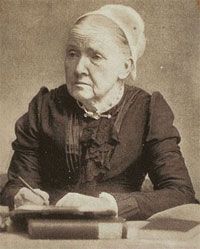
Mothers’ Day Proclamation / Julia Ward Howe (1870)

Arise, all women who have hearts, whether your baptism be that of water or of tears! Say firmly: “We will not have great questions decided by irrelevant agencies, our husbands shall not come to us, reeking with carnage, for caresses and applause.

“Our sons shall not be taken from us to unlearn all that we have been able to teach them of charity, mercy and patience. We women of one country will be too tender of those of another country to allow our sons to be trained to injure theirs.”

From the bosom of the devastated earth a voice goes up with our own. It says, “Disarm, disarm! The sword is not the balance of justice.” Blood does not wipe out dishonor nor violence indicate possession.

As men have often forsaken the plow and the anvil at the summons of war, let women now leave all that may be left of home for a great and earnest day of counsel. Let them meet first, as women, to bewail and commemorate the dead. Let them then solemnly take counsel with each other as to the means whereby the great human family can live in peace, each learning after his own time, the sacred impress, not of Caesar, but of God.

In the name of womanhood and of humanity, I earnestly ask that a general congress of women without limit of nationality may be appointed and held at some place deemed most convenient and at the earliest period consistent with its objects, to promote the alliance of the different nationalities, the amicable settlement of international questions, the great and general interests of peace.

(Julia Ward Howe, Abolitionist–she also wrote “Battle Hymn of the Republic”)

Julia Ward Howe

Julia Ward Howe

Happiness glide

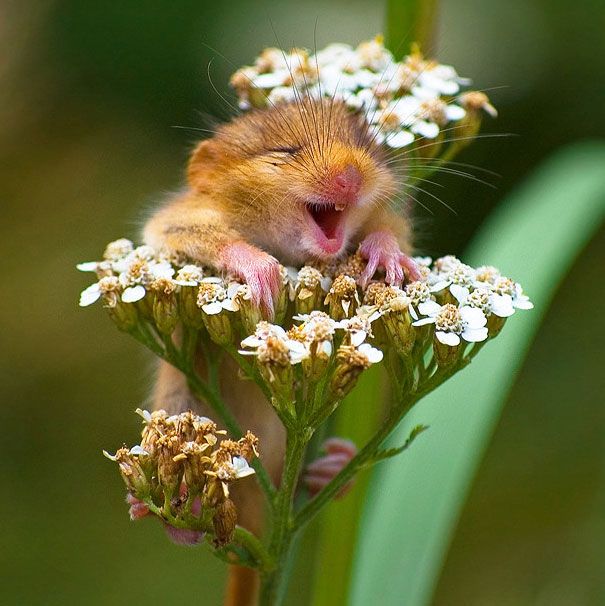
happy chipmunk

“I had the best weekend ever!” the preschooler’s eyes sparkled.

“Oh, wow, that’s so great!” I responded, grinning. It is contagious, you know, this kind of zest for life. And the enthusiasm of this little one was particularly catching. He literally beamed delight.

“We had the best ever dinner and the best ever pizza!” he bounced on his heels, the words not coming nearly fast enough. “And I saw the best movie ever on the Netflix. And my grandpa makes the best popcorn and it like magic in the microwave and I have the best pajamas ever!”

“You have new pajamas?!” My monkey brain had to assume.

He paused and regarded me with some confusion. “I already HAVE the best pajamas ever! It’s superman pajamas!”

Silly me.

He kicked off his shoes and glided on the wood floor with his socks, balancing with his arms. “Wheee! Best floor ever!”

“Did you have the best weekend ever, too?” he added, not quite waiting for a response before sighing contentedly. “You did, right? Because it was the best weekend ever!”

The details change a bit; there’s not always popcorn, sometimes its just TV and not Netflix, sometimes it is the park, or playing ball, or baking cookies, or his dad reading him  story. Doesn’t matter. The weekend is always–always–the best one ever.

And it makes for Happy Mondays; every one.

Books and stories: a recipe for laughter and growth

From Pintrest

From Pintrest

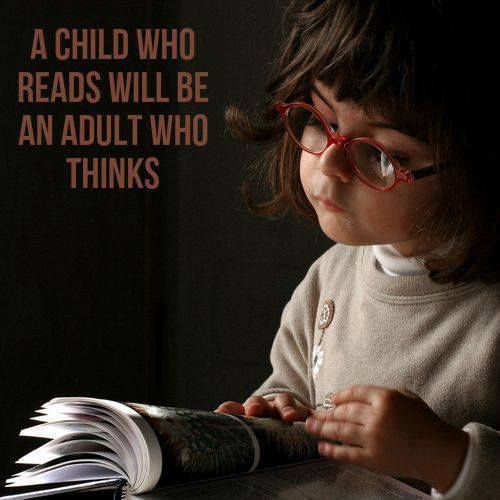
Oh so true … that a child who reads will be an adult who thinks. Reading opens doors, windows, paths, and secret passages to all manner of worlds and imaginations, language and vocabulary, expression and understanding.

Reading matters.

A reading child is also preceded by a child who is being read to and is spoken to and with, and who experiences being part of conversations and experiences, narrative and the day to day stories of life lived and happenings that happen …

Because:

A child who is read to will be a child who listens, imagines, thinks, wonders, comprehends and symbolizes… A child more likely to read and enjoy reading …

A child who is talked to, who participates in conversation and discussion, is a child who knows to ask questions and answer queries, offer opinion and listen to that of others, be curious about others’ experience and tolerant of differences, ideas, and views… A child more likely to read and enjoy variety in what they read …

A child who is listened to–and is shown how to reciprocate and take one’s turn in listening–is a child who can relate and remember, reminisce and realize, teach and learn, listen, comprehend and think… A child more likely to read and find books a place for expanding understanding and relating …

So …

Did you open a book today? Did you tell a story? Make a story together? The story of going to the store, of cleaning up the room together, of salad making and laundry folding, of visiting the park and counting dogs with spots and kids in strollers, of the rainbow of colors in the produce aisle and the funny thing that silly dances do to your feet and heart and smile …

Go tell some stories. We’re never too old or too young!

Winter Brr…

If the winter weather’s getting you shivery around the edges

and strikes a bit of waddle in your walk,

think cute …

penguin chick

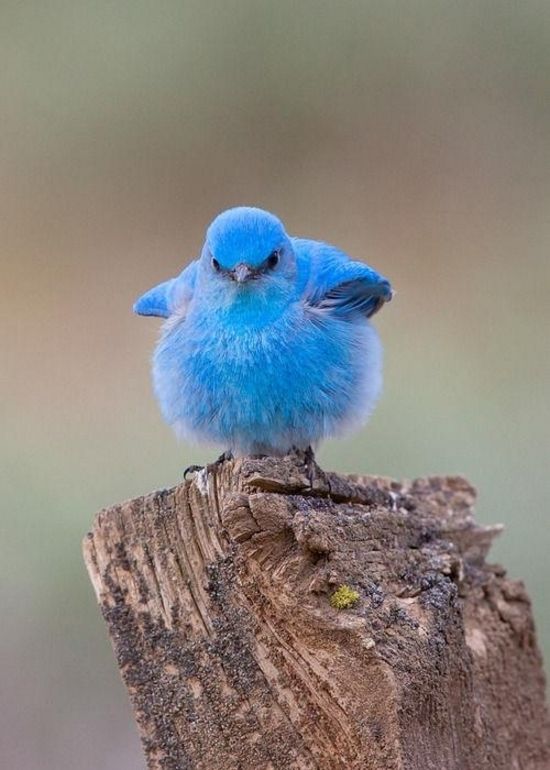
If the chill gives you the blues,

puff it out

with color and

with attitude …

bluebird

If the cold brings out the grump,

Forget the chill,

go at it

with a friend …

red pandas in snow

The chill … will end …


Truth Be Told–From the Mouths of Babes

“What does it mean, to tell the truth?”

A child asked me that. As usual, they are my greatest teachers. “What do you think?” I returned the question, wondering at the child’s working hypothesis (and chickening out just a little bit–let the munchkin do the hard work …).

I got the look I deserved, and: “To not be a liar.”

“Hmm,” I non-committed. “What does it mean to lie?”

“To say you didn’t do it but you did?” he tried. “And to be mean.”

I raised an eyebrow. This kid was good at reading body language.

“Yeah, because someone else get in trouble.”

“Oh, I can see how that would not be very nice, to get someone else in trouble. Anything else lying means?”

A moment of scrunched forehead. “Is it still lying even if you pretend you didn’t do it but you don’t say?”

“What do you think?”

A sage nod. A sigh. “Yeah, it still mean. Someone still get in trouble, right? Because the teacher think its them.”

“So…” I prompted (he was doing so well on his own, I felt like my words would be interfering).

“So … telling the truth is being not mean?” he ventured. His little face was quite serious, thinking this through.

“Hmm.”

“But truth is hard,” he sighed, a six-year-old summing up centuries of philosophy. “It can get you in trouble. … you know, if you did bad things.”

He paused. “But … then you can say sorry, maybe. Maybe you won’t be in trouble. … if you’re lucky.”

“Yeah, being honest can help.”

Big brown eyes hung onto mine. “What do you think is worser, being mean or being in trouble?”

Tough one. I’m returning it to him. “What do you think?”

“Being mean.” He did not hesitate. “Being mean is worser.”

“How come?” I pushed. Curious. Enchanted by this child.

“Oh … because … being mean makes me more in trouble,” he stated. Pointed to his midriff. “With my heart.”

Old soul, big spirit, that.

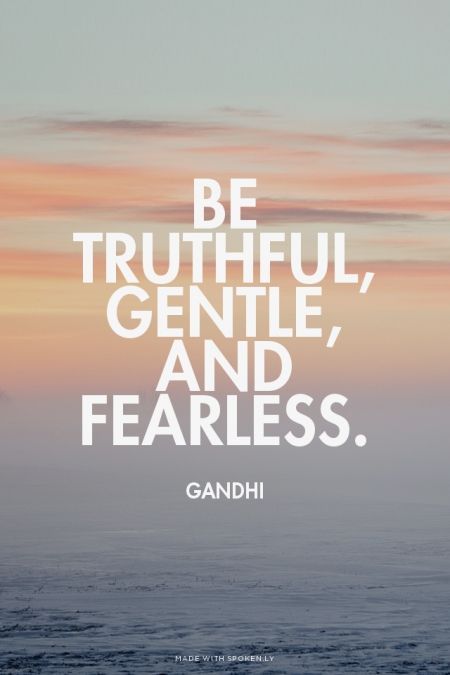
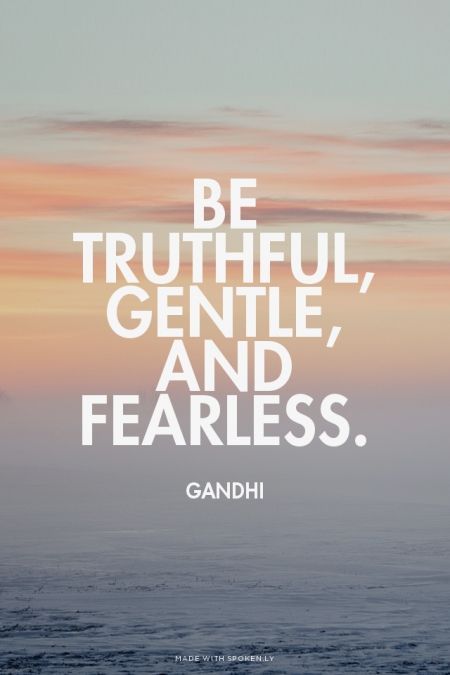
gandhi

Gateways

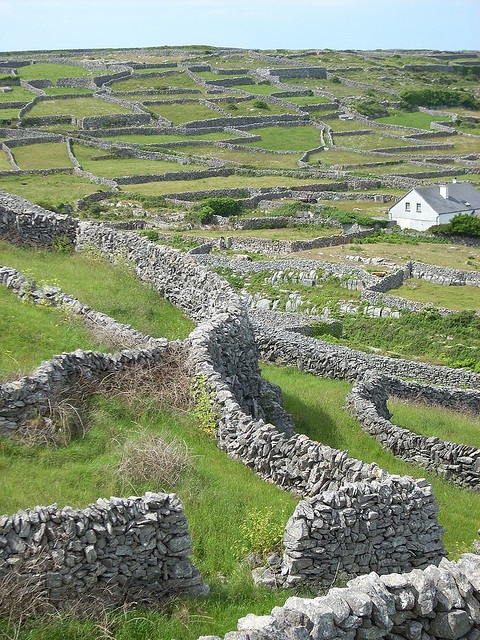
inisheer

Photo by: anselmona

On the almost eve of a new year, may your path hold clear as you pass into the nascent potential of what is almost born to be. For it can be, in truth, all that there can be.

Not all newness smells of radical divergence. In every sense, all paths we take form in the footsteps of those we already walked. It is where we head, how we carry our present time and what we see as possible, that breathes new life into the future. Farmers toiled for centuries, building fences to clear fertile ground and to protect the livestock with the use of the very rocks that made obstacles for plows. Stones remained stones even as they have become all that and then some.

We, too, are what we always were … and then some. We are who we know to be and what we learned to do about it, how we join the paths of others, how we forge our own to clear ground for new growth (hopefully in compassionate persistence). We are how we build with what is there. How we tend to obstacles and plow potential. What we form within us and around us. How we become what we know.

May the path hold clear in sun and mist, in fog and rainbow. May it be.

§§§

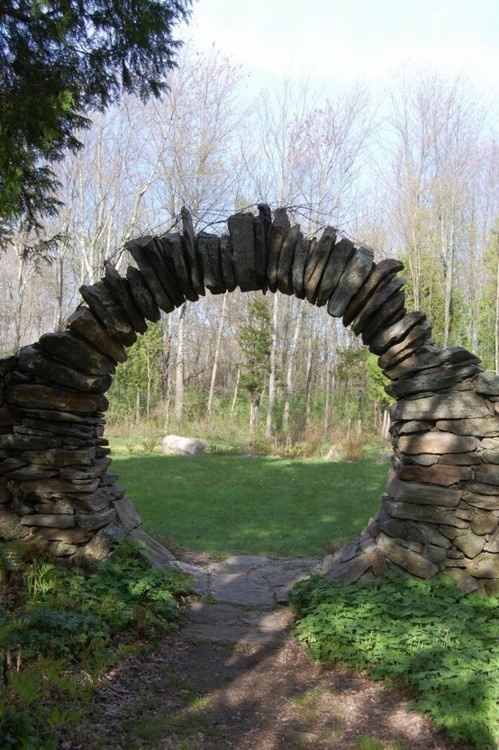
Gateways:

Every gate you pass holds pathways

Of times walked through

Stone by stone.

Every passage holding steady

Leaning onto

All that’s gone.

Every walkthrough

Every newness

Wraps around the times you know.

All the pebbles

Rocks

Big Boulders

That held back

Allowed

Remembered

All that needed

Fought

To grow.

garden gate