Brassy Doesn’t Mean Strong


touchn2btouched.tumblr.com

touchn2btouched.tumblr.com


Strength doesn’t lie in the pushy. Cocky does not powerful say. The shameless and showy lead no one ashore, just astray.

True power is held in alliance. In humility, empathy, care. Strength is achieved through the weaving of strands, not their fraying. Accordance is what grows a real, lasting greatness. Obstinacy makes success decay.

When the few rue the day, may the sensible many hold light, lead the way.


For The Daily Post

Because I understand me!

From Pintrest

From Pintrest

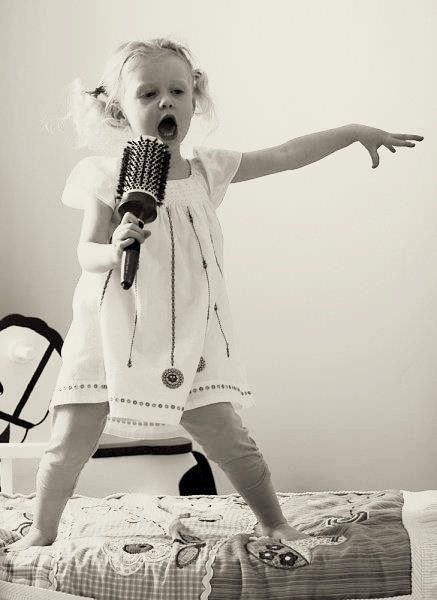
She heard noises coming from her daughter’s room. A heated conversation, animated chattering.

She listened at the door. Changed tone, one voice, empathetic discussion. She peeked–no toys involved, no dolls. Just her four year old sitting on the bed, talking earnestly.

“Who are you talking to?” she asked.

“Me.”

“How come you’re talking to yourself?”

A surprised look, a ‘duh’ voice: “But Mommy! Because I understand me!”

Truth Be Told–From the Mouths of Babes

“What does it mean, to tell the truth?”

A child asked me that. As usual, they are my greatest teachers. “What do you think?” I returned the question, wondering at the child’s working hypothesis (and chickening out just a little bit–let the munchkin do the hard work …).

I got the look I deserved, and: “To not be a liar.”

“Hmm,” I non-committed. “What does it mean to lie?”

“To say you didn’t do it but you did?” he tried. “And to be mean.”

I raised an eyebrow. This kid was good at reading body language.

“Yeah, because someone else get in trouble.”

“Oh, I can see how that would not be very nice, to get someone else in trouble. Anything else lying means?”

A moment of scrunched forehead. “Is it still lying even if you pretend you didn’t do it but you don’t say?”

“What do you think?”

A sage nod. A sigh. “Yeah, it still mean. Someone still get in trouble, right? Because the teacher think its them.”

“So…” I prompted (he was doing so well on his own, I felt like my words would be interfering).

“So … telling the truth is being not mean?” he ventured. His little face was quite serious, thinking this through.

“Hmm.”

“But truth is hard,” he sighed, a six-year-old summing up centuries of philosophy. “It can get you in trouble. … you know, if you did bad things.”

He paused. “But … then you can say sorry, maybe. Maybe you won’t be in trouble. … if you’re lucky.”

“Yeah, being honest can help.”

Big brown eyes hung onto mine. “What do you think is worser, being mean or being in trouble?”

Tough one. I’m returning it to him. “What do you think?”

“Being mean.” He did not hesitate. “Being mean is worser.”

“How come?” I pushed. Curious. Enchanted by this child.

“Oh … because … being mean makes me more in trouble,” he stated. Pointed to his midriff. “With my heart.”

Old soul, big spirit, that.

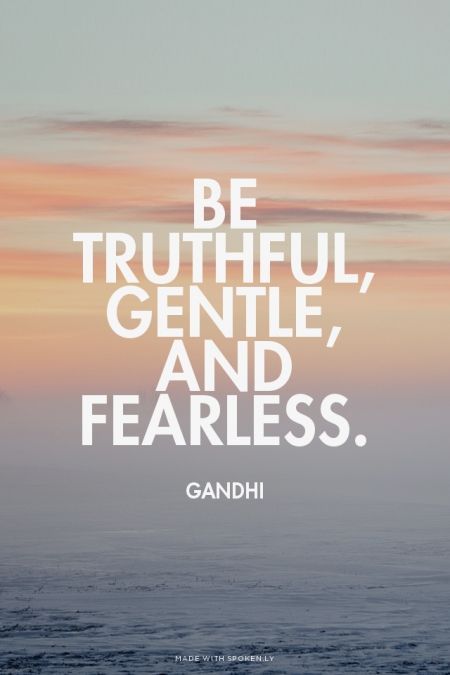
gandhi

Mean Math …


math

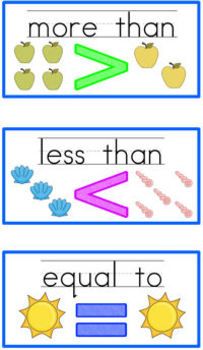
“If I have four and you give me more than I have more.”

This axiomatic truth came from the mouth of a bright preschooler. His speech is difficult to understand, but his ideas are crystal.

He asked me, the other day, about math. More like, told me. Checked to see I understand …

Math, but also some other things.

“If I get angry and then my mommy gets angry than we have a lot more angry.”

Yes. That’s true.

“I don’t like it when we have more angry.”

I totally understood that, and told him that I didn’t like ‘having more angry’ either.

“It is lots more better when we have giggles. I love giggles.”

So do I.

He was quiet a moment, then asked me about the news he’d heard. Children often pick up more than you give them credit for, and understand more than you would like to think they have internalized.

“A lot of people are angry and crying on TV,” he said. He was referring to the news of three teens who were kidnapped and murdered by Hamas terrorists in Israel. The teenagers’ bodies were found that day, and his parents were aghast and upset with the realities in the Palestinian territories, terror, hate, and rage. They discussed the news among themselves, along with their reactions and thoughts. He saw and heard reactions of others, perceived the agony of desperate angst, the fumes of hate. I’ve seen it, too. It is difficult, difficult stuff.

“Yes,” I responded. “They are.”

“Are more people going to be mean?” he worried. “I don’t like it when more people want to be mean.”

Oh, how I agree, dear boy, neither do I.

He wasn’t quite done. How could he be? These are big issues, even for grownups, let alone little ones. He pressed on: “If more people are going to be mean then it is going to be even more mean and more mean.”

“I understand.”

I think I sighed. He looked at me a bit quizzically, adorable in his earnestness. I smiled at him and asked, “do you have suggestions about what people can do?”

“I don’t know,” he said after a thought. “Maybe a ‘safe tantrum’?” (in his house, this is the term used for when someone–usually him…–gets very angry. They can’t hurt themselves o others but they can punch a boxing bag and shout a little and jump and jump …).

I nodded. Safe tantrums would be a good, in fact a very good alternative.

“But,” he interjected, “even if they still feel mean I think maybe they need to learn to use their words.”


From the mouth of babes, Little Teacher. Simplified reality yet no less wise. In all war, terror, conflict, violence–may all find room for less hatred, more reason, some space, more safety, less meanness … more peace … in their hearts.
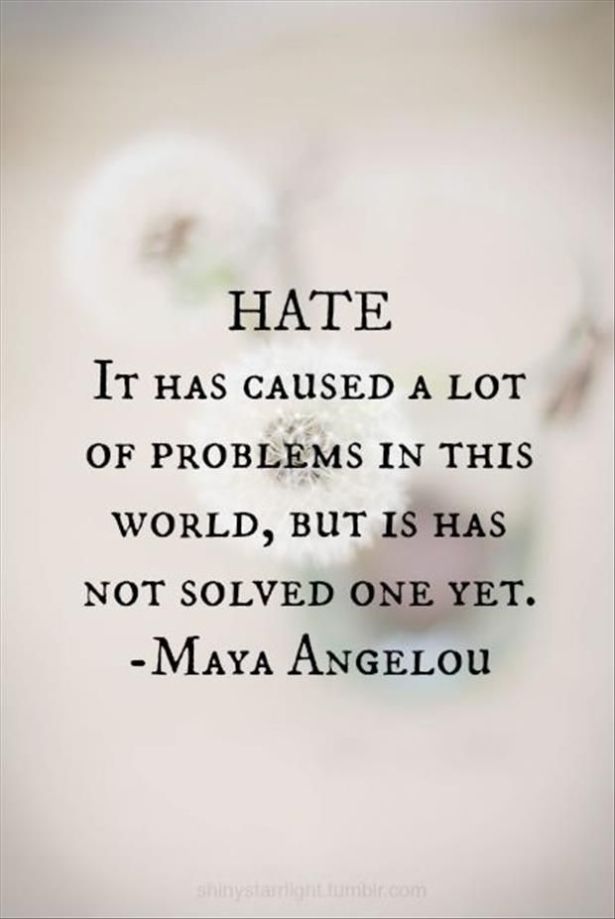
 

the problem with hate


Life Lived

life lived2

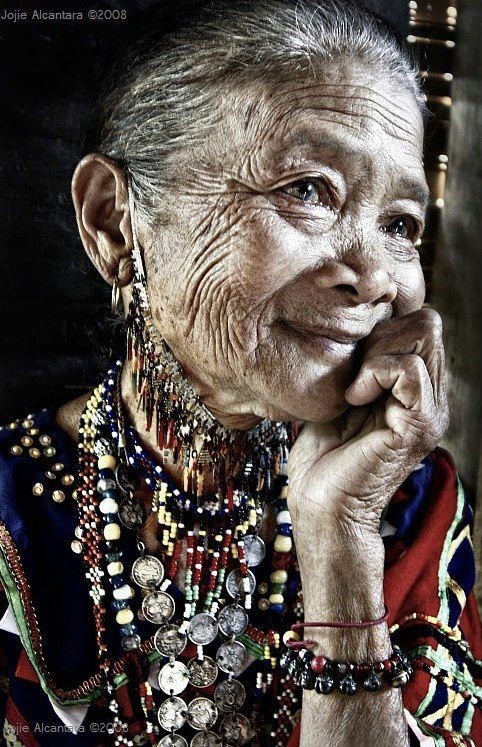
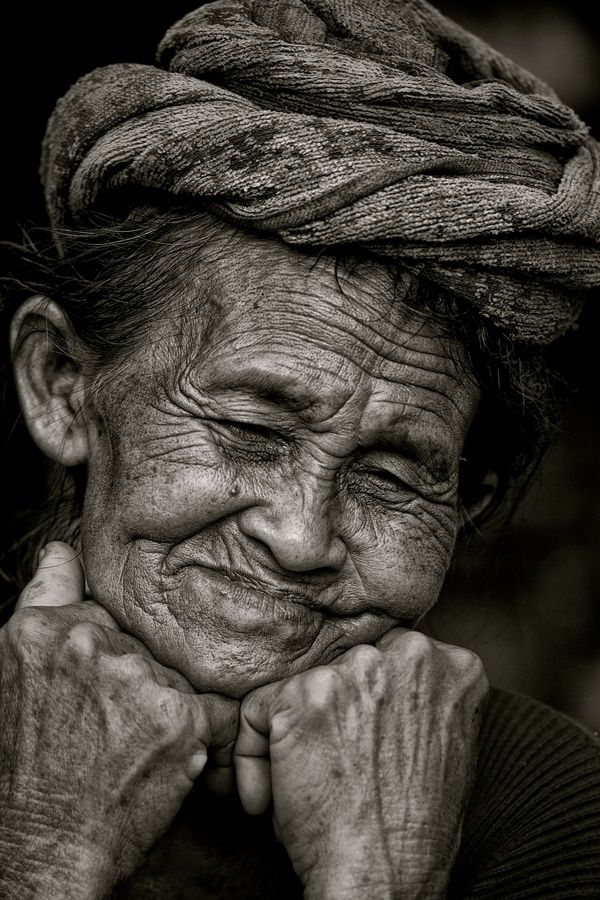
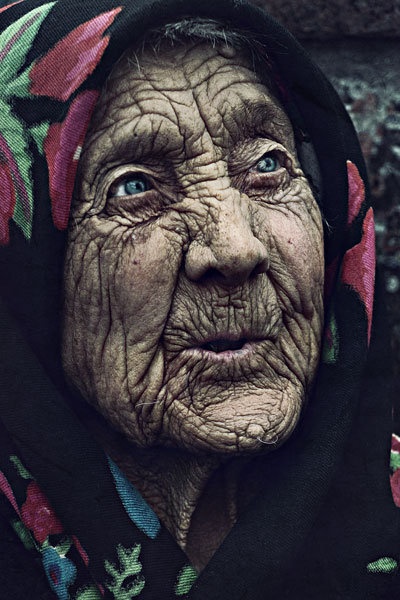
There’s immense beauty in life lived. In every wrinkle bought by time and much expression. It is evident, open, there to see. There is beauty in the well-lined faces of elders. In our own. They are pathways earned by living. Furrows sewn by memory and feeling. Intricate etchings of how one came–and still comes–into one’s own, how spirit’s grown.

A little boy of four told me the other day: “My granny is very pretty. She has lots of lines all over her face like spider webs because she’s old. She gets more lines every year for her birthday. I like her face. It is so soft and her eyes love me.”

There is history to tenderness and respect for the older. Many native traditions venerate their elders and hold their wisdom in high interest and regard. They know that life leaves marks, and most of them are well-earned knowledge. The lines upon a person’s face reflect not decline or oddly shameful claims of “one’s age showing” but rather are a mirror to a person’s wisdom, depth, growth.

Many of us have lost the Way, in modern times. In the rush to seek erasing life from our expressions, we’re urged to look away from those who forged before, who cleared the paths, who taught us all we know. We are expected to see wrinkled faces as what we should fear becoming. It is our own life we deny when we do not accept that we would none of us be had it not been for the elders’ lives, how it is now our history. The aged’s perspective is what holds our own horizon steady. They know of corners we do not yet see for we are in too low a vantage point, compared. Their faces show it. Maps of living. Losing sight of it is losing part our ourselves, of what we may have the blessing to become sometime later be.

The little boy who sees his granny’s life etched in the softness of her face and the love in her eyes–he gets it. His priorities are calibrated. He sees the beauty of life lived, not the images peddled by companies seeking fortunes by telling people lies: that life reverses, that years should not be seen, that age that shows is somehow shameful and wrinkles should be believed to depict a worn-out living, unworthy of respect. The opposite is real, and this child’s vision is clear, aligned with Truth: that the paths we walk become a part of us. That our beauty lies in our compassion, in what we learned of ourselves and others, in how we live. Beauty is not measured in complexion or in how well we do in life’s erasing.

If only more could see. The beauty of life lived. Reflected.

I am someplace in early middle years. Not nearly old enough to spider-web, but in the place where I receive a few new gifts of wrinkles for each birthday, and hopefully some of the wisdom they can depict of some experience. I see them, welcome into my visage: laugh lines, small remembering of oft expression, better understanding of the interplay of gravity on time and skin.

The same little boy looked at me the other day, his eyes full of inspection, his young forehead creased lightly in concentration. He searched my face. Lifted a hand to my cheek. “You have some wrinkles, too,” he noted. That’s pretty.” He sighed. Satisfied. 

life lived1

life lived

Let it be

let it be

Let your soul speak

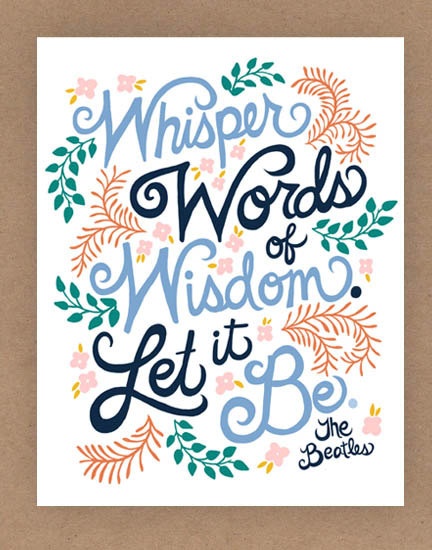
Words of wisdom, words of beauty

Let it be

Let your heart find

Words of courage, words of hope

Let it be

Let your mind know

Words of comfort, words of peace

Worlds of ease

Let it be

calm

Sky-High Practicality

airplane

Seven hours into a twelve-hour flight the other night, an adorable (and chatty) curly top three-year-old in a nearby row: “Mommy, I don’t want to stay on the airplane anymore. My legs want to run.”

Mommy (sounding similarly fed-up if not run-ready): “I know, Sweetie, but we can’t get off right now.”

Curly Top, miffed, tone slightly rising toward whine-a-thon: “Why?”

Mommy: “Because we’re very high up so we can’t go out now.”

Curly Top: “We’re in the sky, Mommy?”

Mommy, voice disheartened: “Yes … we’re up in the sky.”

Silence. Then Curly Top again, pensive with a touch of wonder filtering in: “Mommy, we flying?”

Mommy: “Aha … the airplane is way up high because we’re flying.”

Another silence, followed by bubbly cheerfulness in the toddler’s voice: “Oh, that okay Mommy! We can just fly down right now!”

🙂

airplane2

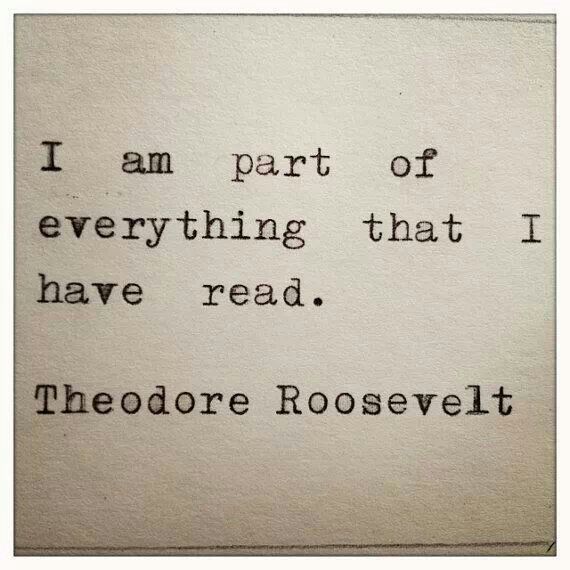
Why do YOU read?

How do you use reading? How does reading handle, challenge, comfort, startle, change, use … you?

Do you read for pleasure? Do you read when you are sad? Do you read for inspiration?

Just for school, research, work-stuff, projects? (if so then that is quite a bit depressing, really, I am sorry it is that bad …) 

Do you read for passing time? Do you read for friendship? Do you read to seek ideas? Do you read to make good use of waiting, lines, your travel? Do you read to undo boredom? Do you read because you can? Do you read to keep on current or to discover what had happened during times before your time? Do you read for imagination? Do you read to reconnect? Do you read for knowledge, wisdom, thought provoking, prayer, fate? Do you read for all these reasons and read some more for just in case?

Do you read books, magazines, publications, journals, newspapers, memos, menus, t-shirt logos, signs? Do you re-read old notebooks, older letters? Do you read your children’s homework, the funnies of another, bits of stickies left in library books by mysterious someones?

Do you read for comfort?
Do you read for hope?
Do you read to understand?

Do you read because it matters? Do you read because you must? Do you read for words you’re learning? Do you read to learn to live or to prepare better how to die? Do you read for things you did not know and need to? Do you read for what you wish you did not need to know yet should not be look away from or deny? Do you read for group discussion? Do you read to share a page? Do you read to walk along the ones who placed the letters onto page and screen and paced into your life?

Do you read a child to sleep? Do you read to calm an elder, to apologize, to woo a loved one? Do you read to spark an interest? Do you read for laughter, for redemption, a good cry? Do you read as prayer or as meditation? Do you read to find a path to bigger pictures, wider seeing, deeper meaning, brighter skies?

Do you read to find your own voice? Do you read for vision?

Or like me, do you read for all of those reasons … as well as for the simple fact that you are addicted to the human language and cannot, would not, do not want to, ever stop …?

ihaveread