Kids and Screen Time: Data, Reality, and Possibility

ScreenTime

When I grew up, television was a very small part of daily life, and was the only screen in the house. Telephone conversations were usually brief (and attached to the wall through the cord in the main room of the house, they only allowed limited privacy). Most daily interactions were face-to-face. Social interaction with peers and siblings certainly were face to face.

Now most homes in developed countries have several screens in different configurations: TVs, laptops, computers, tablets, phones, game consoles, DVD players, other interactive toys that come with a screen.

Children spend a lot more time facing a screen than they ever did. What is the impact of that?

Like every tool, screen media is neither good nor bad–it is HOW you used it and HOW MUCH you used it and what it DISPLACES that matters.

In this electronic age, children have more access to more education materials in quicker and more convenient ways than ever before. Media and information are powerful, but not neutral: If not taught how to discern information on the web, children do not learn how to conduct research or pick out primary source or secondary source, how to identify fact from biased blog or a complete fallacy. They may believe everything they read online–both truth and blatant misrepresentations. They need to be taught how to use information, how to cross-check, how to learn.

Education with the use of screens has replaced some of the methods of learning that were used in not-too-long-ago times. They have benefits and limitations. They can replace some older methods of research and increase efficiency and effectiveness of learning. They can connect people from far places to work together. They can bridge over differences and stigmas. However, they can also displace the interactive collaboration of listening, analyzing other people’s opinions and views, and working together interactively in real space (rather than over the internet in shared documents or through ‘attachments’ or searching to copy other people’s reports through google …).

Outside of educational screen time (i.e. the time children spend watching screens for learning, whether formal or informal), there are also the many hours a week that children spend playing or gazing at movies or music videos, or in texting incomplete sentences in stunted spelling to their friends on social media or phones. These hours often displace actual face-to-face interactions and all that comes with them: reading social cues, body language, emotions, tone of voice. Electronic communication is a poor substitute to actual interaction. Emoticons are a very crude representation of people’s facial expressions, and while they can lend ‘color’ to a message, they are not the real deal.

Children who spend too many hours staring at screens spend too few hours interacting with others and learning skills for interpersonal communication, for reading other people’s emotions and body language, for taking turns and listening.

In an article on NPR, about “Kids and Screen time–what does the research say”, researchers found that removing screen time (and effectively, the replacing of that back with social interaction and TALKING TO EACH OTHER and engaging with others), helped children be more able to recognize facial expressions. The benefits were significant even after five days of no screen time.

While some people advocate total electronics removal … I am not an advocate of removing all electronics: we live in a time where media and internet, email and web searches are enormous tools. It would be a form of social isolation to cut children off from the ability to interact with the world. However, it can be unhelpful to have too much screen time, as it displaces other kinds of social engagement that are just as important. Children do not know what they are missing when they stare at screens instead of interact with people–it is our job and responsibility as adults to help them learn to communicate and socialize.

Infants learn how to interact, how to engage, how to interpret communication and intent–through facial expression and through immediate dyadic interaction in many different settings over many interactions. It is a learning that continues throughout childhood and into young adulthood (and some may say, throughout the lifespan). We need to be mindful of not displacing personal interaction with screen time.

It is possible to do both–though that calls for moderation and boundaries (things that children need to learn, anyway). Additionally, it needs to be not only the children … adults who spend all their times staring at a little screen are displacing time of interaction WITH their children and are becoming models for what we do not want to reinforce.

There is no one recipe that would work for everyone–the right balance is different for different people at different times. What does make sense to me, is to be mindful and be honest:

  • Do not demand of your children something you do not follow yourself …

* Create windows of time when screens are not used in your home: a ‘curfew’ time for phones, or an evening a week without any electronics, a ‘no virtual communication’ weekend day, maybe decide on no electronics in mealtimes (basic politeness, that …), or on other ways to limit screen time. For everyone.

  • Make sure that you are a good model for turning off electronics and doing more than just lifting your eyes momentarily from one …

Young children, especially, are vulnerable to not developing what they SHOULD be developing. If their little faces are stuck to a screen rather than interested in another person, and if their interactions are the brief raising of eyes (or the parent’s brief raising of eyes) from a screen to nod or follow a direction; they would not learn how to engage well, they would not know to be good communicators, or listeners, or readers of social gestures, facial expressions, body-language, and signs.

This is not an either/or. Electronics and screen time, interpersonal social time: It can be an and/and, but it needs to be mindful, lest we raise a generation of children who do not how to interact … and fail them by not providing them the opportunities they needed to learn.

To read the article: “Kids and Screen Time–what does the research say” on NPR, click on the title, or click below:

http://www.npr.org/sections/ed/2014/08/28/343735856/kids-and-screen-time-what-does-the-research-say


Because I understand me!

From Pintrest

From Pintrest

She heard noises coming from her daughter’s room. A heated conversation, animated chattering.

She listened at the door. Changed tone, one voice, empathetic discussion. She peeked–no toys involved, no dolls. Just her four year old sitting on the bed, talking earnestly.

“Who are you talking to?” she asked.

“Me.”

“How come you’re talking to yourself?”

A surprised look, a ‘duh’ voice: “But Mommy! Because I understand me!”

What do you do with a melted child?

I could hear them before they even entered the building … his screech, her frustrated murmuring, unclear words with clear intent to hush and stop the fussing.

It did not get better in the vestibule, or the stairway. Screaming, banging on the rails (there’s fantastic echo in the building–apparently it is spectacularly irresistible for maximizing the effect of tantrums).

The mother’s pleas inched up in volume, from “stop this” to “please behave” and “you are making too much noise” to “other people are going to get mad at you” and “if you don’t stop this there’d be no playdates.” The immediate effect was a proportionate rise in the child’s loudness.

I decided to go meet them half-way. It is not something I usually do, so my very appearance in the hallway was enough to generate sufficient surprise to elicit momentary silence. I capitalized. “Sounds like you are having a hard day,” I noted, directing my words to both red-faced figures, one with mortification, one with the exertion of maximizing vocal output on steep stairs.

“I’m melting,” he noted, quite matter of fact, I might add.

“Oh,” I responded.

The mom looked from him to me and back again. “Melting?”

“A meltdown, I suppose,” I smiled, turned to the boy. “It sure sounds like a major meltdown.”

He nodded emphatically, satisfied.

“Do you think you had enough of a meltdown for one time?” I offered my hand to him. “It sounds pretty exhausting.”

He considered, placed his little hand in mine. Turned to his mother with a rather smug expression. “I done melting now.”

“I’m glad,” she managed.

“What was this about?” I wondered aloud.

“He wanted to be the one to press the button for the bus stop …”

“Ah.”

“But someone else on the bus already pressed it … so he refused to get off …”

I looked at him with a raised eyebrow. He nodded, approving of the testimony. “It was my turn to push the button,” he accused.

“Hmm, maybe other people on the bus didn’t know that.”

He looked shocked at the very notion. How could anyone not know what he clearly had?

We climbed. He pondered.

“It only got worse from there,” his mother added, still debriefing. “I had to carry him off the bus, screaming. He threw himself on the ground …”

It explained the stage of his clothing … it had rained earlier …

“He got himself all wet …” she sighed, “I’m sorry for bringing him in such a mess.”

He turned to her, his face a mask of indignation. “Of course I wet, Mama! I was melting!”

meltdown1

The Connection that Never Was

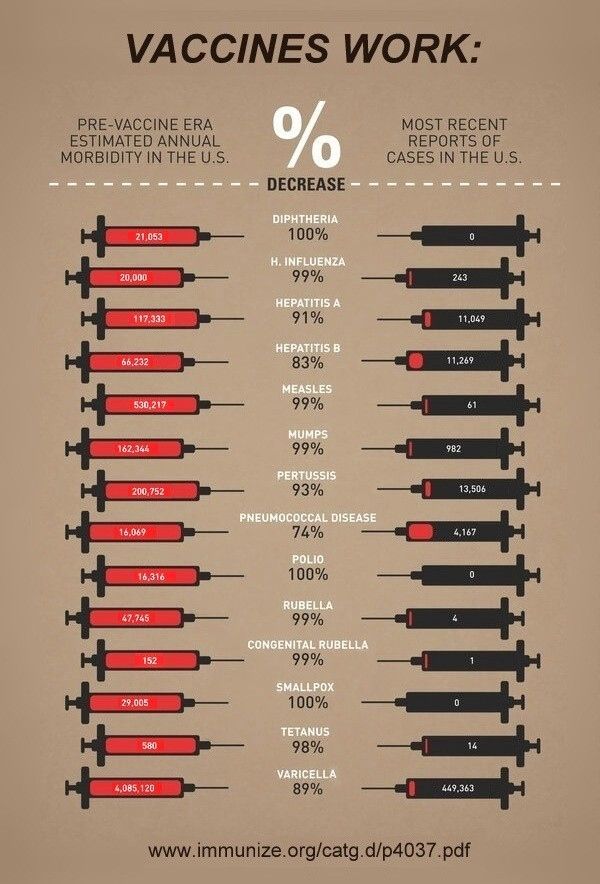
Am sharing the article below because there is benefit to reducing the worry and panic and misconceptions among those who still hear things about the supposed connection between autism and vaccination, and don’t know or never had good access to the facts.

This recent article in JAMA is one more study that shows NO CONNECTION between the MMR Vaccine and Autism. In fact, there never WAS a connection. In fact, no peer reviewed studies ever did show a connection. The study that caused the original panic was — by the admission of the researcher himself — made up and the results were falsified. The article was withdrawn a long time ago from reputable journals, and the scientist has been discredited for the results he falsified. Furthermore, his claims were never replicated (not surprisingly, given that they were false from the get go), and there has never been any support for the connection.

Some children may have adverse effects to vaccines–or to any medication or substance for that matter. Children can react to cotton, wool, milk, wheat, sugar, natural vegetable dyes, sweet potato, eggplant, broccoli, eggs–just about anything. This does not make the rare reactions mean that these substances should be avoided generally, or that they ’cause’ diseases. Vaccinations do not cause autism. There has never been any support for that, and many people did try to find it. They did not.

I hope this current publication in one of the most prestigious and rigorous journals in the world will help straighten out some of the facts for those who are still worried.

Vaccines save lives. They do not cause Autism. Never had.

http://jama.jamanetwork.com/article.aspx?articleid=2275444#

vaccines work

A Small Bewitching

She came up the stairs dragging a very sorry looking mop.

To my raised eyebrow, she smiled, “it’s a secret,” and said no more. She placed the mop in a corner (head double tied in a plastic bag per my insistence), and sat down to work. Once in a while she lifted her face to look at the mop’s handle with a little “I know something that you don’t but this is working really well so far” grin.

I was of course dying of curiosity but had to admire her resoluteness to not spill the beans. This was no easy feat for a girl who would usually share just about any tiny detail she could think of.

Not this time.

This cat, I could see, was not being let out of the bag. How apt, when we have been working on symbolic language, and how she adored the image of that specific idiom. Thought it was the funniest thing after being “all ears.”

When the mother came to pick her up at end of session, a storm paced near.

“What’s this?” The parent curled a lip.

“From outside,” the child replied regally and more than a little challenging.

The mother shook her head at the mop. (My thoughts exactly … from OUTSIDE? Who knew what peed on this, or worse, and why someone decided to toss out the scraggly mess! She brought this in here from OUTSIDE?!)

The child remain stoic. “I told you I’d figure it out,” she said cryptically.

“But …”

“And you said that if I found a way then I could AND that this can be a secret until Halloween! So you can’t say anything or you’ll tell!” the girl jumped in rapidly before the mother said something that would reveal what was to be kept hidden (and … I think, to prevent any conversation from putting her at a disadvantage …).

The mother looked at me helplessly but all that I could do was shrug slightly and observe. This was better than TV, definitely. I did not have a clue what was going on, but the child’s delight was fun to see. I did have to hand it to the gal: she clearly made a point and seemed to be driving it home (hopefully not literally … I could not see any cab driver happy to see this in the taxi … and was already thinking how there’d be some disinfecting on my end once this thing left my floor, plastic bag or not …).

A long moment ticked. Another.

“Okay!” the mother sighed. The girl’s grin was humongous.

“Okay?!” I could not help it. The girl picked this up from the garbage and it was okay?? This was not a woman who collected toss-out stuff from pavements, and I could not see her letting this into her house. I could barely believe I let it into mine …

“Oh, she means she’ll get me one!” the girl explained. Victorious. “She didn’t want to but I told her that I will find one myself … though,” she turned to her mother, all nectar and loving sweetness, “it WILL be so much nicer to have a new clean one to use …”

The girl grinned at my bewilderment and left hopping down the stairs. Her mother–I am not sure quite as relieved–carried the offensive mop between two careful fingers (“So it does not smear who knows on each of your steps,” the parent shuddered, keeping the bagged mop head well above the ground.)

Neither mother nor child offered explanation for the girl’s newly found interest in housekeeping. It remained a mystery to me.

Until today.

(Picture of an unrelated child in a similar costume …)

Little Witch via Karen Perry

Back to School–Challenges and Hope

back to school

Back to school. Eyefuls and hearts full of children in new clothing and shiny shoes totting sparkling backpacks that are yet to be dragged, thrown, pulled, and sat on. Images of parents, some relieved for end-of-summer entertainment chores, others sorry for the loss of time together, and many more managing an alternating roller-coaster of both … Children with their own mix of dismay and anticipation: back to homework, also reconnecting with classmates and interesting new things to learn.

Back to school is a bittersweet time for most. A loss of freedom yet a gaining of routine that can often be stabilizing. A time for new beginnings and old worries. Fresh expectations and maybe the memory of disappointments. There are anxieties and stresses about friendships, best-friends, cliques, teachers, lockers, who would sit with whom in the cafeteria, fitting in. Mixed into the tetchy anticipation are all too often often nagging worries about too-difficult studies and possible overwhelm.

This time can be even more potentially stressful for children who have language-learning difficulties and past experiences of failure. For them going back to school might brings up memories of struggle and inadequacy, of confusion and all-too-frequent errors and correction. They may associate school with overwhelm and be anxious about the end of respite that summer offered. At the same time that they may still be excited about reuniting with their friends or meeting a new teacher or trying out the new school supplies in their pristine notebooks; they may also hold worry and distress that, too, needs space alongside the excitement. Mixed feelings may be difficult for these kids to explain, further adding to confusion.

Children rarely have one feeling at a time (most of us don’t, really) and the salad of emotions is frequently shifts and is difficult to tease apart. Especially so for children who have some difficulty with communication, processing, and language. It can help to let them know that it is fine to have all kinds of thoughts, worries, and emotions tumbling through their minds and bodies. Verbalizing the experience helps demystify it and helps give words to what may otherwise feel like undefined unease in the pit of little stomachs and vague distress exploding into weepy bouts and unexpected tantrums.

Back to school time can be tender, and fortunately there is much that you can do to help!

If you had not done so yet, it may be a good time for a brief ‘postmortem’ of the previous school year: What worked and what didn’t? What are they proud of? What were favorites and what was least so? What would they change if they could? What was most helpful? What would have helped? Is there anything or anyone they’d miss? Anyone they worry revisiting?

Time, too, for a heart-to-heart about this school year before it begins in earnest: What are they excited about? Does anything worry them, and if so, what it is? Who are they looking forward to meeting? Who are they not keen on seeing again? Is there anything they are not sure about? Anything about which they feel more confident? And … what do they need? How can you help?

For those for whom narrative is a challenge, it would help if you share your own back-to-school stories: The best year, the worst year, your favorites and least. What gave you joy and what causes you worry. Modeling your own mixed feelings gives permission for the child to have a mix within themselves, and provides a framework for their own descriptions. Add your thoughts and feelings about them and their new beginning: Your excitement for how much they’ve grown and your touch of sadness for the end of summer pleasures; your hopes for a good year and your wishes it would not be too stressful or too difficult.

Do not, however, criticize or bring up ultimatums. Things like “last year you did not try very hard so this year I expect you to do better …” or “you better work hard this year or there’d be no play-dates …” or “I don’t want to hear bad things from your teacher about you like I did last year …”–they wound, not help. Shame strips hope away and erodes confidence. Absolutely vent your frustrations and fears to other adults you are close to but not in the presence of the child who evokes them–you need a soft place to fall but it should not be your child who provides it for you …

No child wants to do badly in school or to misbehave. Using last-years woes (over which the child now has no control anyway) as leverage for this year demands does little to give motivation. Failure will happen–we all misstep, we all make errors, have bad days, act out sometimes, forget, neglect to follow some direction. If the child enters school afraid or disillusioned they may reach conclusions that it is not worth the try if they are already half-way into punishment …

So … be on the child’s side. Encourage. Inspire. Allow a new beginning and fresh hope and confidence. You don’t need to praise failure or ignore hardship, but you can find a way to re-frame difficulties through effort and maturation. “I know that last year was challenging at times but I am so excited to see how much you have matured this summer” and “Let us work together to make this year the best year yet both in school and at home.”

Prepare. School supplies and school clothing are important. So are arranging schedules and anticipating needs and letting the child be part of whatever decisions they can have some input for and control over. Familiarity with routines is important for any child but even more so for the child who may need help with comprehending and following cause-and-effect, sequence, and directions.

How to do it? Talk about the coming schooldays’ schedule. Point out when school starts and ends, how long things take (the school bus, getting home, homework), what other things will need to be accommodated. Discuss the merits of good sleep and healthy nutrition, negotiate (or explain) a clear a time to rise and time to go to bed, time for other tasks as needed. This arranging of routine and timetable can be made fun–life should be looked forward to and manageable–after all, there are so many amazing things to find out and adventures to be had!

To make things more concrete and minimize the need to hold all the details in memory, you can draw a visual schedule together: clocks with crucial times to follow, lists of things to do each morning and after-school, timetables for after-school activities and therapies. This preparation will be further enhanced if you review the school schedule (and any unusual things like holidays and school trips) over weekends so the child knows what’s expected and what to expect.

Make sure you leave time for the child to have unstructured play. Ensure there is some time for boredom, too. In this day and age when life is busier and schooldays long and demands overwhelming, it is difficult to fathom children given time to daydream and get bored. However, these are crucial for imagination, creativity, rest, and assimilation. Children will daydream–might as well make time for it so it does not take place in class or during homework.

Secure some time for reading and snuggles. Schedule it in. It is no less important than homework or baseball or tutoring. YOU reading TO the child, that is. Beyond the pleasure of connection and time together in story adventure, there is ample research showing it as a wonderful best way to increase their language and comprehension, to expose them to worlds beyond their own and deepen their listening. Reading to your child will enrich your connection and provide a time and place for shared relaxation as well as important opportunity for sharing what may otherwise not find a way to bubble up and be spoken of.

Preparing the school staff is helpful, too, if special accommodations or understanding are required. Consider speaking with the school ahead of time (or early in the school year) so that you limit your child needing to stand out as different or wait for accommodations. You’ll also get a sense to who the teachers are and which one may call for more teamwork and coordination than others.

Prepare yourself, as well … Not for the hardship, but for self-care. See that you not forget your own needs for good food, enough sleep, time to breathe, to exercise, to call a friend, to laugh, to cuddle. Stress is no more good for parents than it is for children …


It is a tender and exciting time, this back to school adventure of new beginnings. Even as it may awaken the frayed remnants of old worries, it offers amply opportunity for building confidence and bolstering hope. It is filled with growth and re-connection. May the cooler weather and the changing times herald soft days and brilliant colors, and may it bring on glorious learning ready to unfold.

Happy Back To School to All!

More Alike Than Different

Sharing a link below to a fabulous set of photos from around the world, of parents with their children, doing the things parents and children do best: living life, sharing smiles, bonding, comforting, playing, laughing, being, holding … loving.

The locations are almost redundant, inasmuch as they portray universality, anyway.

Because we are, all of us, far more alike than different.

May our commonality be what leads humanity going forth, and not the smallish misconception of separation. After all, what seems different is insignificant once you strip reality down to its components: care, love, connection, hope.

Click below to enjoy:

http://www.buzzfeed.com/mikespohr/incredible-photos-of-parents-from-around-the-world?bffb#48a14qb

Being sensitive: A blessing or a curse?


In her great blog Adele and the Penguin, Adele Ryan McDowell posts about all manner of lovelies (well worth peeking in!). Her recent post is about sensitivity, about those of us who may be labeled “too sensitive” or “highly sensitive people.”

Adele and the Penguin

http://adeleandthepenguin.com/is-being-sensitive-a-blessing-or-a-curse/

Reading it made me think–and not for the first time (Adele’s blog posts do that–they touch the everyday in novel and eye-opening and heart-opening ways).


The highly-sensitive people thing? Yep. I can totally relate …

So can many of my little clients.

Personally I don’t see being sensitive as a bad thing. Like any quality, I think the ability itself is neutral. It is how we react to it, what we do with it, how it affects our lives, and whether it adds or detracts from the person we are and can become, that is the most important aspect of it to me.

There seems to be more good than bad in sensitivity. Creative people are often sensitive. Artists, writers, thinkers, inventors. I certainly see more positive than negative in the more sensitive children who come to see me. They perceive the world minutely, they read people amazingly well (even if they don’t always know how to verbalize it), they feel deeply.

They are also, all too often, overwhelmed. There is too much, everything, everywhere, from everyone. In reaction, they snail in, lash out, fidget, shut down, alternate being acutely perceptive and deeply numbed out. They can have spectacular tantrums, meltdowns for seemingly nonsensical slights, go from happy to weepy in a blink of an eye. They get all kinds of acronym diagnoses, sometimes rightfully, often not … They can walk through the days feeling raw, exposed, vulnerable, tender, empathetic, perceptive, disorganized and evocative.

Emotional regulation is a must for all children to learn. Without ability to do so and find a place of calm attention–they will struggle at school, in public, in getting along. All caregivers of children are tasked with the teaching and modeling of emotional regulation to the children in their lives. It is even more crucial for highly-sensitive children … who can tax even the most patient caregiver. The sensitive children need more help, much more help, to learn to regulate, to know when they need to take a break, to recognize the beginning of overwhelm and be able to apply a tool for grounding.

They need more time. To play. To rest. To think. To cuddle. To get bored. To dream. To get used to new things. To gather their courage to try. It is a luxury of time all too many of them do not get these days, in our modern world that does not make it easy to be sensitive.

Our world–and within it the education system and children’s schedules–is currently calibrated for very low sensitivity: there is information everywhere and increased pace galore. Blinking screens, beeping car horns and phone messages, jingles of all manners, multi-sensory bombardment, loud, fast, multitasking everywhere. There is stimulation all the time. Every. Where.

Wake up and rush to school, bend over homework in the car to complete what didn’t get done the night before because there was a birthday party and soccer practice. After a long day at school in a class of 30 and no recess or playground because it rained and a two hour assembly in a noisy auditorium followed by lunch in an equally ruckus lunchroom, grab your bag and gobble down dinner on the way from dance to chess before you go home and try to do homework with the TV in the background, someone angry with tech-support on the phone, the vacuum and the dishwasher rumbling along. Get a math problem wrong and dissolve in tears onto a kicking puddle of misery on the floor. It is not the math problem. It is the everything and that little bump of difficulty simply toppled tolerance. Everyday stuff mushrooming to a thunderstorm.

Sometimes I think that sensitive people may be better calibrated for slower life … for long walks from place to place, bigger nature around them, more connection with animals (and their highly regulating energies), more connection to the earth and its calming breath.

It is not how most children grow up anymore, and it is not about going back to lack of modernity (there’s much to be said for running water, electricity, and even the Internet …). However, it is about helping children–especially sensitive children–learn how to stop, pause, breathe, step away, maintain boundaries.

All children need that. Sensitive children need it even more. Their drama-streak, their tantrums, their meltdowns, their whining, begging, shutting-down are all their ways of communicating to us that they need our help to manage. That they are feeling raw and need a hug, a pause, a hand.

What to do?

First what not to do … It is not about ‘helping them grow thick skin’ or expecting them to ‘suck it up’ or ‘toughen up.’ Shame has yet to heal any sensitivity. Expecting one to be what they are not will not resolve anything other than create a distance and thicker pain, not skin.

What does work?

Try to keep things simple. Establish routines and try to maintain them reasonably consistent (we’re not talking OCD here, just predictability). Make time for quiet. At the very least relegate a certain space in the house that is off-screens: a place to read, do homework, dream. Be aware of competition–of stimuli, that is–if there is much background noise you cannot control, consider noise-canceling earphones for the child to wear when they need to concentrate. Keep it comfortable: temperature and clothing, yes, but also tone of voice and your own emotional regulation. Sensitive kids pick up on your state of mind and internalize it. It filters in. It gets under their skin. They are too young to manage your adult feelings for you … and they already have plenty of their own. Keep it soothing: quiet cuddling, snuggling together with a book or a few precious moments at the end of day, offer comfort when they are distraught. Let them know you see them, hear them, feel for their discomfort. It is real.

Sensitivity is like a fragile gift. It is precious, it is beautiful, it can light up the room and make for excellent potential. It is also delicate and needs some special care. It calls for careful holding in times of transition. It needs a very safe space, for sure.

Have no worries, if you treat your child’s sensitivity (and yours, if you need to) with care and … yes, sensitivity … you will not spoil them. To the contrary, you will teach them how to control and modulate their hyper-acute-perceptions. They will learn from your attuned care how to keep aware without drowning in information, how to keep empathetic without taking on other people’s needs, how to keep their senses vibrating brilliantly without becoming blinded or overwrought. They will learn from you to take time to breathe, to pause, to consider. They will recognize their own cues and clues and find ways to respond to them healthily.

They will blossom like the rare delicate beings that they are. Come fully wonderfully into their own. Sensitivity seen, understood, utilized, known.

delicate2


What Would You Do If …? Children’s Safety Plans.

safety

The mother of one of the children I work with called to let me know they’d would have to cancel their session for the week. There were some unexpected problems and she had no arrangement for the older child. Her youngest, whom I see in Speech Therapy, has several developmental issues, and the mother–a single parent–shuttles him for several remedial therapies every week. She sounded anxious and wrung out, so I asked her if she wanted to tell me more about what was going on.

“My older son had a bad experience with someone,” she sighed.

“What kind?”

“He usually stays with my mom when I take Mick* to therapies, but my mom’s away for a couple of months to take care of her sister who is having heart surgery. I found a sitter for him, but the sitter can’t come to my house, so I take him there and pick him up on the way home. Everything has been fine the first two weeks and Dan loved going …”

“But?”

“He was really upset when I picked him up yesterday. Said he never wanted to go back …” The mom sounded quite upset herself.

“Did he tell you why?”

“He said he didn’t like being there anymore. You know where my mind went … I was thinking the worst … but I didn’t want to put words in his mouth, so I tried to breathe and told him I respected his feelings and that we’ll figure out what to do, but it would help me to know what about being there he didn’t like … At first he just shrugged and looked down and such. Then he told me someone had come to visit the babysitter and brought a ‘really big scary dog who jumped.’ He got scared but the babysitter laughed it off and called him a baby and kept egging him on to pet the dog, ‘not be so yellow’ and not ’embarrass himself’ … and kept sending the dog toward him. Dan wanted to go home but he ‘knew I wasn’t there’ because I was in PT with Mick and he didn’t know what to do … I’m relieved nothing worse happened … but I feel awful he was scared and I wasn’t there. When I called the sitter, he was dismissive and said ‘it was just a dog and it wouldn’t hurt for the dude to toughen up some’. I won’t send him there again!”

We rescheduled for when she could bring both children, at least until she found another option.

“It was good you listened and took him seriously,” I tried to reassure her. “You can’t always protect kids from having an uncomfortable experience, but you can give them the power to reach out and have you help make sure it doesn’t go on. He told you something changed, and you’re taking steps to keep him safe. He did well for telling you, and you did well by not pooh-poohing his worries. In fact,” I added, “this is probably a good opportunity to speak with both kids about things they CAN do if they ever feel uncomfortable or need help. Just like adults, kids feel more secure if they know there’s a plan.”

red phone

Many adults have some form of emergency plan. We know what we’ll do if there’s a fire. We know what to do if someone ails. We have an idea of who can help if we’re feeling scared or intruded upon. We have phones and know how to use them. We have friends and family we can call on, we understand ‘gut-feelings’ and know that danger requires a response.

While children don’t need to figure out their own safety plans, it can be very helpful for them to have some tools and to have rehearsed certain scenarios during times of calm.

It is why schools have fire drills. It is why you should have one in your house–in day time as well as during dark. Make it fun, but keep it serious: it can save lives to know what way one is expected to go, what the alarms sound like, who to look for, where to convene, what exit to use, how to make it to the door with your eyes closed (think: dark and smoke and a blaring alarm …).

It is why children need to know to call 911 (and that it’s not a toy or something to ‘experiment on’). Why it helps to teach children to ask for help from people in uniform and/or from mothers with children (while most strangers are probably safe, uniformed people are often ‘in official capacity to help’ and mothers with children can often feel less intimidating and know how to respond age-appropriately to a child in distress).

Children as young as three can memorize their first and last name, as well as their parents’ names, what they do, and where they work. They can memorize their address (make it into a song …). Four-year-old can memorize a phone number. At five they can practice writing it from memory.

In addition to immediate safety, children should also be taught what to do ‘in case’: what if they find themselves separated from you in a mall or public gathering? What if they’re someplace else (with a baby-sitter, school, a birthday party or sleepover) and feel something is wrong? What can they do if they don’t feel safe?

Children should know they can always reach out to you, and need not worry about hurting the feelings of the adult they are with (you’d be surprised how often children don’t call a parent because they worry they might upset the adult they’re with). They need to know you will not be angry with them if they tell you they’re uncomfortable or scared. They need to know you’ll find a way to make it better–it may not be possible for you to fly in from another State in the middle of the night, but you might be able to speak with someone where the child is, or to otherwise assess whether more extreme measures are required–children shouldn’t feel they have to figure it out on their own if things feel too much to manage.

Teach children what to do if they need help and cannot reach you. Who else can they call? A good friend of the family? Another family member? A classmate’s parent?

Teach them when it is a good idea to call 911: If there’s a fire (even if they’d caused it), if they think something really bad is happening; if they or someone else is being hurt or might get hurt real soon if someone doesn’t come to help; if someone (especially an adult, but also if the adult in charge seems unable to manage the situation) is out of control or inappropriate; if the person in charge ‘acts weird or scary’ (children may not know to identify drunk or drugged, but often do pick up on something that’s not as it should be).

fireman with boy

Reassure children they shouldn’t get in the car with anyone they don’t feel safe riding with, who breaks the rules or is being tricky or secretive. It doesn’t have to be a stranger. You don’t have to explain drunk or drugged to very young children (though it might not be a bad idea to bring up the issue with older elementary school children), but you can give the child a sense of control for when they feel unsafe and ill at ease. I know a child (age 9) who refused to get in the carpool because the adult had texted while driving and had her eyes off the road for what felt like very long. That child’s mother had discussed safety with her, so she was able to say to the driver: “My mom doesn’t let me ride in cars where someone is texting. Please put the phone away until we get there.” When the driver refused, the child asked to call her mom.

Many parents are afraid to discuss problematic situations with their children. They think about sexual offenders, they worry about making their child feel unsafe in the world.

In reality, discussing safety skills is just as important as teaching children how to cross the street, how to wait for the light to change, how to use (and not use) tools and sharp objects, what to touch (and not). Preparing your children to manage unexpected situations is just as important. It gives them skills to be less helpless. Role play and practice these at home. Let them know it is okay to reach out and that you’ll figure out how to help … Reassure them they should tell you if they think they’d done something wrong … even if they worry you’d be mad: That you’d like to know and would help and love them anyhow.

As for the little boy: his mother had a good discussion with him (and his younger brother), and together they’d made some plans.

They talked about ‘listening to tummy messages’ (intuition) which let them know something was not okay. They talked about things they could do: Call mommy or grandma, call Auntie Nell (who lived nearby and was willing to be standby help), call 911 if they were really afraid or needed someone to come right away.  They talked about how it was okay to tell about things that didn’t feel right, and that they didn’t need to keep secrets they didn’t want to keep. That their bodies were theirs, and so were their feelings. That being scared is not bring a crybaby and they didn’t need to touch, go, see, try, say things they felt weren’t okay, went against the rules in their house, or felt ‘not right.’

And the little guy?

He learned his mother was there for him. That it was okay to let her know how he felt and he didn’t have to protect her or worry or figure out things on his own. That he was just as important to take care of as his younger brother. That he could listen to his gut. That it wasn’t okay for anyone to put him down or make him feel ashamed to tell. And … that the world can at times be uncomfortable but he did not have to manage it alone and knew what to do if he felt he needed help.

Do your children know what to do if something happens? If a caregiver doesn’t show up to pick them up? If they find themselves alone someplace? If they feel intruded upon? If they are told confusing things? If they are asked to break rules they don’t think should be broken? Do they know who they can call on if you’re not around?

Make a plan. Today is a good time!

action plan

*names changed to protect confidentiality

A Father’s Day Quest

hand in hand

“Everyone has a father, right?”

The question came from a little boy. Age 7. A usually cheerful child. Subdued this time.

“What do you think?” (my standard response to children’s queries, figuring they have a working hypothesis already)

“I guess. Sort of. But not exactly.”

“Hmm … want to say more about it?”

Fidget, spin a top, twirl it, drop it, lean precariously out of the chair to get it, spin again. “I think you need one. To get born.”

“Yes, that’s generally true.” I pause. I sense there’s more.

“But I think you also need one to grow up better. Kind of. I’m not sure. Only if you have a good dad, though.”

“That makes sense.”

He looks up at me, tolerant of my very vague responses. I am certainly capable of being more verbose, and he knows it. However, my sense is that he is seeking an audience to bounce ideas off of, more than he wants my actual input. At least now.

He plays with the top another minute. Tries spinning it on the handle, upside down. It falls. He frowns. “I don’t like Father’s Day.”

“I hear you. I understand. It is a great day for many but it can also be a tough day for some. Can be confusing, too.”

He nods. “Yeah …”

Fidget, spin the top, drop it, pick it up. “My mom says that my dad is the kind of person people warn their kids about.”

I know … My heart breaks for him. It should not be reality for anyone.

“I’m so so sorry.”

Words don’t quite suffice, and yet I hope he feels it comes from true compassion, that he hears I get it (even if he doesn’t need to know how well I understand).

The father lost custody because of “serious issues” that led to the mother’s sole custody for “the child’s safety.” The boy’s dad spent time–or still may be–in jail. Something to do with child pornography. The mother got custody when the boy was still an infant and he doesn’t remember his dad. The mother reassures me that the boy had been “protected all along.” A warm and caring mother, she works hard to not vilify the boy’s father even as she tries to ensure he understands enough about why he does not see his dad and most of all that it does not have to do with him not being worthy of a father’s love.

He is a happy child overall, but not without a loss. Father’s Day can be tough.

He twirls the ornate wooden top between his fingers. “Sometimes I wish I had a better dad.” His voice is matter of fact.

“I know. I wish you did, too.”

“My mom says there are many kinds of father people. That they don’t even have to be your real dad to be a little like a dad.”

I love that mom! “She’s very right. I agree with that.”

His nod is reassured. He brightens some.

“My uncle is a little bit like my dad.” His mother’s younger brother. I’ve heard the boy wax poetic about this uncle before: He idolizes the man. His eyes light up.

“He’s already in my family, right? So maybe this makes him even more like he could be sort of my dad. I mean, not really really, but in my heart …”


You betcha’, little man.

Your heart is an excellent place to collect fathering. You deserve a dad as fully as anyone!

father and child


On this Father’s day:

To you who are plentifully fathered–may it be a Father’s Day to celebrate the gift of love. The miracle of true parenthood.

And to you who seek a father. Who lost theirs. Whose fathers lost their way or lost their lives or lost their soul–may you know a sense of fathering regardless. May you recognize its quality and accept its salve into your lives. Be someone’s prince or princess. May you find the fatherhood that grows within you: the knowledge of strength, the acknowledgement of protection, of strong arms, stronger heart.


lion and cub1