Aloft


“When, Mammie?” Sally fidgeted on Bella’s lap. Bony butt on bony thighs on a hard bench. It hurt, but Bella ignored the discomfort.

“Any second now,” she responded. The crowd’s hum amplified the thumping in her chest. Heart to ribs. Heart in throat.

A rumbling started. Imperceptible at first, then a rattling that shook the ground, and a moment later, sound.

Two beams shot up. Lit the night sky.

“Goodbye, Eric,” Bella mouthed, tears overflowing. She held Sally so tightly that the child protested. “Find hope, my love. Find life. Then come back for the rest of us.”


For Rochelle’s Friday Fictioneers

Photo prompt © Roger Bultot


Urban Sprawl

Photo prompt © Nancy Richy


The day the sun returned, the roots found joy.

It’s been an endless dreary time, asleep under the solitary plant light in the basement, curled in, unwilling to release new leaf into confinement.

Then came the roiling movement, the rumbling monster that made Earth wobble under ground. A quaking that woke ancient worries, but also a forgotten hope.

For new space can manifest after the earth moves.

New like this sill. This glorious comfy ledge. This daily warm caress.

The tendrils leapt, crept, grown. They found a mirror – of themselves – reflected in the glass.

A happy urban sprawl.


For Rochelle’s Friday Fictioneers


Points of Light


“They will not come.”

Mara stilled her neck from shaking. Gabrielle did not need confirmation as much as she needed hope. “Oh, but they will,” she soothed.

Gabrielle shifted and sighed in half voice, half moan.

“Are they coming more frequently now?” Mara inquired then laughed at the teen’s raised eyebrow. “The contractions, I mean. Not the others.”

“They can all come once and done,” Gabrielle sputtered between clenched teeth.

Mara chuckled but her eyes searched the darkness. Gabrielle’s stamina would not last long.

A light wavered in the distance. Became three points. Mara exhaled. Finally, the sign of hope.


For Rochelle’s Friday Fictioneers

Photo prompt © Lisa Fox

For The Sake Of

sixteen-miles-out-3CA_-xcpulY-unsplash

(Photo: Sixteen Miles Out on Unsplash)


There might not be an end to this, she thought.

It broke her heart to even think it. For she did not recognize herself in this thought. This worry.

Hardship was a familiar thing. She understood struggle. The effort of building muscle against force.

She knew suffering.

But not this. Not the deliberate harm.

Not the anfractuous path of sorrow inflicted purely for the sake of pain.

She knew not what to do with that.

Other than build a barrier around her soul to protect what was left, grieve for the need to do so.

And hope.


For Sammi’s Weekend Writing Prompt of: anfractuous in 97 words


Unmovable


“She’ll never,” Howey said.

“Still, she might,” Ron argued.

Howey shook his head. No use arguing. Ron couldn’t see what he chose to ignore.

Much like Mom, Ron was, if less pessimistic. Though Howey did worry that Ron, too, would ossify with hardship and time.

“If we did all the chores, perhaps?” Ron offered.

“She’d see that as us doing our duty,” Howey noted.

Ron’s face fell. He so yearned to see the fair!

“Maybe if we patch that roof she’ll thaw a little,” Howey added, seeing his brother’s disappointment.

“Thaw who?” Mom thundered. “Wash up. We go to town!”


For Friday Fictioneers

Photo prompt: © Jennifer Pendergast


The String

tom-pumford-ASRo-o8xIEw-unsplash

(Photo: Tom Pumford on Unsplash)


Her fingertips betrayed her. Flitting over the edge of her shirt. Spinning the loose string that twirled and fluttered in loops of tightening and release.

He might come. He might not.

Her quiet hope.


For Sammi’s Weekend Writing Prompt of: Flutter in 34 words


Hanging In

ray-fragapane-QM5-lbqzREc-unsplash

(Photo: Ray Fragapane on Unsplash)


They didn’t know then

Or still

What track life will

Bring.

Yet they hold on,

By bootstraps

Hoping

For just enough breath with which to

Sing,

To the sun

That would rise,

To the hope

That would

Cling.

Till dawn will

Another story

String.


For dVerse Quadrille Poetry challenge


Almost Viable

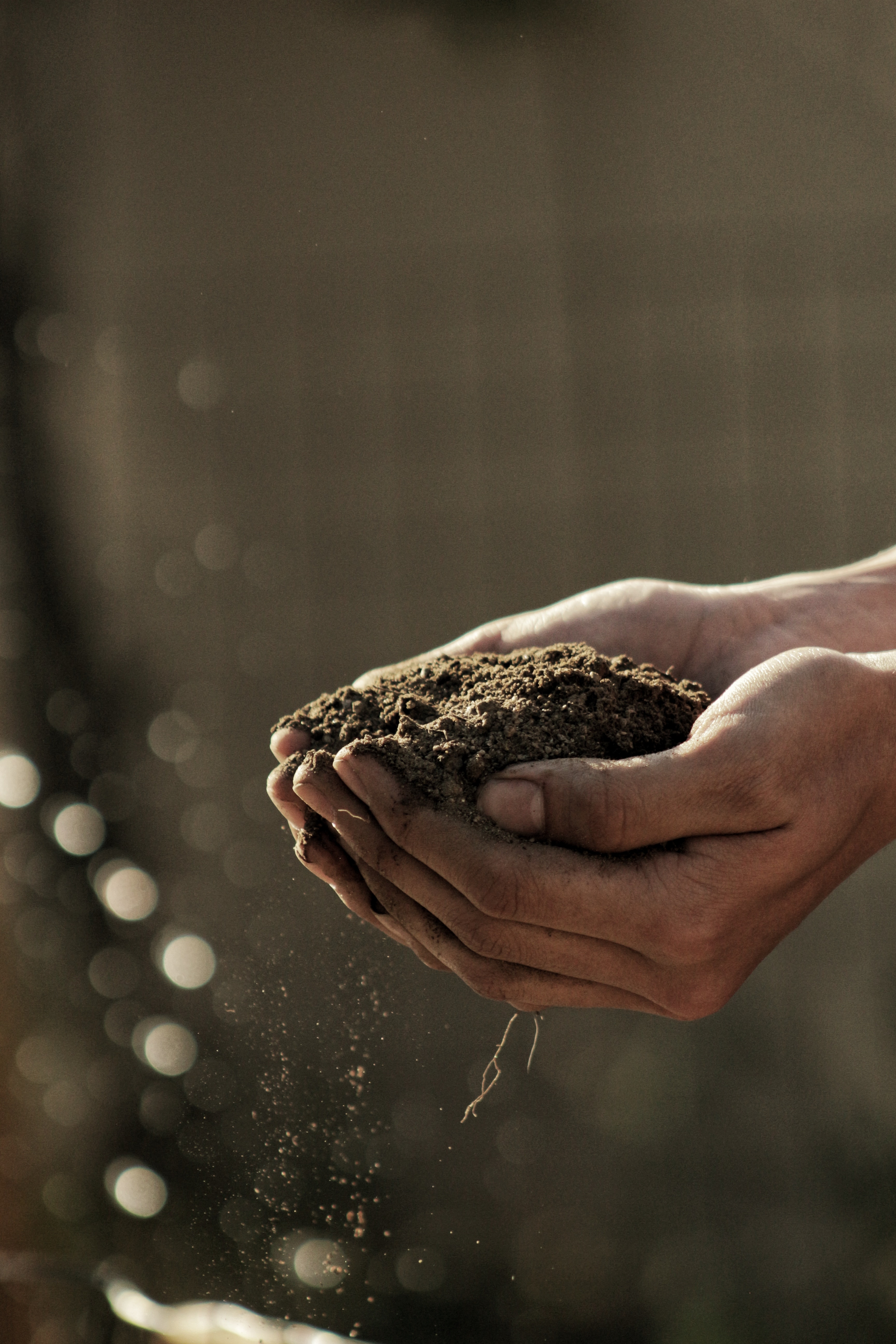
gabriel-jimenez-jin4W1HqgL4-unsplash

(Photo: Gabriel Jimenez on Unsplash)


She was almost there.

The core of her was almost

But perhaps not quite. Viable.

It took so much of her. To form. To build.

To be.

To sift the valued from the wreckage.

The meaning

From the hurt.

That there was little left.

Yet.

For viability.

Nonetheless it was still in there.

Nascent. Waiting.

For the rain.

For the sunlight.

For the nourishment.

For what had already sprouted and was on its way

To the life

She was.

And could

Sustain.


For Sammi’s Weekend Writing Prompt: Viable in 82 words.


Arrowed Cloud

engin-akyurt-A9_IsUtjHm4-unsplash

(Photo: engin akyurt on Unsplash)


“He’s not cooperative,” his teacher warned me when I called to find out more about the boy who’d been referred to me for speech-language therapy. “He’ll find a hundred excuses to not do the work.”

“Sounds creative,” I interjected.

“He is,” the teacher conceded, “but it is exhausting.”

For him, too, I was sure.

“You’d think he’d settle down,” the teacher sighed, “but it’s like he’s gotten worse.”

Al* had language-learning issues. He struggled to express himself, to understand what he read and what was read to him. He mixed up letters. He mixed up messages. Exposed to alcohol (and quite likely to other substances) in utero, his early childhood was marked by constant shuffling between foster-care and reunifications with his biological mother, until parental rights were terminated, and he became eligible for adoption. He’d never known his dad. Al suffered from asthma. He had difficulty attending but reportedly “no difficulty misbehaving.” He scuffled. He cursed. He broke things. He kept getting in trouble. He spoke little, read less, and his writing was filled with errors. He was in fifth grade.

The “settle down” was a reference to his recent adoption by relatives of his biological mother. Now that he was in a “forever home with family besides” he was expected to move on. He was expected to “make gains,” close gaps, and be happy. He was undoubtedly happy for stability. He was also grieving, furious, frustrated, and failing at school. He acted out. He shut down. He “did not cooperate.”

He’d had at least four previous speech therapists. The teacher informed me that “he hates ‘Speech.’”


“You don’t look thrilled to have another speech therapist,” I noted on our first session together.

He raised a single eyebrow so perfectly that I wondered if he had practiced the move in front of a mirror.

I smiled. “Speech can be fun …”

“It sucks.” He stated.

I nodded. “I hear ya.”

“So, I can go?”

“Good try,” I chuckled. “We’re stuck together for now.”

He shrugged but didn’t flee.

“I don’t do work.” He warned, testing.

“So let’s not call it work,” I agreed. “Let’s just figure out ways to make the other work you have to do, a little easier. Because I think you’ve had to work way too hard.”

He narrowed his eyes, suspicious.

“I mean it. And … I can understand wanting things to be easier.”

He shrugged. Crossed his arms. Leaned into the backrest of the chair.

I saw it as truce.

The next few sessions were like pulling teeth. His attention flickered. He vetoed some tasks. He tried to sulk. But he listened. And he didn’t disappear into the boys’ bathroom when it was time for sessions. He tolerated me, which was better than what the teacher (and Al?) had predicted.

We took it slow.

Then I brought Shel Silverstein’s poems to a session.

“I’m not a baby,” he bristled.

“It’s not for babies,” I retorted. “It’s also for grownups. The illustrations may look silly, but lots of this is about serious stuff.”

He folded his arms and closed his eyes. On strike.

Or not.

I read.

His eyebrows were knit together, but then his shoulders lowered, and he took a breath. He frowned. He chewed his lip. He listened.

When I finished, he opened his eyes. Held my gaze.

“Cool, eh?”

He shrugged.

“Poetry is like that,” I said. “I love how it can find words for things, sometimes.”

He shook his head. Twisted his lips. Stared at the book. Flipped through the pages.

“Want me to read another one?”

He shrugged.

I did.

I read three more.

He scribbled arrows piercing clouds.


The next time I saw him, he pulled a piece of paper out of his pocket. Fiddled with it. Shy.

“You have something?” I chanced.

Shrug. He stared at the poetry book I had prepared for us again. Unfolded his paper. Refolded it. Coughed. Took a breath. Thrust the note in my direction.

“Can I look?” I asked. Consent is tricky with kids who’d had others decide everything for them. I didn’t want him to think he had to show me.

He nodded. “I write it.”

I unfolded the page. Eight wobbly lines of transposed letters in phonetic spelling. A poem.

“Can I read it?” I checked.

He looked up at me, vulnerable and holding up an olive branch of trust, “yeah, but … but not loud …”


(Originally published in the March 2022 issue of ISSTD News as “Arrowed Cloud – The Use of Poetry in Therapy” )

*Name and details changed to protect privacy.

Season For Reason

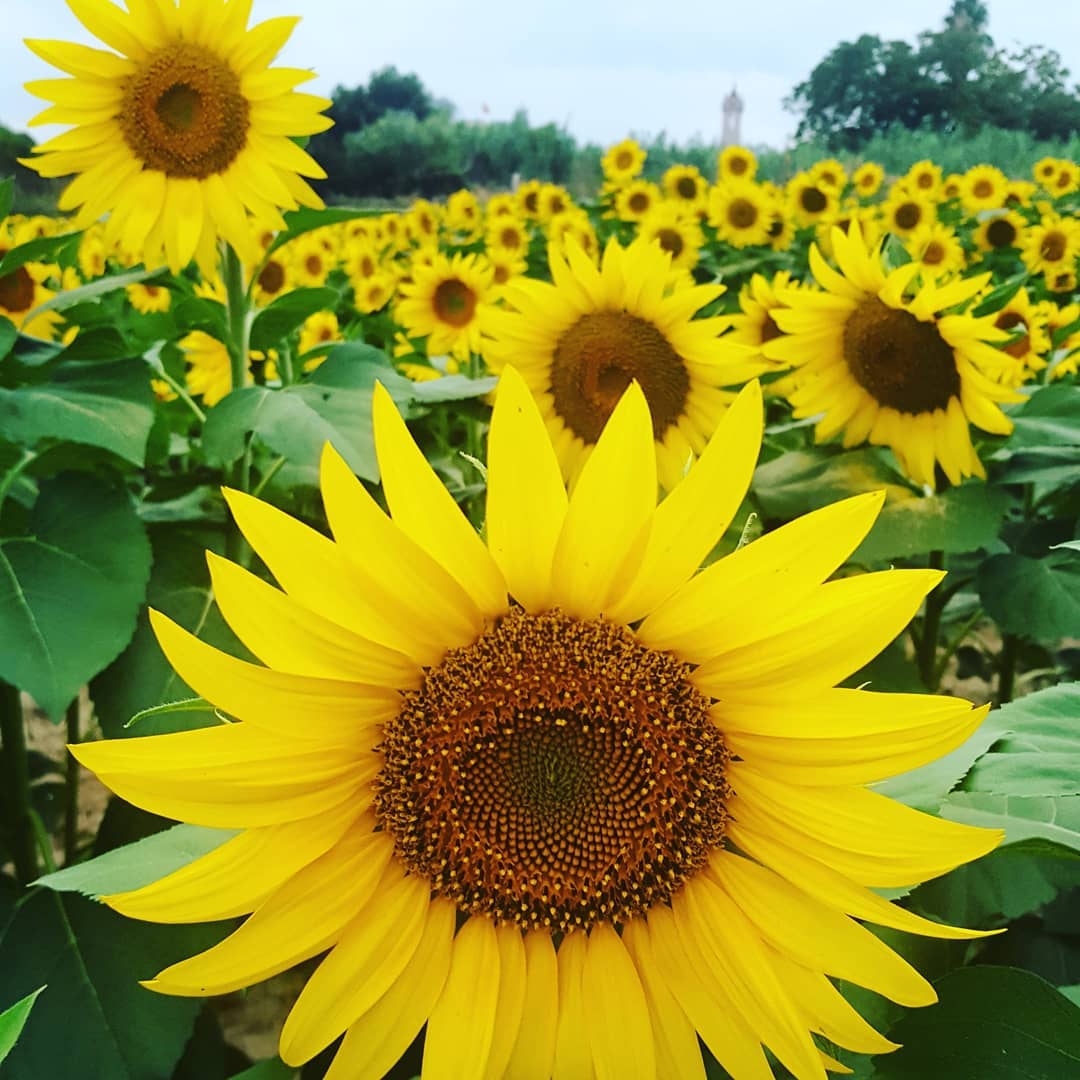
Sunflowers InbarAsif

(Photo: Inbar Asif)


‘Tis the season for

Reason.

Time for soul to be

Bold.

Time to oust stale perceptions

And to justice

Uphold.

‘Tis the season for

Reason.

To let true heart

Take root

And dishonesty

Doom,

So the summers of

Tomorrow

May

Sing sunflowers to

Bloom.


For the dVerse quadrille poetry challenge: Season