Allegiance

Photo: Sue Vincent


They called her Allegiance.

Contract and insurance, she was. Revered and guarded, both.

So well revered and so well guarded, in fact, that with time she became almost forgotten and had turned more a symbol than a soul. She sometimes wondered if she was in that way not too dissimilar to many of her kind through time, even if they had been so for far shorter spans.

Women often were made ornamental. Used as symbolic pawns, utilized as cementers of allegiances, then blamed for those that broke.

It helped her feel less lonely, knowing that even in her immortal isolation she was still in some way a member of a community of others who’d been perched into positions, as she was, without much of a choice. Possessions and producers, keepers of the continuity of power, serfdom and thrones.

They called her Allegiance.

And she sat in her fortified tower, aware of the two rows of guards: One row looking out against any who may get it in their minds to sabotage, the other row looking in against any indication that she may get it in hers to leave.

They needn’t have worried. At least not about her.

There was enough of misery without adding heads to spikes in any kind of rebellion, where those most likely to be harmed were those least likely to have been given part in the decision.

She accepted her place. A figurehead to keep the heads of others firmly on their shoulders and their children’s hearts safer from the sorrows of orphanage and war.

So she stayed.

As centuries passed, those who’d placed her there took less care with guarding her and the promises she’d represented. The tower crumbled. The guards played cards and drank and slept and grew lazy, and she took comfort in knowing that at least this meant they weren’t in battle. Even if she shivered, windowless, her walls crumbling all around.

Perhaps, she thought, as winds whistled and the stories of her had become lore printed onto metal plaques for tourists to ignore, it was all as it should be.

Perhaps one day there will not be a need.

Perhaps one day allegiances will be built-in, rather than built-up and set with guarded fences that time and lassitude and apathy were certain to erode.

Till then, Allegiance waited.

For the moment, the ruins of her tower stood.


For Sue Vincent’s WritePhoto


Embers Hot As Coals

Photo prompt: Sue Vincent


She could feel them.

That’s why she came.

Why she took every opportunity she could to escape the drudgery of sewing and hoeing and weeding and feeding and washing and threshing and mending and tending and all the multitudes of tasks that never seemed to end and somehow only multiplied.

“It’s life,” her mother had sighed, when as a young child Mayra had burst into tears of fatigue and frustration when yet another basket of wash needed to be scrubbed. “We rise, we work, we eat, we sleep.”

Mayra, a dutiful daughter, had just nodded and sniffed and bent to her work. But inside her a restlessness rippled. She was expected to grow up to be like her mother: solid and stolid and capable. The capable part she was on path to mastering, if painfully slowly. But solid she wasn’t, in her wispy willowy frame, and stolid she could not be, when her feelings and thoughts bubbled in her mind like an ever boiling pot that used embers as if they were coals.

She would boil over. She would.

If she didn’t manage to find a chore that allowed her to put some distance between herself and the village and to reconnect with the souls amidst the stones.

They calmed her. They reached around her with fingers as wispy as her hair and plucked the edges of too-sharp words and smoothed rough irritation off of her being.

Most people avoided the stones. “They are haunted,” they whispered, as if that was a bad thing.

Mayra said nothing. Perhaps it was something in her that needed ghosts to sooth the places that she felt would otherwise burst and cause harm. Perhaps her difference drew her to what others knew to keep away from.

Still she came.

In secret. To avoid blame.

It was only when she was about to wed that she realized it had been her mother who’d conjured errands out of thin air for her, so the child could manage some relief.

“For some, this is life, too,” her mother smiled.

It was a rare transformation of the face that often showed so little beside focus on the thing at hand, and suddenly Mayra saw the girl her mother had been, reflected in the sky-hued eyes.

“You, too?” Mayra whispered.

Her mother’s eyes twinkled. The berries. The mushrooms. The bark. The herbs. The kindling that could not wait till the morrow to collect. All those times when her own pot was set to almost overflow atop life’s embers, hot as coals.

“I did, and I do. It is our grandmothers there, helping you.”


For Sue Vincent’s Write Photo challenge


Ethera

The Offering: painting and photo © Sue Vincent at scvincent.com

Photo prompt: Sue Vincent


She was Ethera, and she came at the peak of the longest night, on the cusp of the broadening daylight.

She was Ethera. A human. A spirit. A soul. Sometimes one. Often all.

She’d lived among them, flesh and blood and hope and heartache. She’d hungered and shivered and grew and raised and danced and cried and plowed. There had been nothing in her that foretold what she’d become once she passed the veil to the realm of Nether. Where summer did not come and winter did not grip the land and where the prayers of people held substance, unlike bodies, which did not.

She was Ethera. Unseen by most. Perceived by some. Hoped for by many. Feared by almost everyone.

Feared though she’d rarely brought on harm that wasn’t already in the making. Feared though she heralded truth, which for a reason she hadn’t been able to fathom, so many fought against.

She passed like air. Like wind. Like the willow whispering a breeze into one’s ear come silent night.

She was Ethera. And she came bearing gifts: Of scented fields. Of sunlit glens. Of fruit blushing ripe atop the trees. Of roots awaiting the fattening of rain. Of undulating earthworms sliding through the layers of the dirt to aerate the unseen.

As she could, too, pass between the layers of being.

She was Ethera. Some thought her fog. Some thought her ghost. Some knew her as the mist that rose to hold the moments yet to come and the droplets of the feelings those would bring.

She came at the deepest hollow of the longest night, and in her palms she held a bowl of alms, collected by the people’s dreams to appease the frost and sing the morning in.


For Sue Vincent’s Write Photo Challenge


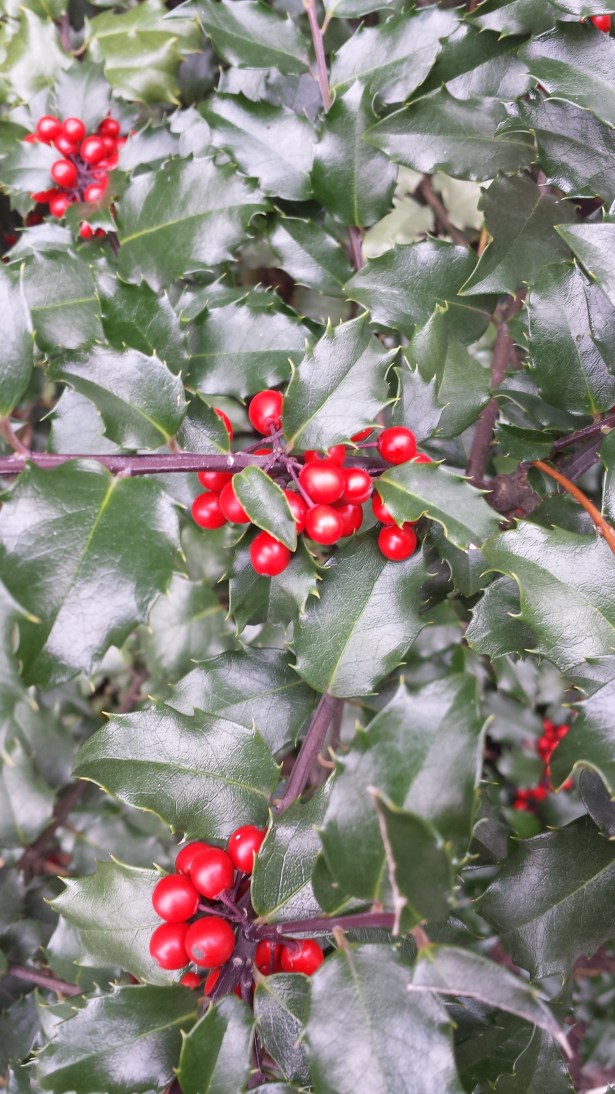
Oh, The Mistletoe

Mistletoe NaamaYehuda

Photo: Na’ama Yehuda


Oh, there’s the mistletoe,

The berries

Over green.

The holidays

In olden faiths

Remembered,

Veiled, still seen.

Oh, in the mistletoe,

The Druid,

Norse,

The Greek,

For strength of

Loins,

And sacrifice

For friendship, love

And peace.

Oh, in the mistletoe

A medicine

A kiss.

May it bring

Your heart

Only the best

Of all of

This.


For the Tuesday Photo Challenge: Holidays


No Time

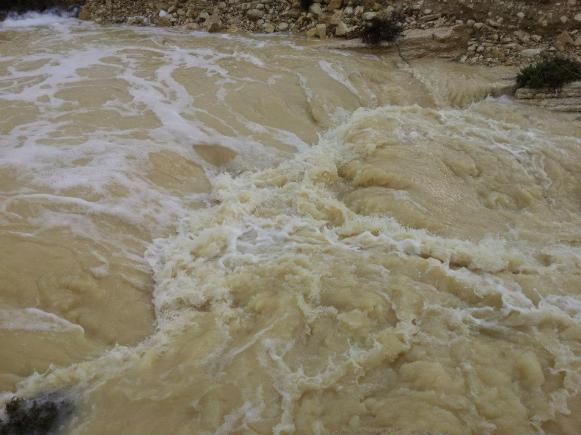
flash flood OfirAsif

Photo: Ofir Asif


She ran into the camp,

Braids streaming behind like ribbons

In wind,

Determined to be

Unbound

For a time.

The women raised their heads,

Weary from tending to

Crops and overtired babies.

This time of year was plentiful in many things but

Not in time.

“What is it, child,” her elder asked,

The rhythm of rocking the cradles of milk

And infant

Adding a lilt to her aged voice,

Raspy from smoky fires and chaff

Of time.

“Help,” the young one breathed,

And stalled,

Needy of air and flooded by sudden doubt.

“Speak up, child,” her mother snapped,

Tight with worry for a girl-child

Chased home,

And the shadows

of another time.

The camp stilled.

A baby woke in cry.

“Come help,” the lass repeated, indignant,

No longer shy.

“The creek rises and a cow is screaming

Across the arroyo.

We have no time!”


For the dVerse prosery challenge


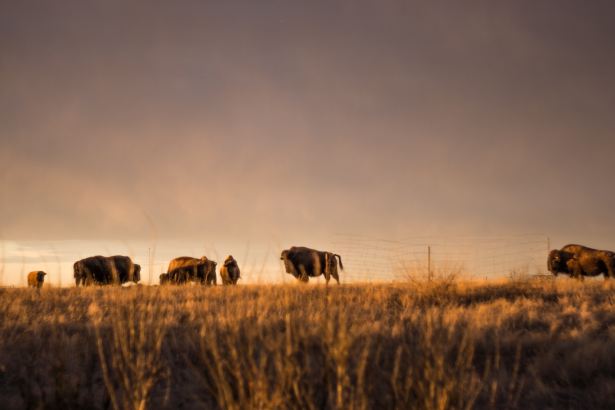
The Farm

weston-mackinnon-nl4t7NlIurc-unsplash

Photo: Weston MacKinnon on Unsplash; Saskatchewan, Canada


“Look Papa!” the boy’s voice rose in excitement.

“I see,” the man replied. His deep voice resonated in the small space.

“You didn’t even move your head,” the young eyes narrowed in suspicion.

“I did not need to.”

The child exhaled and shook his head and the movement reminded the man of a yearling. Impatiently straining at the edge of youth, eager to race headlong into life.

The man eased the pressure on the pedal and moved his foot to the other, stopping the car.

“I am looking now,” he smiled. “Thank you, Son.”

The boy’s eyebrows rose but he asked nothing. They watched the buffalo together, the sun and field and beasts a golden-brown.

“Is this their farm?” the boy finally asked.

“It is their home,” the man replied. “The farm came to live on it.”

The boy nodded, his ancestors evident in his soulful eyes. “They are like us.”


For What Pegman Saw


One Down

Photo: #CCC56


It wished it could put its wings down.

For once.

Or rather, once again.

It was convinced that the only thing worse than being placed under a spell was being placed under a spell while one’s appendages were … well … spread-eagled.

Sure, the effect of petrifaction was dramatic. Everyone liked a good statue. What everyone conveniently forgot (for any educated person would have read about Narnia) was that most statues that appeared life-like were actually … petrified.

In every sense of the word.

You try holding your pee for that long. And let’s not even talk about kidney stones.

Or eggs.

Or last year’s meal, still lodged.

And yet, it was the perpetual taking off that rankled more than anything. The anticipatory knots in the back of the shoulders. The wind’s lift that refused to take hold.

It was a relief when the earthquake broke a wing.

One down. One to go.


For Crispina’s CCC challenge 56


Upending

libby-penner-T6hnY1p4q3I-unsplash

Brugge, Belgium (Photo: Libby Penner on Unsplash)


Some call this city “Venice of the North,” but they don’t know the other direction this town goes, and it is not one of the winds.

I know, because I’ve seen it.

Seen what lies beneath the streets, glazed over by blind eyes of tourists snapping photos, dismissed by those who should know better yet still refuse to view.

For the ones beneath need acknowledgement to manifest. Not trust, recognition.

I know, because I don’t trust them. Not one bit. And yet they are there, plain as anything: The Upenders.

They’ve been here before people, and they expect you pay respects. Their mirage is reflected in the still waters of the canals, and when you let yourself go below the floor, beyond the basement, they’ll reveal themselves. If you won’t visit, beware. For when you least expect, they’ll rise to flip yours over, resentful of a willful ignorance of Upending.


For What Pegman Saw: Belgium


Land Of Water

joshua-gobin-1TnaUrrcm88-unsplash

Photo: Guyana, by Joshua Gobin on Unsplash


“Have we always been here?”

“‘Always’ is a long-winded word,” Papa’s melodic voice told me a story was coming. “Some people lived here before our ancestors. Some had come after we’d already been here. The land and the water were here before any humans had come. The word ‘always’ does not mean one thing.”

“Moses said we’re not from here. That we were brought here as slaves.”

“Are you a slave?”

“No, Papa.”

“Are you here?”

“Yes, Papa.”

“You and I are Guyana born. Have you worked this land, swam in the Essequibo, witnessed Kiaeteur Falls, walked the savanna, ate manioc?”

“I have.”

“So you have your answer, Son. We’re all children of land and water. All born of wombs filled with water, all depend on water, and will one day become rain and go over the falls. Your ancestors got here. You’re here. Where else would you be from?”


For What Pegman Saw: Guyana, South America