Being sensitive: A blessing or a curse?


In her great blog Adele and the Penguin, Adele Ryan McDowell posts about all manner of lovelies (well worth peeking in!). Her recent post is about sensitivity, about those of us who may be labeled “too sensitive” or “highly sensitive people.”

Adele and the Penguin

http://adeleandthepenguin.com/is-being-sensitive-a-blessing-or-a-curse/

Reading it made me think–and not for the first time (Adele’s blog posts do that–they touch the everyday in novel and eye-opening and heart-opening ways).


The highly-sensitive people thing? Yep. I can totally relate …

So can many of my little clients.

Personally I don’t see being sensitive as a bad thing. Like any quality, I think the ability itself is neutral. It is how we react to it, what we do with it, how it affects our lives, and whether it adds or detracts from the person we are and can become, that is the most important aspect of it to me.

There seems to be more good than bad in sensitivity. Creative people are often sensitive. Artists, writers, thinkers, inventors. I certainly see more positive than negative in the more sensitive children who come to see me. They perceive the world minutely, they read people amazingly well (even if they don’t always know how to verbalize it), they feel deeply.

They are also, all too often, overwhelmed. There is too much, everything, everywhere, from everyone. In reaction, they snail in, lash out, fidget, shut down, alternate being acutely perceptive and deeply numbed out. They can have spectacular tantrums, meltdowns for seemingly nonsensical slights, go from happy to weepy in a blink of an eye. They get all kinds of acronym diagnoses, sometimes rightfully, often not … They can walk through the days feeling raw, exposed, vulnerable, tender, empathetic, perceptive, disorganized and evocative.

Emotional regulation is a must for all children to learn. Without ability to do so and find a place of calm attention–they will struggle at school, in public, in getting along. All caregivers of children are tasked with the teaching and modeling of emotional regulation to the children in their lives. It is even more crucial for highly-sensitive children … who can tax even the most patient caregiver. The sensitive children need more help, much more help, to learn to regulate, to know when they need to take a break, to recognize the beginning of overwhelm and be able to apply a tool for grounding.

They need more time. To play. To rest. To think. To cuddle. To get bored. To dream. To get used to new things. To gather their courage to try. It is a luxury of time all too many of them do not get these days, in our modern world that does not make it easy to be sensitive.

Our world–and within it the education system and children’s schedules–is currently calibrated for very low sensitivity: there is information everywhere and increased pace galore. Blinking screens, beeping car horns and phone messages, jingles of all manners, multi-sensory bombardment, loud, fast, multitasking everywhere. There is stimulation all the time. Every. Where.

Wake up and rush to school, bend over homework in the car to complete what didn’t get done the night before because there was a birthday party and soccer practice. After a long day at school in a class of 30 and no recess or playground because it rained and a two hour assembly in a noisy auditorium followed by lunch in an equally ruckus lunchroom, grab your bag and gobble down dinner on the way from dance to chess before you go home and try to do homework with the TV in the background, someone angry with tech-support on the phone, the vacuum and the dishwasher rumbling along. Get a math problem wrong and dissolve in tears onto a kicking puddle of misery on the floor. It is not the math problem. It is the everything and that little bump of difficulty simply toppled tolerance. Everyday stuff mushrooming to a thunderstorm.

Sometimes I think that sensitive people may be better calibrated for slower life … for long walks from place to place, bigger nature around them, more connection with animals (and their highly regulating energies), more connection to the earth and its calming breath.

It is not how most children grow up anymore, and it is not about going back to lack of modernity (there’s much to be said for running water, electricity, and even the Internet …). However, it is about helping children–especially sensitive children–learn how to stop, pause, breathe, step away, maintain boundaries.

All children need that. Sensitive children need it even more. Their drama-streak, their tantrums, their meltdowns, their whining, begging, shutting-down are all their ways of communicating to us that they need our help to manage. That they are feeling raw and need a hug, a pause, a hand.

What to do?

First what not to do … It is not about ‘helping them grow thick skin’ or expecting them to ‘suck it up’ or ‘toughen up.’ Shame has yet to heal any sensitivity. Expecting one to be what they are not will not resolve anything other than create a distance and thicker pain, not skin.

What does work?

Try to keep things simple. Establish routines and try to maintain them reasonably consistent (we’re not talking OCD here, just predictability). Make time for quiet. At the very least relegate a certain space in the house that is off-screens: a place to read, do homework, dream. Be aware of competition–of stimuli, that is–if there is much background noise you cannot control, consider noise-canceling earphones for the child to wear when they need to concentrate. Keep it comfortable: temperature and clothing, yes, but also tone of voice and your own emotional regulation. Sensitive kids pick up on your state of mind and internalize it. It filters in. It gets under their skin. They are too young to manage your adult feelings for you … and they already have plenty of their own. Keep it soothing: quiet cuddling, snuggling together with a book or a few precious moments at the end of day, offer comfort when they are distraught. Let them know you see them, hear them, feel for their discomfort. It is real.

Sensitivity is like a fragile gift. It is precious, it is beautiful, it can light up the room and make for excellent potential. It is also delicate and needs some special care. It calls for careful holding in times of transition. It needs a very safe space, for sure.

Have no worries, if you treat your child’s sensitivity (and yours, if you need to) with care and … yes, sensitivity … you will not spoil them. To the contrary, you will teach them how to control and modulate their hyper-acute-perceptions. They will learn from your attuned care how to keep aware without drowning in information, how to keep empathetic without taking on other people’s needs, how to keep their senses vibrating brilliantly without becoming blinded or overwrought. They will learn from you to take time to breathe, to pause, to consider. They will recognize their own cues and clues and find ways to respond to them healthily.

They will blossom like the rare delicate beings that they are. Come fully wonderfully into their own. Sensitivity seen, understood, utilized, known.

delicate2


Hold your ground …

no wounding

These days, with much strife in the world and overmuch rhetoric of fear and hatred, it can seem easy to feel pulled to lash out, to “get it through the thick skulls” of those who are supposedly different/less-than/not-as-right. It may seem justifiable to use violence: emotional, verbal, physical, sexual, religious, political. It may seem like “this is the only language these people (insert different/less-than/not-as-right populace here) understand.”

Frustration breeds anger. Helplessness breeds desperate acts. Rage breeds blindness.

Let us not wound others in attempts to heal/correct/make-right/avenge/justify.

Hold your ground for kindness.

There is plenty pain in this world without adding to it. More wounded people will not a healing make. There is plenty drama without conjuring more of it. More despairing people will not hope bring.

Hold your ground for care.

May there be a path to true-heart-reason. Not to ‘fairness’ maybe, but to humanity. Not to ‘justice’ maybe, but to compassion. Not to ‘paying back’ but to gaining calm. Not to ‘avenging’, but to taking a step toward finding a common ground. One we can all hold on to … a healing span.

May there be less wounding. Wounds already borne will not heal faster if more are inflicted. There will be no less rage if ire remains amplified. Fires will not be put out by constant dose of fear or hate or it-is-their-fault-that-I-have-to-do-it. No more. Alienation. No more. Harm.

Let us all, hold our ground. In open hearts. In listening. In understanding. It is past time.

Whatever fights you are pulled to become embroiled in–personal, communal, religious, political, national, global–may you keep your feet firmly rooted in empathy. May the seedlings of care grow strong and fine. May we patch up the hurts to foster quickest healing, and may we carry hope and light, for they are the menders of all hearts.


bandaid pup


Mean Math …


math

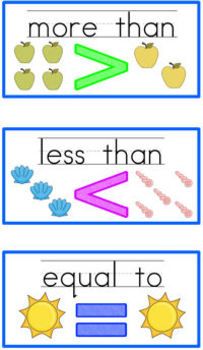
“If I have four and you give me more than I have more.”

This axiomatic truth came from the mouth of a bright preschooler. His speech is difficult to understand, but his ideas are crystal.

He asked me, the other day, about math. More like, told me. Checked to see I understand …

Math, but also some other things.

“If I get angry and then my mommy gets angry than we have a lot more angry.”

Yes. That’s true.

“I don’t like it when we have more angry.”

I totally understood that, and told him that I didn’t like ‘having more angry’ either.

“It is lots more better when we have giggles. I love giggles.”

So do I.

He was quiet a moment, then asked me about the news he’d heard. Children often pick up more than you give them credit for, and understand more than you would like to think they have internalized.

“A lot of people are angry and crying on TV,” he said. He was referring to the news of three teens who were kidnapped and murdered by Hamas terrorists in Israel. The teenagers’ bodies were found that day, and his parents were aghast and upset with the realities in the Palestinian territories, terror, hate, and rage. They discussed the news among themselves, along with their reactions and thoughts. He saw and heard reactions of others, perceived the agony of desperate angst, the fumes of hate. I’ve seen it, too. It is difficult, difficult stuff.

“Yes,” I responded. “They are.”

“Are more people going to be mean?” he worried. “I don’t like it when more people want to be mean.”

Oh, how I agree, dear boy, neither do I.

He wasn’t quite done. How could he be? These are big issues, even for grownups, let alone little ones. He pressed on: “If more people are going to be mean then it is going to be even more mean and more mean.”

“I understand.”

I think I sighed. He looked at me a bit quizzically, adorable in his earnestness. I smiled at him and asked, “do you have suggestions about what people can do?”

“I don’t know,” he said after a thought. “Maybe a ‘safe tantrum’?” (in his house, this is the term used for when someone–usually him…–gets very angry. They can’t hurt themselves o others but they can punch a boxing bag and shout a little and jump and jump …).

I nodded. Safe tantrums would be a good, in fact a very good alternative.

“But,” he interjected, “even if they still feel mean I think maybe they need to learn to use their words.”


From the mouth of babes, Little Teacher. Simplified reality yet no less wise. In all war, terror, conflict, violence–may all find room for less hatred, more reason, some space, more safety, less meanness … more peace … in their hearts.


the problem with hate


What Would You Do If …? Children’s Safety Plans.

safety

The mother of one of the children I work with called to let me know they’d would have to cancel their session for the week. There were some unexpected problems and she had no arrangement for the older child. Her youngest, whom I see in Speech Therapy, has several developmental issues, and the mother–a single parent–shuttles him for several remedial therapies every week. She sounded anxious and wrung out, so I asked her if she wanted to tell me more about what was going on.

“My older son had a bad experience with someone,” she sighed.

“What kind?”

“He usually stays with my mom when I take Mick* to therapies, but my mom’s away for a couple of months to take care of her sister who is having heart surgery. I found a sitter for him, but the sitter can’t come to my house, so I take him there and pick him up on the way home. Everything has been fine the first two weeks and Dan loved going …”

“But?”

“He was really upset when I picked him up yesterday. Said he never wanted to go back …” The mom sounded quite upset herself.

“Did he tell you why?”

“He said he didn’t like being there anymore. You know where my mind went … I was thinking the worst … but I didn’t want to put words in his mouth, so I tried to breathe and told him I respected his feelings and that we’ll figure out what to do, but it would help me to know what about being there he didn’t like … At first he just shrugged and looked down and such. Then he told me someone had come to visit the babysitter and brought a ‘really big scary dog who jumped.’ He got scared but the babysitter laughed it off and called him a baby and kept egging him on to pet the dog, ‘not be so yellow’ and not ’embarrass himself’ … and kept sending the dog toward him. Dan wanted to go home but he ‘knew I wasn’t there’ because I was in PT with Mick and he didn’t know what to do … I’m relieved nothing worse happened … but I feel awful he was scared and I wasn’t there. When I called the sitter, he was dismissive and said ‘it was just a dog and it wouldn’t hurt for the dude to toughen up some’. I won’t send him there again!”

We rescheduled for when she could bring both children, at least until she found another option.

“It was good you listened and took him seriously,” I tried to reassure her. “You can’t always protect kids from having an uncomfortable experience, but you can give them the power to reach out and have you help make sure it doesn’t go on. He told you something changed, and you’re taking steps to keep him safe. He did well for telling you, and you did well by not pooh-poohing his worries. In fact,” I added, “this is probably a good opportunity to speak with both kids about things they CAN do if they ever feel uncomfortable or need help. Just like adults, kids feel more secure if they know there’s a plan.”

red phone

Many adults have some form of emergency plan. We know what we’ll do if there’s a fire. We know what to do if someone ails. We have an idea of who can help if we’re feeling scared or intruded upon. We have phones and know how to use them. We have friends and family we can call on, we understand ‘gut-feelings’ and know that danger requires a response.

While children don’t need to figure out their own safety plans, it can be very helpful for them to have some tools and to have rehearsed certain scenarios during times of calm.

It is why schools have fire drills. It is why you should have one in your house–in day time as well as during dark. Make it fun, but keep it serious: it can save lives to know what way one is expected to go, what the alarms sound like, who to look for, where to convene, what exit to use, how to make it to the door with your eyes closed (think: dark and smoke and a blaring alarm …).

It is why children need to know to call 911 (and that it’s not a toy or something to ‘experiment on’). Why it helps to teach children to ask for help from people in uniform and/or from mothers with children (while most strangers are probably safe, uniformed people are often ‘in official capacity to help’ and mothers with children can often feel less intimidating and know how to respond age-appropriately to a child in distress).

Children as young as three can memorize their first and last name, as well as their parents’ names, what they do, and where they work. They can memorize their address (make it into a song …). Four-year-old can memorize a phone number. At five they can practice writing it from memory.

In addition to immediate safety, children should also be taught what to do ‘in case’: what if they find themselves separated from you in a mall or public gathering? What if they’re someplace else (with a baby-sitter, school, a birthday party or sleepover) and feel something is wrong? What can they do if they don’t feel safe?

Children should know they can always reach out to you, and need not worry about hurting the feelings of the adult they are with (you’d be surprised how often children don’t call a parent because they worry they might upset the adult they’re with). They need to know you will not be angry with them if they tell you they’re uncomfortable or scared. They need to know you’ll find a way to make it better–it may not be possible for you to fly in from another State in the middle of the night, but you might be able to speak with someone where the child is, or to otherwise assess whether more extreme measures are required–children shouldn’t feel they have to figure it out on their own if things feel too much to manage.

Teach children what to do if they need help and cannot reach you. Who else can they call? A good friend of the family? Another family member? A classmate’s parent?

Teach them when it is a good idea to call 911: If there’s a fire (even if they’d caused it), if they think something really bad is happening; if they or someone else is being hurt or might get hurt real soon if someone doesn’t come to help; if someone (especially an adult, but also if the adult in charge seems unable to manage the situation) is out of control or inappropriate; if the person in charge ‘acts weird or scary’ (children may not know to identify drunk or drugged, but often do pick up on something that’s not as it should be).

fireman with boy

Reassure children they shouldn’t get in the car with anyone they don’t feel safe riding with, who breaks the rules or is being tricky or secretive. It doesn’t have to be a stranger. You don’t have to explain drunk or drugged to very young children (though it might not be a bad idea to bring up the issue with older elementary school children), but you can give the child a sense of control for when they feel unsafe and ill at ease. I know a child (age 9) who refused to get in the carpool because the adult had texted while driving and had her eyes off the road for what felt like very long. That child’s mother had discussed safety with her, so she was able to say to the driver: “My mom doesn’t let me ride in cars where someone is texting. Please put the phone away until we get there.” When the driver refused, the child asked to call her mom.

Many parents are afraid to discuss problematic situations with their children. They think about sexual offenders, they worry about making their child feel unsafe in the world.

In reality, discussing safety skills is just as important as teaching children how to cross the street, how to wait for the light to change, how to use (and not use) tools and sharp objects, what to touch (and not). Preparing your children to manage unexpected situations is just as important. It gives them skills to be less helpless. Role play and practice these at home. Let them know it is okay to reach out and that you’ll figure out how to help … Reassure them they should tell you if they think they’d done something wrong … even if they worry you’d be mad: That you’d like to know and would help and love them anyhow.

As for the little boy: his mother had a good discussion with him (and his younger brother), and together they’d made some plans.

They talked about ‘listening to tummy messages’ (intuition) which let them know something was not okay. They talked about things they could do: Call mommy or grandma, call Auntie Nell (who lived nearby and was willing to be standby help), call 911 if they were really afraid or needed someone to come right away.  They talked about how it was okay to tell about things that didn’t feel right, and that they didn’t need to keep secrets they didn’t want to keep. That their bodies were theirs, and so were their feelings. That being scared is not bring a crybaby and they didn’t need to touch, go, see, try, say things they felt weren’t okay, went against the rules in their house, or felt ‘not right.’

And the little guy?

He learned his mother was there for him. That it was okay to let her know how he felt and he didn’t have to protect her or worry or figure out things on his own. That he was just as important to take care of as his younger brother. That he could listen to his gut. That it wasn’t okay for anyone to put him down or make him feel ashamed to tell. And … that the world can at times be uncomfortable but he did not have to manage it alone and knew what to do if he felt he needed help.

Do your children know what to do if something happens? If a caregiver doesn’t show up to pick them up? If they find themselves alone someplace? If they feel intruded upon? If they are told confusing things? If they are asked to break rules they don’t think should be broken? Do they know who they can call on if you’re not around?

Make a plan. Today is a good time!

action plan

*names changed to protect confidentiality

A Father’s Day Quest

hand in hand

“Everyone has a father, right?”

The question came from a little boy. Age 7. A usually cheerful child. Subdued this time.

“What do you think?” (my standard response to children’s queries, figuring they have a working hypothesis already)

“I guess. Sort of. But not exactly.”

“Hmm … want to say more about it?”

Fidget, spin a top, twirl it, drop it, lean precariously out of the chair to get it, spin again. “I think you need one. To get born.”

“Yes, that’s generally true.” I pause. I sense there’s more.

“But I think you also need one to grow up better. Kind of. I’m not sure. Only if you have a good dad, though.”

“That makes sense.”

He looks up at me, tolerant of my very vague responses. I am certainly capable of being more verbose, and he knows it. However, my sense is that he is seeking an audience to bounce ideas off of, more than he wants my actual input. At least now.

He plays with the top another minute. Tries spinning it on the handle, upside down. It falls. He frowns. “I don’t like Father’s Day.”

“I hear you. I understand. It is a great day for many but it can also be a tough day for some. Can be confusing, too.”

He nods. “Yeah …”

Fidget, spin the top, drop it, pick it up. “My mom says that my dad is the kind of person people warn their kids about.”

I know … My heart breaks for him. It should not be reality for anyone.

“I’m so so sorry.”

Words don’t quite suffice, and yet I hope he feels it comes from true compassion, that he hears I get it (even if he doesn’t need to know how well I understand).

The father lost custody because of “serious issues” that led to the mother’s sole custody for “the child’s safety.” The boy’s dad spent time–or still may be–in jail. Something to do with child pornography. The mother got custody when the boy was still an infant and he doesn’t remember his dad. The mother reassures me that the boy had been “protected all along.” A warm and caring mother, she works hard to not vilify the boy’s father even as she tries to ensure he understands enough about why he does not see his dad and most of all that it does not have to do with him not being worthy of a father’s love.

He is a happy child overall, but not without a loss. Father’s Day can be tough.

He twirls the ornate wooden top between his fingers. “Sometimes I wish I had a better dad.” His voice is matter of fact.

“I know. I wish you did, too.”

“My mom says there are many kinds of father people. That they don’t even have to be your real dad to be a little like a dad.”

I love that mom! “She’s very right. I agree with that.”

His nod is reassured. He brightens some.

“My uncle is a little bit like my dad.” His mother’s younger brother. I’ve heard the boy wax poetic about this uncle before: He idolizes the man. His eyes light up.

“He’s already in my family, right? So maybe this makes him even more like he could be sort of my dad. I mean, not really really, but in my heart …”


You betcha’, little man.

Your heart is an excellent place to collect fathering. You deserve a dad as fully as anyone!

father and child


On this Father’s day:

To you who are plentifully fathered–may it be a Father’s Day to celebrate the gift of love. The miracle of true parenthood.

And to you who seek a father. Who lost theirs. Whose fathers lost their way or lost their lives or lost their soul–may you know a sense of fathering regardless. May you recognize its quality and accept its salve into your lives. Be someone’s prince or princess. May you find the fatherhood that grows within you: the knowledge of strength, the acknowledgement of protection, of strong arms, stronger heart.


lion and cub1

Mamma’s mistake

bubble happy

A six-year-old adopted child:

“My first Mamma said I was a mistake, but you see, she made a mistake. I’m not a mistake. Her mistake was that she didn’t know how to love me. I feel sad that she wasn’t very good with love.”


I am humbled.

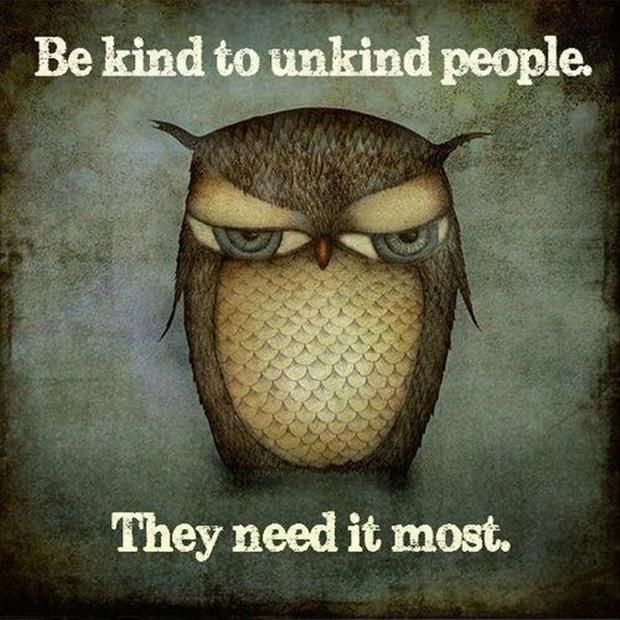
be kind to unkind people


Keeping Children Safe–a how to resource!

talking to children about abuse

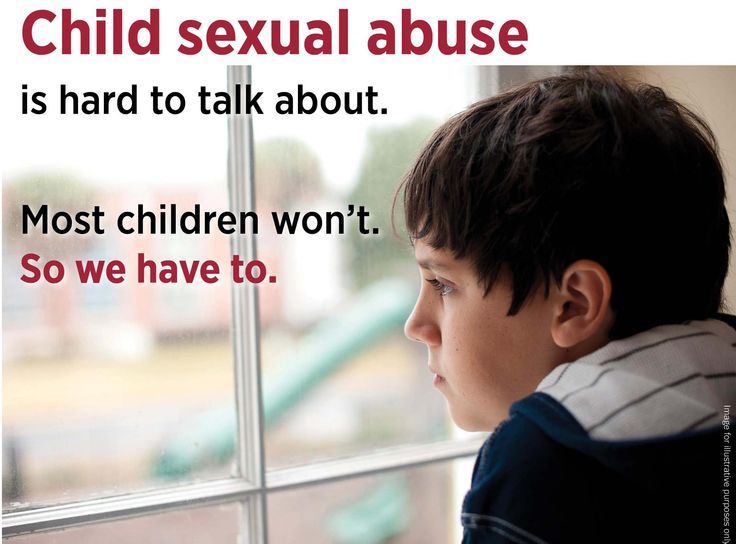
When it comes to keeping children safe from sexual abuse, many parents are baffled as to what to do. They don’t want to scare their children or give them ideas about the world being unsafe, and at the same time worry that lack of safety skills may place their children in danger of being exploited.

Parents don’t know when to start, how to bring the topic up, what to say (and what not to say). Many prefer to not bring up the issue at all, or focus only on ‘stranger-danger’–even though 90% of child sexual abuse happens in the hands of people familiar to the child (and upward of 75% by caregivers). It is difficult to conceive that children can be harmed this way. No one wants to believe that people they may know could be unsafe. We want to believe we can keep them safe from everything and everyone. Always. Moreover, the whole issue can bring up painful memories in those who pushed away their own experience of inappropriate touch.

Embarrassment, too, often complicates caregivers’ discourse about sexual abuse, as does worry about questions that one may not know how to respond to or that would raise issues of immodesty.

Even among those parents and caregivers who do discuss safety and sexual-abuse prevention, many don’t realize that keeping children safe goes beyond a one-time ‘talk’ about the topic.

Fortunately, there are resources like the one below, which do an excellent job introducing the issue of safety and body boundaries in children, from infancy through to adolescence. It is a very good place to start!

If you are a parent or a caregiver–read it. It may give you information or suggestions you did not think of before. If you are not a direct caregiver–share this with others who are. They will thank you. More importantly, the children would be safer.

http://www.themamabeareffect.org/empowering-our-children.html

themamabeareffect

Of course, children’s safety extends well beyond sexual abuse prevention. Verbal and physical abuse, bullying, and neglect are other sad realities for all too many children. We all should be vigilant to notice, intervene, and seek help for any child at risk. Any risk. It is our responsibility as adults to do so.

This resource, and other educational and practical tools for improving child safety are only one step and target certain risks, but are still immensely important to read and incorporate. This offers a very good start. Following these recommendation can help.

The reality is that even with all the information and education possible, we may not be able to stop some things from happening once. However, with good information and open communication, we can at the very least teach our children what to listen to (and what not to listen to or believe), and we can reinforce clearly how they can come to us with any discomfort, concern, worry, or imposed secret. This can help can minimize the likelihood of the unwanted happening. Just as important if not more–by providing children with good, ongoing, open communication about their bodies, their right to safety and honoring their intuition–we can ensure that what might happen will not escalate and will not happen again. Because they’ll come to us. Because they’ll tell. Because we will make it stop.

Click. Read. Learn. Share.

http://www.themamabeareffect.org/empowering-our-children.html

CSA we have to talk about it

ADHD or Trauma?–The Likelihood for Mistaken Diagnosis

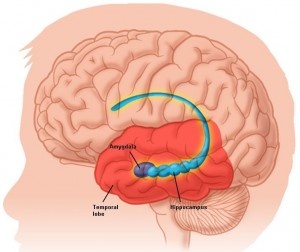
trauma brain

A new study shows that a child with an ADHD diagnosis is more likely to have also experienced stress and trauma early in life.

Clinicians working with traumatized children and adolescents have long noticed–and noted–that it was not unusual for children with trauma histories to be diagnosed (and possibly all too often misdiagnosed) with ADHD. 

What complicates the clinical picture is that a child can have ADHD and trauma history (or Autism and trauma history). In fact, children with ADHD and children with communication disorders are more likely to be maltreated than children without these issues.

As the article below states, and what is very important to take into account, is the need to rule out trauma as the cause–or contributor–to the child’s clinical presentation, rather than simply assume that a distracted, inattentive child has ADHD. Assessment needs to address the possibility of trauma, and intervention approaches must be adjusted accordingly. For example, medication for ADHD may not be appropriate for a child whose inattentiveness is due to hypervigilance. It is crucial to ensure that past trauma be treated and ongoing trauma be addressed, so that the child can let go of the coping skills adopted to manage overwhelm.


The article is copied below. You can also read it on the original webpage by clicking on the title below. For more information about trauma and development, click here.


News Analysis: Are We Misdiagnosing Childhood Traumas as ADHD?

Children with attention deficit hyperactivity disorder (ADHD) receive a diagnosis based on their behavior: age-inappropriate fidgeting, inattentiveness, hyperactivity, and trouble sitting still and concentrating. However, according to new research presented today at the Pediatric Academic Societies annual meeting in Vancouver, Canada, these behaviors may also be linked to childhood trauma.

A research team analyzed data about 65,680 children ages 6 to 17. (The data was taken from the 2011-2o12 National Survey of Children’s Health.) The children’s parents answered questions about whether their kids had been diagnosed with ADHD, how severe their symptoms were, and whether they were taking any ADHD medications. The parents also reported on whether the children had had any of nine adverse childhood experiences (ACEs): poverty, divorce, the death of a parent or guardian, domestic violence, neighborhood violence, substance abuse, incarceration, familial mental illness, or discrimination.

“Diagnoses of ADHD have increased over the last decade, and there has been a concomitant rise in stimulant medication use,” said Nicole Brown, an assistant professor of pediatrics at the Children’s Hospital at Montefiore and lead author of the study, in an interview with Healthline. “Many of my patients also experience trauma during childhood, which often exacerbates ADHD symptoms and poses diagnostic challenges with respect to teasing out whether their symptoms directly result from the trauma they experience.”

About 12 percent of the children who participated in the survey had been diagnosed with ADHD. Parents reported that these children had also experienced higher rates of all of types of ACEs than children without ADHD.

The children with ADHD were also more likely to have experienced a greater number of adverse events. Seventeen percent of children with ADHD had experienced four or more ACEs, as opposed to 6 percent of children without ADHD. The children who had dealt with four or more ACEs were almost three times are likely to be using an ADHD medication as children with three or fewer ACEs, and their parents rated their ADHD as being more severe.

ADHD and Trauma: The Chicken and the Egg

How is ADHD connected to stress and trauma? There could be a number of explanations.

First, it’s possible that doctors are simply mistaking the signs of trauma in children for ADHD. “What we find is that there is often an overlap in the symptoms of children who have ADHD and children who have experienced trauma, particularly small children,” said Alicia Lieberman, professor and vice chair for academic affairs at the University of California, San Francisco, Department of Psychiatry and the director of the Child Trauma Research Program at San Francisco General Hospital, in an interview with Healthline. “The inability to concentrate, the fidgetiness, the inability to pay attention, the distractibility, the restlessness, and the irritability are often behaviors that trigger a diagnosis of ADHD. And often, the people making the diagnosis do not ask what happened to the child, what kind of experiences the child has had.”

Brown agrees that this may explain her findings. “Studies have also shown that symptoms of post-traumatic stress disorder (PTSD) or acute stress disorder resulting from adverse life events closely resemble ADHD symptoms, so there is a high likelihood for clinicians to diagnose ADHD and overlook a possible trauma history,” she said.

Another explanation is that children with ADHD may be more likely to get into trouble and to experience traumatic events as a result. “Children with ADHD can become more impulsive, can be more annoying to parents that might be depleted, so children with ADHD might be at greater risk for being maltreated or getting into accidents, which might in turn trigger PTSD,” explained Lieberman.

Finally, researchers know that stress in the early life environment might affect the development of the brain. “It’s also possible that being exposed to a traumatic event increases the likelihood of developing psychiatric disorders that have a range of manifestations, including anxiety, post-traumatic stress disorder, and ADHD,” Lieberman said.

“When a child is presenting difficult behavior, the first thing to ask is ‘What happened to the child?’ rather than ‘What is wrong with the child?’”

Under this lens, ADHD is only one of many possible outcomes that can result from early-life trauma. And even then, ADHD might just be a sign of what’s to come. “We know that early life adversity produces developmental changes consistent with ADHD, but it produces many other effects as well,” explained Regina Sullivan, a professor of child and adolescent psychiatry at the New York University School of Medicine. “As a child is developing, and there’s a neurobehavioral deficit, how that is expressed changes during development. ADHD can sometimes be symptoms of neurobehavioral problems that will emerge later in development.”

Sullivan added, “Early life trauma and stress can interact with genetics to produce different disorders based on the age the trauma was experienced and the particular type of stress or trauma. Different-aged children, and children with different genetics, and children with different personalities, will respond differently to a given stress.”

Are We Medicalizing Stress?

Rising rates of ADHD diagnosis and medication use raise the question: are we turning normal levels of life stress into a medical condition? Lieberman points out that more than 60 percent of children report that they have been exposed to some kind of victimization in the previous year, and more than 10 percent have had five or more exposures. For many children, ACEs aren’t rare, they’re the norm.

And when kids are under stress, they’re more likely to act out. “When a child is presenting difficult behavior, the first thing to ask is ‘What happened to the child?’ rather than ‘What is wrong with the child?’” said Lieberman. “The recommendation that the authors of the study make about the importance of screening for trauma exposure in every child that is showing symptoms that can be associated with ADHD is extraordinarily important and timely.”

In these circumstances, medications probably aren’t the answer. “While stimulant medications may prove beneficial for some children, they may not be the most effective management strategy for all children,” said Brown. “Children with ADHD diagnoses who have experienced trauma may additionally benefit from specific behavioral interventions that are tailored to addressing their underlying trauma histories.”

However, Sullivan cautions against drawing too many conclusions about a child’s past from his or her diagnosis of ADHD. “Not all children with ADHD have had early life adversity,” she said. ADHD also isn’t necessarily a sign of other disorders to come. “Sometimes, when someone has ADHD, they maintain those ADHD symptoms throughout life, changing somewhat, but they still have the diagnosis of ADHD.”

It will be many years before the root causes of ADHD are fully understood. Until then, doctors must try to figure out which symptoms are caused by trauma, while also ensuring that children with ADHD get proper treatment for the disorder itself.

adhd